

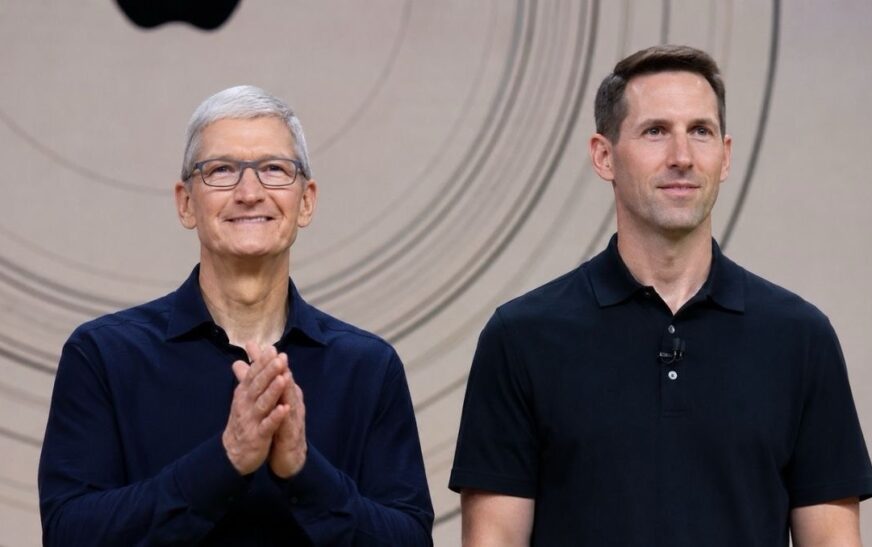
Tim Cook has officially stepped down as chief executive officer of Apple after 15 years at the helm, bringing an era of unprecedented growth and expansion to a close.
Cook’s final day as CEO was Monday, August 31, with John Ternus, Apple’s senior vice president of Hardware Engineering, formally taking over as chief executive on September 1. Cook will remain with the company as executive chairman of Apple’s board, allowing him to continue contributing to selected strategic matters while stepping away from day-to-day operations. Apple’s board unanimously approved the succession plan earlier this year following a long-term transition process.
Cook marked the end of his tenure with a message to the Apple community on X, thanking employees and users for their support and reflecting on what he described as the beginning of a new chapter.
The leadership change makes Ternus the first person to succeed Cook as Apple CEO and puts a hardware-focused executive in charge of the world’s most valuable technology companies at a time when artificial intelligence, new product categories and changing consumer expectations are reshaping the industry.
Tim Cook’s 15-year run that reshaped Apple
Cook became Apple CEO in August 2011, succeeding co-founder Steve Jobs. Before becoming CEO, he had joined Apple in 1998 as senior vice president for worldwide operations and played a major role in restructuring the company’s supply chain and operations.
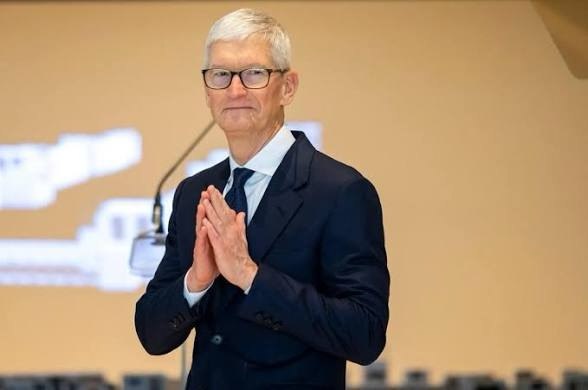
During his tenure, Apple expanded far beyond the iPhone and strengthened its position across hardware, software and services. Products including the Apple Watch, AirPods and Apple Vision Pro were introduced under Cook, while services such as Apple Pay, iCloud and Apple TV+ became increasingly important parts of the company’s business.
Apple also invested heavily in developing its own silicon, moving away from dependence on third-party processors in products such as the Mac. The transition to Apple-designed chips became one of the company’s most significant hardware strategies under Cook.
The company’s financial scale also increased dramatically during his leadership. Apple’s market value grew from roughly $350 billion when Cook became CEO to several trillion dollars, while annual revenue expanded substantially. Apple now has more than 2.5 billion active devices across its installed base, giving the company one of the largest technology ecosystems in the world.
Cook also placed greater emphasis on privacy, accessibility and environmental sustainability, making those issues a prominent part of Apple’s corporate identity.
Also Read:Apple’s iPhone 17 Series: Everything You Need to Know
“It has been the greatest privilege of my life to be the CEO of Apple and to have been trusted to lead such an extraordinary company,” Cook said when Apple announced the succession earlier this year.
John Ternus takes over at a critical moment
Ternus joins the Apple board and assumes the CEO position after more than two decades at the company. He joined Apple in 2001 and has spent much of his career overseeing hardware development, eventually becoming senior vice president of Hardware Engineering.
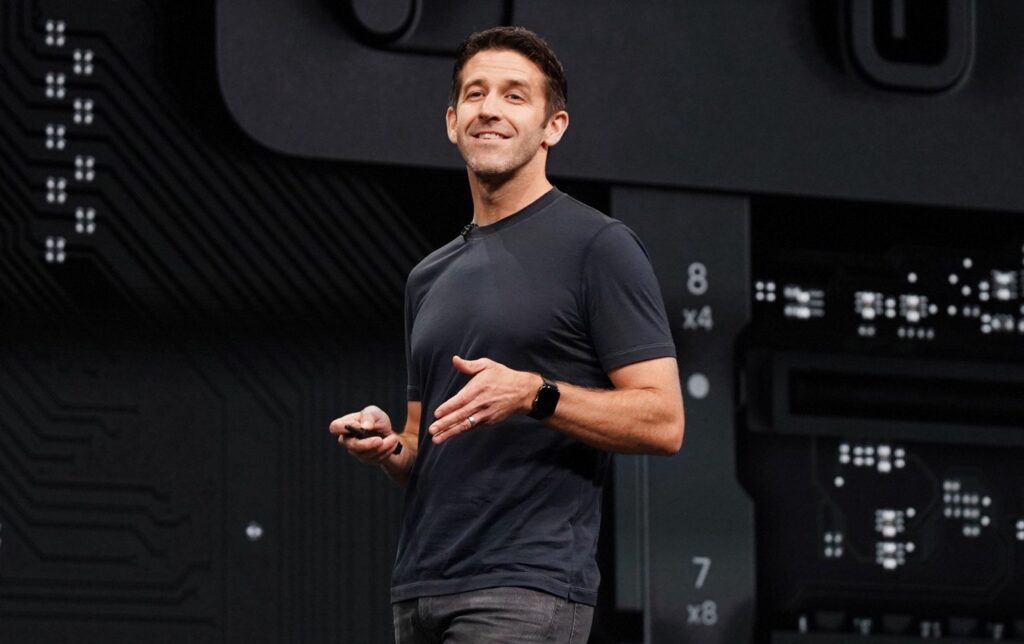
As hardware chief, Ternus has been closely involved in the development of several major Apple products, including the iPad, Mac, AirPods and Apple Watch. His engineering background makes his appointment a notable shift in leadership style, particularly as Apple looks to accelerate product development while addressing growing pressure in artificial intelligence.
One of Ternus’s biggest challenges will be closing Apple’s perceived gap with competitors in AI. The company has faced increasing pressure from rivals such as Google and OpenAI as generative AI becomes a defining part of the technology industry.
He will also inherit a company facing questions over its dependence on China, global supply chains and the need to maintain strong iPhone sales while developing its next generation of products.
Apple’s next chapter begins with the iPhone
Ternus’ first major test as CEO will arrive almost immediately.
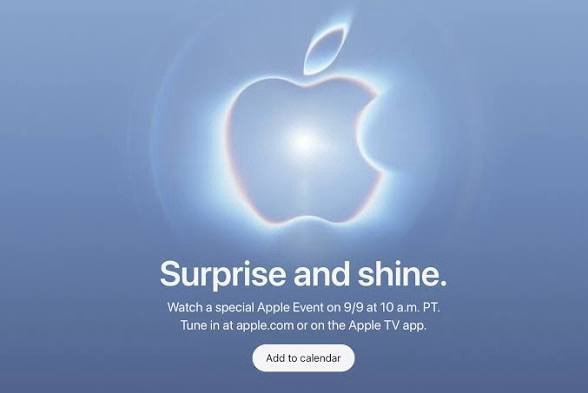
Apple is scheduled to hold its annual iPhone event on September 9, just eight days after Ternus takes over. The company is expected to unveil its next-generation iPhone lineup, with reports also pointing to the possibility of Apple introducing its first foldable iPhone.
The timing gives Ternus an unusually high-profile first appearance as CEO and could set the tone for his leadership of Apple.
Meanwhile, Cook’s transition to executive chairman means his relationship with Apple is far from over. He is expected to remain involved in selected areas, including engagement with policymakers and other strategic matters, while Ternus takes responsibility for the company’s daily operations.
After 15 years defined by massive financial growth, an expanding product ecosystem and the transformation of Apple into a services powerhouse, the Tim Cook era has officially ended.
Now, the spotlight turns to John Ternus and whether the engineer behind some of Apple’s biggest hardware products can lead the company through its next era of AI, new devices and technological competition.
Tim Cook has officially stepped down as chief executive officer of Apple after 15 years at the helm, bringing an era of unprecedented growth and expansion to a close.
Cook’s final day as CEO was Monday, August 31, with John Ternus, Apple’s senior vice president of Hardware Engineering, formally taking over as chief executive on September 1. Cook will remain with the company as executive chairman of Apple’s board, allowing him to continue contributing to selected strategic matters while stepping away from day-to-day operations. Apple’s board unanimously approved the succession plan earlier this year following a long-term transition process.
Cook marked the end of his tenure with a message to the Apple community on X, thanking employees and users for their support and reflecting on what he described as the beginning of a new chapter.
The leadership change makes Ternus the first person to succeed Cook as Apple CEO and puts a hardware-focused executive in charge of the world’s most valuable technology companies at a time when artificial intelligence, new product categories and changing consumer expectations are reshaping the industry.