

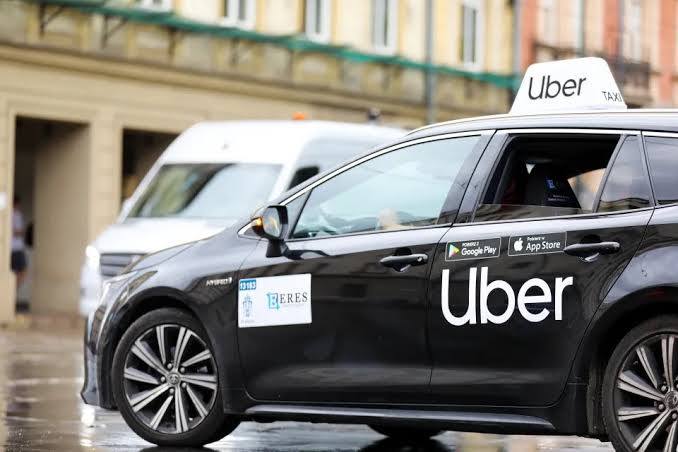
After 12 years on Nigerian roads, Uber is officially out.
The ride-hailing company stopped operations in Nigeria on September 2, 2026, ending a journey that began in Lagos in 2014. Uber also exited Uganda, saying it had made the decision after a review of its business and wanted to focus investments on markets where it could create more value and earning opportunities at scale.
But that explanation leaves out the question Nigerians really want answered: why Nigeria?
Uber has not said that the Nigerian market was unprofitable, nor has it blamed competitors, drivers or passengers. However, the conditions surrounding Nigeria’s ride-hailing industry provide some clues and surprisingly, our obsession with cheaper rides may be part of the story.
Nigeria’s ride-hailing market changed dramatically
When Uber launched in Lagos in 2014, app-based transportation was still relatively new. Within two years, the company said it had already facilitated more than one million trips in Lagos.

But Uber no longer operates in the market it entered 12 years ago.
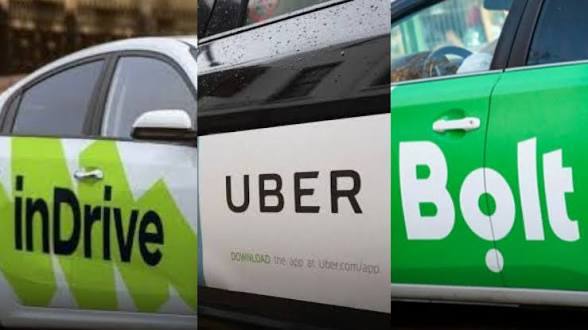
Today, Nigerians have several alternatives, including Bolt, inDrive and local platforms such as LagRide. Competition has made price one of the biggest battlegrounds, while passengers have become increasingly sensitive to how much a ride costs.
That matters because Nigeria’s economy has changed too.
Fuel, vehicle maintenance, financing, data and other operating expenses have risen significantly, putting pressure on drivers. At the same time, inflation and reduced purchasing power mean passengers are increasingly looking for the cheapest ride available.
And that creates a problem: drivers need higher fares to survive, while passengers want lower fares to survive.
Then came the price war
One of the biggest changes in Nigeria’s ride-hailing market has been the rise of fare negotiation.
inDrive, for example, allows passengers to propose fares and drivers to accept or negotiate them. Bolt has also experimented with fare negotiation in Nigeria.
This has fundamentally changed what many Nigerians expect from a ride-hailing app.
If one platform offers a cheaper trip, why pay more for essentially the same journey?
Uber has competed on price before. In 2017, the company cut fares by as much as 40% in Nigeria while maintaining a service fee of up to 25% from drivers. Uber itself said at the time that lower fares could generate more demand and more trips.
But the economics have become much harder since then.
Also Read: Bolt Send’s New Rules Explained: Prohibited Items, Insurance Limits and More
So, are Nigerians the reason Uber left?
Not exactly. But our behaviour as consumers may have contributed to the environment that made Nigeria harder to operate in.
Nigerian passengers increasingly want affordable rides. Drivers, meanwhile, are dealing with substantially higher running costs and want fares that leave them with enough money after fuel, maintenance and other expenses.
Ride-hailing companies are caught in the middle.
Charge passengers more and they may switch apps. Keep fares low and drivers may struggle to make enough money. Take a larger commission and drivers become even less satisfied.
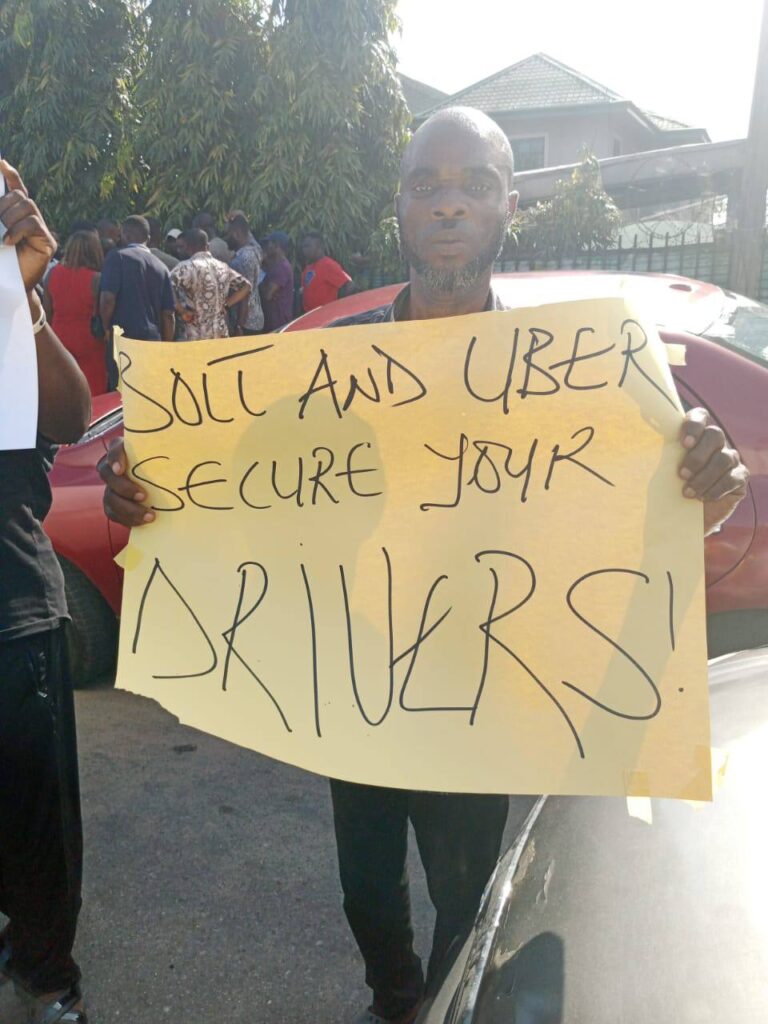
That tension has already spilled into the streets. In March 2026, drivers on major ride-hailing platforms staged coordinated protests over earnings and rising operating costs.
Uber therefore wasn’t simply competing for passengers. It was also competing for drivers in a market where everyone wanted a bigger piece of increasingly difficult economics.
Uber’s biggest problem may have been that Nigeria changed
The Uber that entered Nigeria in 2014 was selling convenience, technology and a relatively premium transportation experience.
But Nigerians in 2026 are shopping differently.
For many riders, the first question is no longer “Which platform offers the best experience?”
It is:
“How much is the ride?”
That shift favoured platforms built around aggressive pricing and fare negotiation.
It also meant Uber had to balance maintaining its standards with remaining competitive in a market where affordability increasingly determines consumer choice.
And the consequences weren’t limited to riders. Drivers have also complained about insufficient trip requests and earnings on Uber, including drivers using UberGo, the company’s lower-cost offering developed with Moove. Moove-financed drivers now also face uncertainty over how they will continue meeting vehicle-financing obligations following Uber’s departure.
But don’t blame the airport controversy
Uber’s exit also came shortly after controversy surrounding e-hailing operations at Nigerian airports, leading some people to connect the two events.
However, Uber has specifically said its decision to leave Nigeria was not related to the Federal Airports Authority of Nigeria’s directive concerning e-hailing operations at airports.
The company has instead described the departure as part of a broader change in its investment priorities.
And importantly, Uber is not abandoning Africa.
The company continues to operate in markets including Egypt, Ghana, Kenya and South Africa, showing that its Nigerian exit is a decision about specific markets rather than a complete withdrawal from the continent.
What happens now?
Uber’s departure creates a significant opportunity for its competitors.
Bolt and inDrive are already positioning themselves to capture some of the passengers and drivers Uber has left behind. inDrive has described Nigeria as a key African market and says its user base has continued to grow year-on-year.
For passengers, that could mean more competition, but it could also mean something else.
If one major competitor disappears, the remaining platforms have less pressure to fight for every customer through pricing.
And that brings us back to the bigger question.
Did Nigerians drive Uber out?
Probably not by ourselves.
Uber made the decision, and only Uber knows the full financial and strategic calculations behind it. But the Nigerian market undoubtedly played a role in creating the conditions the company had to evaluate: intense competition, price-sensitive customers, rising operating costs and drivers demanding better economics.
In other words, Uber didn’t leave simply because Nigerians wanted cheap rides.
It left a market where keeping rides affordable, keeping drivers happy and keeping the business sustainable had become an increasingly difficult balancing act.
After 12 years, the question may no longer be why Uber left Nigeria.
It may be whether the companies replacing it can build a ride-hailing business that Nigerians can afford and drivers can actually survive on.