


Nigeria’s telecom regulator, the Nigerian Communications Commission (NCC), has directed mobile network operators to compensate subscribers for poor service delivery, shifting enforcement from fines to direct consumer restitution.
The directive, announced in a statement on Sunday by NCC’s Head of Public Affairs, Nnenna Ukoha, requires operators to issue airtime credits to affected users when they fail to meet Quality of Service (QoS) benchmarks.
The commission said subscribers should not bear the burden of service failures caused by operators.
Compensation to Be Based on Usage and Location
Under the new framework, compensation will:
- Be calculated based on subscriber spending patterns
- Apply to users in affected locations
- Be triggered after prolonged service degradation or outages
However, the NCC did not specify the exact QoS thresholds, payout timelines, or whether credits will be issued automatically or upon complaint.
Rising Outages Across Networks
The directive follows sustained complaints over declining network quality across Nigeria.
Data shows that between January and May 2025, telecom operators recorded 89 major outages nationwide, including:
- 9mobile — 31 incidents
- MTN Nigeria — 25 incidents
- Globacom — 20 incidents
- Airtel Nigeria — 13 incidents
Approximately 70% of these disruptions were linked to fiber cuts caused by road construction and vandalism.
Also Read: Africa Lost $1.11 Billion to Internet Shutdowns in 2025
In June 2025, outages affected multiple states, including Lagos State, Rivers State, Enugu State, and Anambra State, disrupting calls, SMS, USSD, and data services for hours.
Lagos Emerges as Epicentre
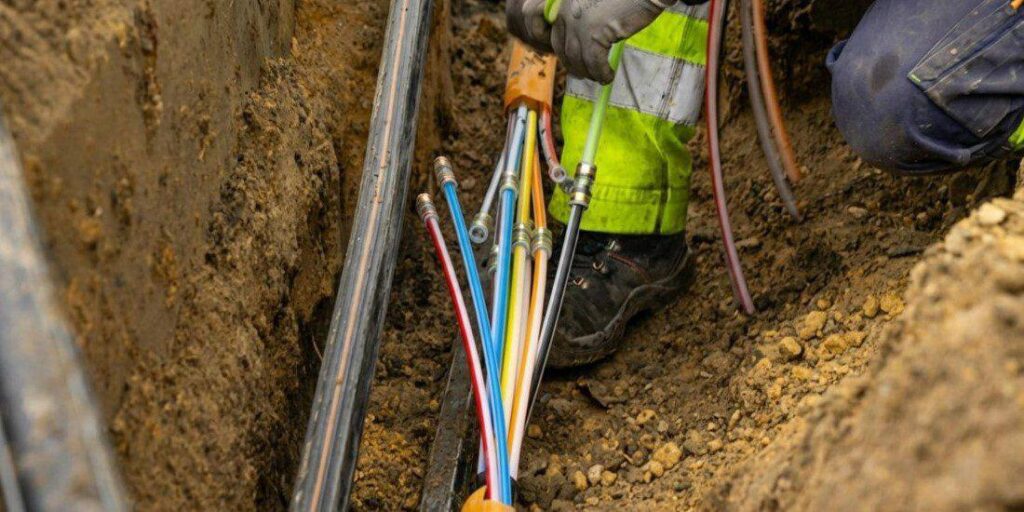
Lagos State remains the most affected region, with over 2,500 fiber cuts recorded in 2024, resulting in an estimated ₦5 billion in losses and repeated service disruptions in key commercial areas such as Ikeja, Lekki, and Victoria Island.
Pressure Mounts After Tariff Increase
The development comes months after the NCC approved a 50% tariff hike in January 2025, tied to commitments by operators to improve network quality.
Despite higher costs, subscribers continue to report:
- Dropped calls
- Slow internet speeds
- Frequent outages
The compensation directive signals increased regulatory pressure to enforce service improvements.
NCC Targets Infrastructure Investment
Beyond telcos, the NCC also directed tower companies to reinvest penalties into infrastructure upgrades.
Operators are expected to improve:
- Network resilience
- Capacity expansion
- Service reliability
Outlook
While the policy introduces a consumer-focused approach to telecom regulation, its impact will depend on enforcement clarity, particularly around compensation triggers, payment timelines, and compliance monitoring.
For now, the NCC’s position is clear: poor network service must come with direct consequences for operators and compensation for users.
See Also: Nigeria’s New Tax Law: What This Means for Everyone in Tech
FAQ
What did the NCC say about poor network?
The NCC directed telecom operators to compensate users with airtime when service quality falls below standards.
Which networks are affected?
Major operators like MTN, Airtel, Glo, and 9mobile are included.
Will users get automatic compensation?
The NCC has not yet clarified whether compensation will be automatic or require complaints.
Why is network poor in Nigeria?
Most outages are caused by fiber cuts due to road construction and vandalism.