

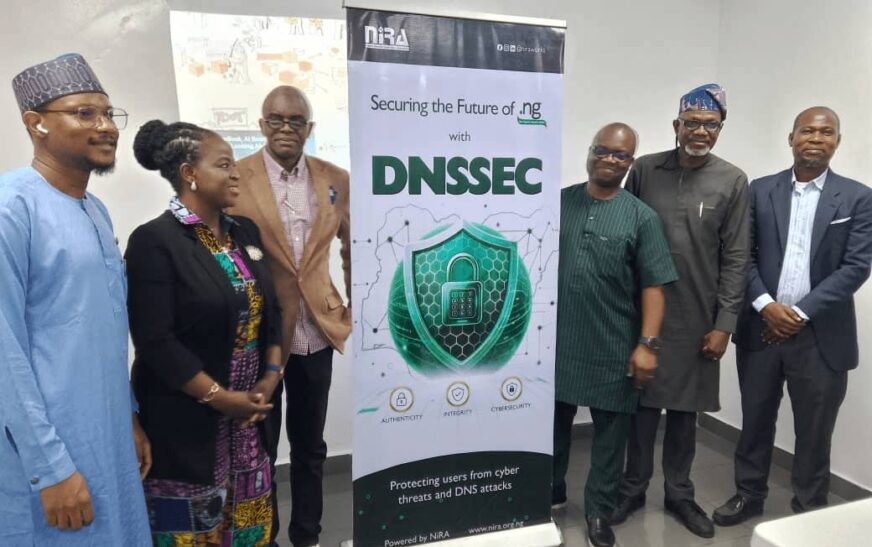
Nigeria has activated DNSSEC on its .ng domain to improve cybersecurity and prevent attacks like phishing and spoofing. This technology adds cryptographic verification to ensure users are connected to legitimate websites, strengthening trust in Nigeria’s digital ecosystem.
The rollout, led by the Nigeria Internet Registration Association, introduces an advanced layer of cryptographic protection designed to prevent cybercriminals from redirecting users to fake or malicious websites.
A Major Milestone for Nigeria’s Internet Ecosystem
The announcement was made during a media advocacy and capacity-building workshop held in Lagos, where NiRA described the deployment as a defining moment for the country’s internet landscape.
At its core, DNSSEC enhances the security of the Domain Name System (DNS), the technology responsible for translating website names into IP addresses. By adding cryptographic verification, DNSSEC ensures that users are connected to legitimate websites and not fraudulent replicas.
Without this protection, attackers can exploit vulnerabilities in DNS to silently redirect users to phishing sites that appear genuine. With DNSSEC in place, such tampering attempts can be detected and blocked before any damage is done.
Why DNSSEC Matters Now
According to Adesola Akinsanya, the move reflects the growing urgency to secure Nigeria’s online space as more services transition to digital platforms.

He emphasized that building a secure and trustworthy internet environment is critical for citizens, businesses, and government institutions alike.
NiRA confirmed that the .ng domain zone has already been fully signed and is currently under monitoring to ensure stability. Once this phase is complete, accredited registrars and domain owners will be able to activate DNSSEC on their domains.
Key Sectors Set to Benefit
As adoption begins, NiRA is encouraging organizations that provide essential digital services to integrate DNSSEC into their cybersecurity frameworks. This includes:
- Banks and financial institutions
- Fintech companies
- Telecom providers
- Government agencies
- E-commerce platforms
Organizations regulated by the Central Bank of Nigeria and the Nigerian Communications Commission are expected to see significant improvements in protection against phishing, spoofing, and data interception attacks.
Also Read: Africa Lost $1.11 Billion to Internet Shutdowns in 2025
Built on Collaboration and Long-Term Planning
Seyi Onasanya noted that the deployment is the result of extensive planning and collaboration across Nigeria’s internet ecosystem.
The current focus, he said, is to ensure a smooth rollout while driving widespread adoption among registrars and domain owners.
Rising Cyber Threats Drive Urgency
The DNSSEC rollout comes at a time when cybersecurity threats targeting Nigerian institutions are on the rise. Recent incidents include unauthorized access to systems at the Corporate Affairs Commission and ongoing investigations by the Nigeria Data Protection Commission into alleged breaches involving major financial platforms.

A Strategic Move for Nigeria’s Digital Future
NiRA believes that strengthening trust in the .ng domain will unlock new opportunities for innovation, investment, and digital growth.
More importantly, the organization stressed that securing Nigeria’s digital infrastructure is no longer just a technical responsibility, it is now a national priority.
Similar Read: NCC Orders Telcos to Compensate Nigerians for Poor Network Service