

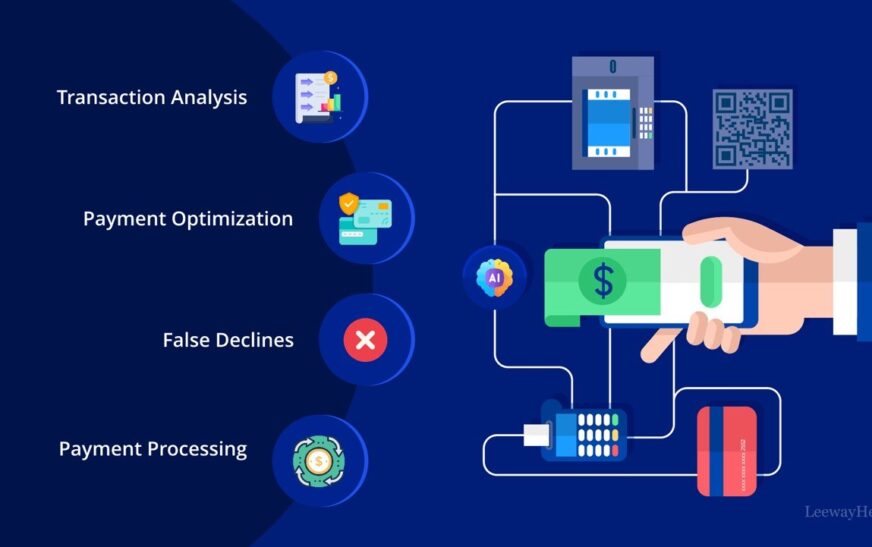
Imagine asking an AI assistant to book a flight, find a hotel and pay for everything using your bank account, without having to approve each step manually.
That convenience is becoming possible with AI agents, but it also introduces a new problem for banks and fintech companies: what happens when an AI agent makes a payment the customer never intended to authorise?
Unlike traditional chatbots, which respond to questions, AI agents can make decisions, interact with online services and complete transactions with limited human involvement. While this could make financial services faster and more convenient, it creates new challenges around payment authorisation, fraud and accountability.
The issue came up at Nigeria Fintech Week 2026 during a panel discussion titled “Artificial Intelligence at Work”, where executives from VFD Technologies, CBI Technologies and Advansio discussed how financial institutions are using AI for fraud detection, credit decisions and customer service.
However, the conversation also highlighted concerns about unreliable data, inaccurate AI-generated responses and the risks of allowing automated systems to make decisions without proper verification.
When AI starts making payments
The biggest difference between traditional financial technology and AI agents is their ability to act independently.
For example, an existing fraud detection system might flag a suspicious transaction for a bank employee to investigate. An AI agent, however, could be instructed to pay monthly bills, purchase groceries within a specified budget or find the cheapest way to send money abroad.
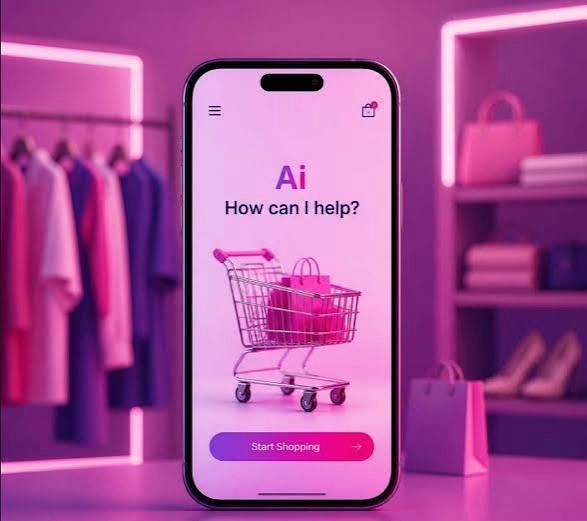
Once given permission, the agent can handle the process itself.
An April 2026 note from the International Monetary Fund (IMF), titled How Agentic AI Will Reshape Payments, explained how this technology could shift payment initiation from direct human instructions to transactions carried out by software acting on users’ behalf.
Federal Reserve Governor Christopher Waller also discussed the development in September 2026, highlighting the difference between people making payments themselves and AI agents independently shopping and paying for them.
The second approach raises important questions about authorisation.
For instance, if a customer gives an AI agent access to a virtual card with a ₦50,000 spending limit, what happens if the system misunderstands an instruction and makes a more expensive purchase?\
Also Read: Can AI Work Without Internet? How to Use Offline AI on Your Phone and PC
A bank might receive a transaction with valid credentials and approve it, even though the customer never intended to make that particular payment.
This creates a challenge beyond verifying account ownership. Financial institutions must also establish whether an automated system has permission to perform a specific transaction and whether it is acting within the customer’s instructions.
Nigeria’s payment infrastructure faces growing security demands
The risks are particularly relevant to Nigeria, where digital payments have become an important part of everyday financial activity.
According to the Central Bank of Nigeria’s 2025 fintech report, the country processed nearly 11 billion transactions through real-time payment channels in 2024, compared with approximately five billion in 2022. These channels accounted for more than a quarter of electronic transactions.
Also Read: CBN Sets ₦15 Billion Capital Requirement for Dollar Stablecoin Issuers in Nigeria
The report also found that 87.5% of fintech companies use technology for fraud detection, while 62.5% apply it to customer service and 37.5% use it for credit scoring and risk assessment.
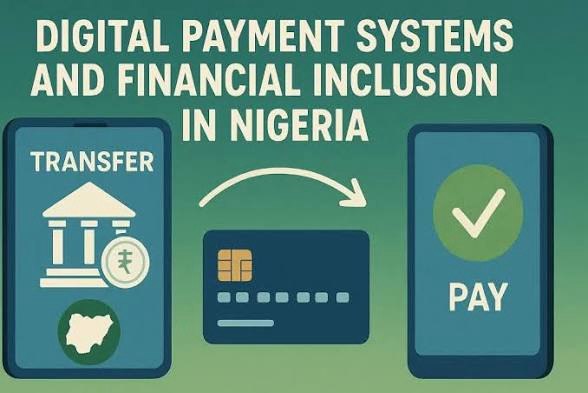
These figures show how deeply technology is already integrated into Nigeria’s financial sector. However, allowing AI agents to initiate payments independently will require stronger safeguards than those used for conventional automated services.
Existing security concerns make this particularly important.
In its Nigeria Payments System Vision 2028 document, the CBN reported that financial institutions lost approximately ₦25.85 billion to fraud across banking and payment channels in 2025, down from ₦52.26 billion in 2024.
Despite the improvement, the losses show that fraud remains a significant challenge.
On November 6, Lendsqr CEO Adedeji Olowe also issued a security advisory warning that Nigerian banks, fintech companies and lenders were facing coordinated cyberattacks.
Among the vulnerabilities highlighted were attempts to exploit exposed developer credentials, compromise email accounts and probe payment APIs. The advisory also described cases where accounts with all-zero account numbers could pass name-enquiry checks and receive stolen funds.
These incidents highlight existing weaknesses that could become more difficult to manage as financial institutions introduce systems capable of independently initiating transactions.
Customers are not entirely convinced
Beyond cybersecurity, consumer confidence could also determine how quickly AI-powered payments become mainstream.
Visa’s 2026 Stay Secure study found that 88% of Nigerian consumers had used AI to assist with shopping. However, only 34% said they trusted AI agents to complete checkout on their behalf.
The difference suggests that Nigerians are increasingly comfortable using AI to compare products, find recommendations and simplify shopping, but remain cautious about allowing it to handle their money.
Read Also: Cybersecurity Startups Raise $5.26 Billion as AI Security Demand Grows
For banks and fintech companies, this means introducing AI agents will require more than improving existing fraud detection systems.
Financial institutions will need to establish clear permission limits, verify the identities of automated agents, restrict the transactions they can perform and give customers the ability to withdraw access when necessary.
The CBN’s Payments System Vision 2028 also places emphasis on security, consumer protection, stronger oversight and responsible technology adoption.
AI agents could eventually make payments more convenient, but financial institutions must ensure that convenience does not come at the expense of customer security.
The challenge for Nigeria’s financial sector is no longer just determining whether a payment is legitimate. It is also determining whether the person behind the account actually authorised the AI agent to make it.