

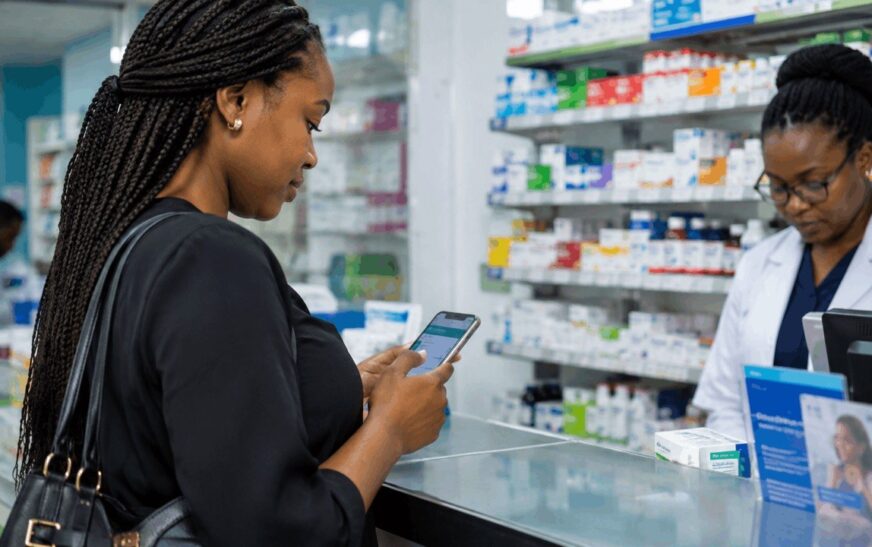
For many Nigerians, buying medicine still means visiting a neighbourhood pharmacy, asking whether a particular drug is available, and sometimes checking several stores before finding what they need.
That experience is gradually changing.
Healthtech companies are using online pharmacies, digital procurement systems, pharmacy networks, delivery services and telehealth tools to make medicines easier to find and order. Some sell directly to consumers, while others work behind the scenes with pharmacies, hospitals and healthcare providers.
The regulatory environment is also becoming more defined. The Pharmacy Council of Nigeria now lists the Electronic Pharmacy Regulations 2026 among its official publications, providing a newer framework for electronic pharmacy services in the country.
This matters because digital pharmacy in Nigeria is no longer limited to an online shop where someone can order paracetamol and have it delivered. The sector now covers everything from medicine price comparison and home delivery to pharmacy procurement, inventory management, healthcare plans and medication adherence.
Here are seven platforms helping shape that shift in 2026.
1. Medplus

Medplus is one of Nigeria’s longest-running pharmacy chains, having opened its first store in Victoria Island, Lagos, in 1993. The company has expanded its traditional pharmacy business with a digital platform where customers can browse medicines, supplements, healthcare products and other items for delivery.
Its digital offering has also moved beyond simple online shopping. Medplus Assist is an AI-powered pharmacy assistant that allows customers to ask about medicines, check product availability and place orders.
The platform also provides access to telehealth consultations and services such as laboratory test bookings and vaccinations. Customers can speak with pharmacists and other healthcare professionals through its telemedicine service.
That combination gives Medplus an advantage that purely digital startups do not necessarily have: an established physical pharmacy network alongside its online infrastructure.
For customers who prefer the familiarity of a physical pharmacy but want the convenience of ordering online, Medplus is increasingly combining both experiences.
2. OneHealth

OneHealth has developed into a broader digital healthcare platform that includes online pharmacy services and pharmacy benefits management.
Its current platform allows consumers to order medicines while its business-facing services connect HMOs, insurers and other healthcare organisations with pharmacy networks. OneHealth says its network covers all 36 Nigerian states, with more than 1,200 pharmacy partners listed on its pharmacy benefits platform.
The company also consolidated several of its healthcare products under the OneHealth brand in 2026. According to the company, its platform has served more than 800,000 customers since launch and supports pharmacy delivery across Nigeria.
This makes OneHealth different from a conventional online pharmacy. Instead of simply putting medicines on a website, it is building technology around the wider process of accessing and managing healthcare.
For consumers, that can mean medicine delivery, pharmacy support and other healthcare services within the same digital ecosystem.
3. Famasi
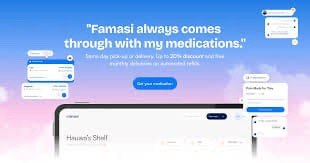
Famasi takes a marketplace approach to buying medicine.
Rather than operating as a single pharmacy, the platform connects customers with pharmacies in its network. Its website currently says users can compare offers from more than 1,000 pharmacies, allowing them to check prices and availability before choosing where to order.
The process is relatively straightforward. A customer searches for a medicine, compares available pharmacy offers, and the selected pharmacy fulfils the order. Famasi says its network supports same-day delivery in covered locations.
The platform also focuses heavily on medication management. Features include prescription refills, auto-refill options and follow-ups designed to help people avoid running out of regular medication.
That focus is particularly relevant for people managing chronic conditions, where forgetting to refill a prescription can interrupt treatment.
Famasi’s model also highlights an important development in Nigerian digital pharmacy: customers do not necessarily need to search for a single pharmacy anymore. A platform can search across multiple pharmacy partners on their behalf.
4. DrugStoc
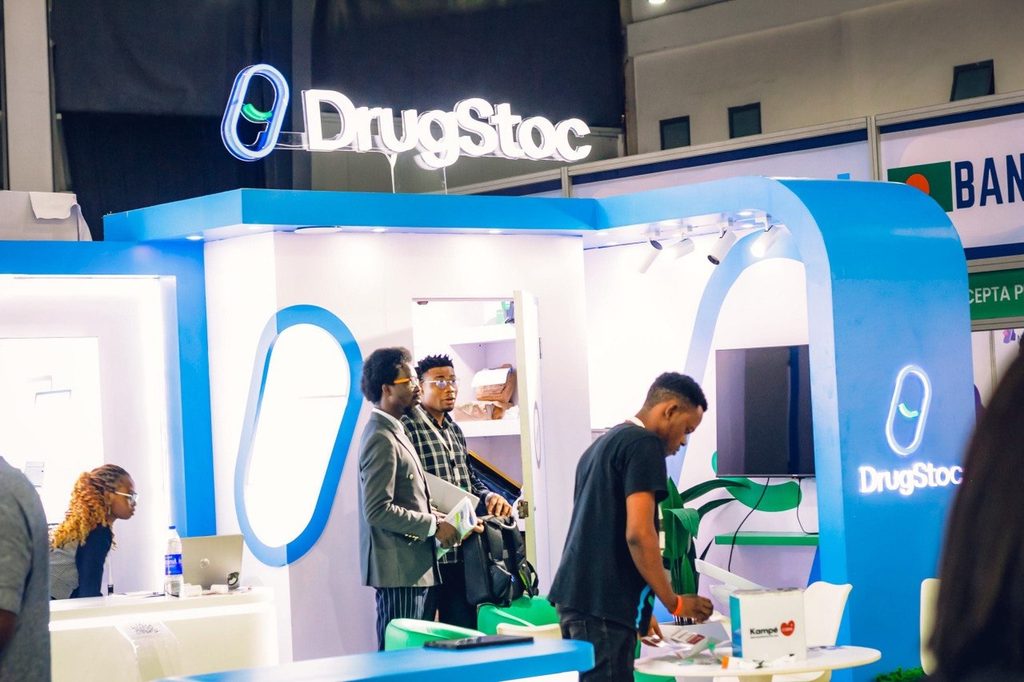
While platforms such as Medplus and Famasi are closer to the consumer, DrugStoc operates much further up the pharmaceutical supply chain.
The company provides a digital procurement platform connecting healthcare providers with pharmaceutical products and suppliers. Its customers include pharmacies, hospitals and other healthcare institutions.
The idea is to make medicine procurement more organised and improve access to quality-assured products. DrugStoc has positioned its technology as part of the response to challenges created by fragmented pharmaceutical distribution in Nigeria.
The company raised $4.4 million in Series A funding in 2021. The round was led by Africa HealthCare Master Fund, with participation from Vested World and Germany’s DEG, among others.
DrugStoc shows why the digital pharmacy industry is bigger than consumer-facing apps. Even when a customer buys medicine from a neighbourhood pharmacy, technology working behind the scenes can influence where that pharmacy gets its stock.
5. Remedial Health
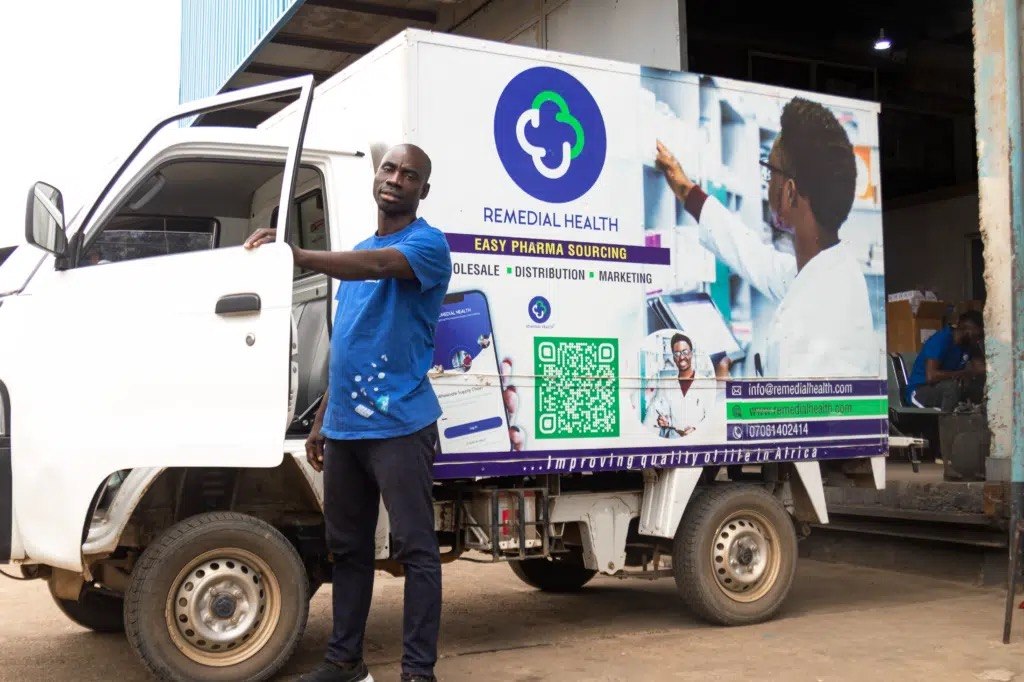
Remedial Health is another company focused primarily on the business side of the pharmaceutical market.
Founded in 2020, the startup develops technology for pharmacies, hospitals and patent medicine vendors. Its platform helps businesses manage pharmaceutical procurement and inventory while also providing financial services to eligible healthcare businesses.
The company raised $12 million in a Series A funding round in 2023. The round included $8 million in equity led by QED Investors and Ventures Platform, alongside $4 million in debt financing. Y Combinator, Tencent and Gaingels also participated.
At the time of the funding announcement, Remedial Health said its platform served thousands of hospitals, pharmacies and patent medicine vendors across Nigeria.
The company’s model addresses a less visible part of buying medicine: making sure pharmacies can actually obtain and manage the products they need to keep their shelves stocked.
For consumers, better digital procurement can translate into fewer stockouts, more predictable availability and more efficient pharmacy operations.
6. WellaHealth
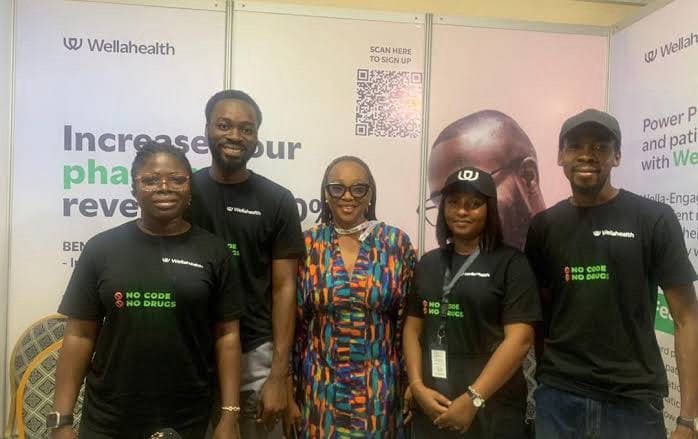
WellaHealth combines digital healthcare services with pharmacy networks, health plans and tools for healthcare providers.
The company was founded by Dr Ikpeme Neto and has built technology that allows pharmacies to manage patient information, medication-related services and healthcare programmes.
Its Wellapartner platform has grown into a pharmacy management system. In 2025, WellaHealth reported that more than 2,000 active pharmacies in Nigeria were using the platform. Its current website now puts its pharmacy network at more than 3,200 partners.
WellaHealth also works with HMOs and other organisations to facilitate access to healthcare and medicines.
Another part of its approach is medication adherence. Digital records, reminders and follow-up services can help patients stay connected to their treatment rather than treating every pharmacy visit as a completely separate transaction.
The result is a model that sits somewhere between digital pharmacy, health insurance infrastructure and pharmacy management technology.
7. Pharmarun

Pharmarun is focused on making pharmacy access more convenient through its digital platform.
The company was founded in 2021 by Teniola Adedeji and Funmilola Aderemi. It started by helping customers access medicines through partner pharmacies and has expanded its network as the business has grown.
In 2023, Pharmarun won a $10,000 equity-free investment at the Pitch2Win competition, where it competed against other early-stage startups from sectors including fintech, logistics and e-commerce.
The company’s growth has continued beyond its early stage. In a 2025 account of its development, Pharmarun said it had passed 1,000 pharmacy partners across Nigeria and that more than 115,000 people had used its platform.
The platform’s model is built around connecting customers to pharmacies that can fulfil their medication needs, while also incorporating healthcare services into the digital experience.
For consumers, that means the process of finding a medicine, placing an order and arranging delivery can happen without visiting multiple pharmacies physically.
What these platforms mean for Nigerian pharmacy
The growth of digital pharmacy does not mean physical pharmacies are disappearing.
Instead, technology is increasingly being added to the existing pharmaceutical system.
Consumer-facing platforms such as Medplus, Famasi, OneHealth and Pharmarun are making it easier to search for products, compare availability, arrange delivery and access healthcare professionals. Meanwhile, companies such as DrugStoc, Remedial Health and WellaHealth are digitising the infrastructure that pharmacies and healthcare providers depend on.
There is also a regulatory dimension. With the Pharmacy Council of Nigeria now publishing its Electronic Pharmacy Regulations 2026, the rules surrounding electronic pharmacy services are becoming an increasingly important part of how this market develops.
For Nigerians, the biggest change may ultimately be convenience. Instead of spending time moving from one pharmacy to another looking for a particular medicine, more of the process can now happen from a phone.
But digital convenience does not remove the need for caution. Prescription medicines should still be used under appropriate professional guidance, and customers should verify that medicines are coming through legitimate pharmaceutical channels.
As more pharmacies, healthtech startups and healthcare providers move online, the Nigerian pharmacy experience is becoming less dependent on the physical shop around the corner and more connected to the digital networks behind it.
Digital pharmacy is still evolving in Nigeria, but these platforms show how technology is changing everything from medicine delivery to pharmaceutical supply chains.