

PayPal Finally Turns to Africa — And This Time, It’s Different
After years of limited access and missed opportunities, PayPal’s Africa comeback is finally taking shape. The global payments giant has confirmed plans to expand across the continent by 2026 — but this time, the strategy looks very different.
Instead of pushing African users into a restrictive Western banking model, PayPal is shifting toward partnerships with local fintech platforms. The move signals a major rethink of how the company approaches emerging markets — and why Africa now sits at the center of its next growth phase.
Now, PayPal is making a clear shift.
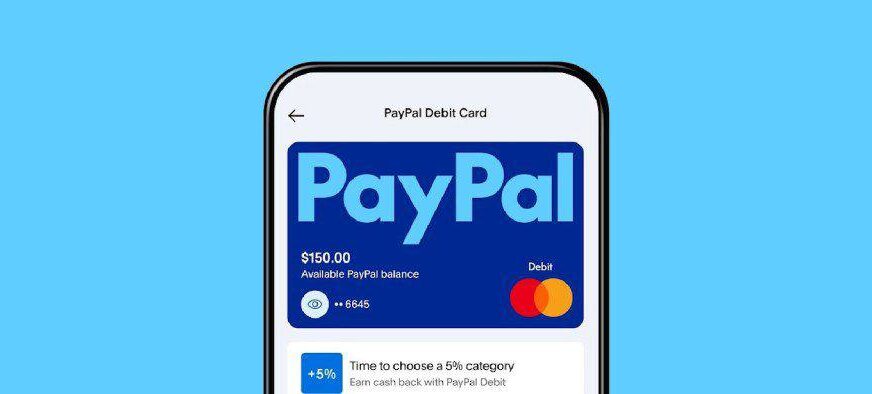
The fintech giant has announced plans to roll out PayPal World across Africa in 2026, confirming it will work with local fintech companies instead of trying to dominate the market alone. It’s a quiet but significant reset.
Why PayPal Stayed Away for So Long
PayPal’s hesitation wasn’t random — it was strategic.
The company has always been built around trust and risk control. In the early 2000s, Africa lacked the identity systems, banking penetration, and regulatory clarity PayPal depended on. High chargeback rates, fraud concerns, and weak compliance infrastructure made expansion costly and risky.
PayPal’s Western-centric model also didn’t fit local realities. Credit cards and traditional bank accounts — key requirements — were not widely accessible. For years, the economics simply didn’t work.
Why Previous Attempts Fell Flat
This isn’t PayPal’s first attempt at “entering” Africa — but earlier efforts were limited.
Partnerships in Nigeria and later with Flutterwave helped specific businesses but excluded everyday users. Most solutions were restricted, send-only, or tied to legacy banking. They felt more like experiments than real commitment.
While PayPal hesitated, Africa moved on.
Mobile money platforms like M-Pesa, MTN MoMo, Paystack, and Flutterwave built systems designed for local needs. Today, Africa accounts for the majority of global mobile money transaction value — proof that the market didn’t need saving, it needed respect.
Also Read: 2025: How Nigerian Fintechs Can Get Operationally Ready Now
What PayPal World Changes
PayPal World signals a strategic admission: PayPal doesn’t need to own African wallets — it needs to connect them.
Instead of forcing users into PayPal’s ecosystem, the company now wants to act as a bridge between existing African wallets and the global economy.
Three things make this possible now:
- Stronger regulatory systems like BVN and national IDs
- Mature fintech players PayPal can partner with
- Slower growth in Western markets, making Africa impossible to ignore
This time, PayPal isn’t asking Africa to adapt. It’s adapting to Africa.

The Bottom Line
PayPal’s 2026 Africa push isn’t charity or conquest — it’s realism.
The continent has already built the rails. PayPal just wants a seat on the network.
If executed properly, PayPal World could finally give African users what they’ve wanted all along: global access without giving up local control.
And after nearly two decades of waiting, that alone is a big deal.
Read Also: 20 Christmas Gift Ideas for Techies (That They’ll Actually Use)