

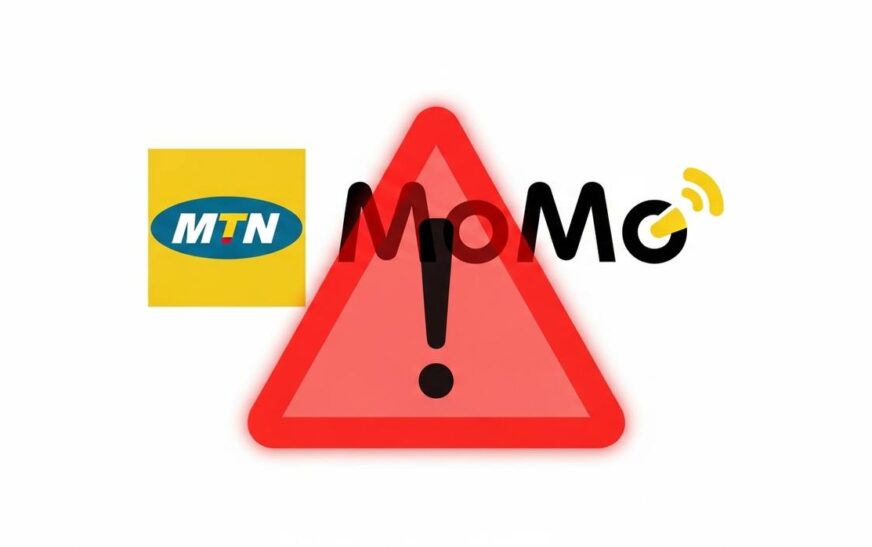
May 24, 2022, should have been a normal day for MTN MoMo, Nigeria’s then-new Payment Service Bank. But inside the operations hub, something unusual was happening. Transactions were moving strangely. Hundreds of thousands of them. The system wasn’t broken. It was doing exactly what it wasn’t supposed to do.
By the time MTN realized the scale, a staggering ₦22.3 billion had left MTN MoMo’s accounts and landed across 8,000 customer accounts in 18 commercial banks. This wasn’t a hack. Court filings later described it as “erroneously transferred” and blamed a system glitch.
In total, around 700,000 transactions were processed without approval, at a speed that made manual intervention nearly impossible.

A New Player in Town
MTN MoMo had just received its final CBN approval to operate as a Payment Service Bank in May 2022. The launch was highly anticipated. Millions of unbanked Nigerians were expected to gain easier access to financial services, and MTN was set to make a major splash in mobile money.
But what no one anticipated was how quickly things could go wrong.
Also Read: NCC Orders Telcos to Compensate Nigerians for Poor Network Service
The Immediate Response
On May 25, just a day after the glitch was detected, MTN MoMo made the only logical call: shut the service down. Operations resumed roughly 24 hours later, but by then, the funds had already spread across 18 banks and thousands of accounts, some belonging to customers who had no idea the money wasn’t theirs.
For the banks, the situation was tricky. They couldn’t simply withdraw the funds from accounts without either customer consent or a court order. Most of them needed the latter.
Taking It to Court
On May 30, 2022, MTN MoMo filed suit at the Federal High Court in Lagos (FHC/L/CS/960/2022), seeking to reclaim the erroneously transferred funds. The affidavit was sworn by CEO Anthony Usoro Usoro, naming all 18 banks and requesting orders to recover the money or account for any withdrawals.
Banks involved included Access, Zenith, GTBank, First Bank, UBA, and others. Together, they held portions of the ₦22.3 billion that had moved in just hours.
When Money Disappears Before Your Eyes
Here’s where it gets complicated: between May 24 and May 30, some recipients had already spent the funds. In Nigeria, unexpected deposits are rarely left untouched. Once spent, recovering the money requires more than court orders. It depends on whether the individual still has the funds. In many cases, they did not.
Read Also: Africa Lost $1.11 Billion to Internet Shutdowns in 2025
The Financial Fallout
MTN MoMo’s 2022 financial report recorded a loss of over ₦10 billion from the incident. Initial recovery efforts clawed back ₦12.5 billion, leaving a write-off of around ₦9.5–10 billion, absorbed under a shared services agreement with MTN Nigeria.
So, in just 7 days, a newly launched fintech product lost ₦22.3 billion, sued half the banking system, and ultimately accepted a near ₦10 billion loss.

Lessons for Mobile Money
The MTN MoMo glitch raises questions that remain largely unexplored:
- Was pre-launch stress testing under the CBN’s PSB framework adequate?
- Who bears liability when a licensed PSB erroneously distributes funds and judicial intervention is required across multiple banks?
- What does it mean for financial inclusion if mobile money infrastructure can misplace ₦22.3 billion before anyone intervenes?
The court case and affidavit are public records. The numbers are confirmed. The lessons are still being written.