

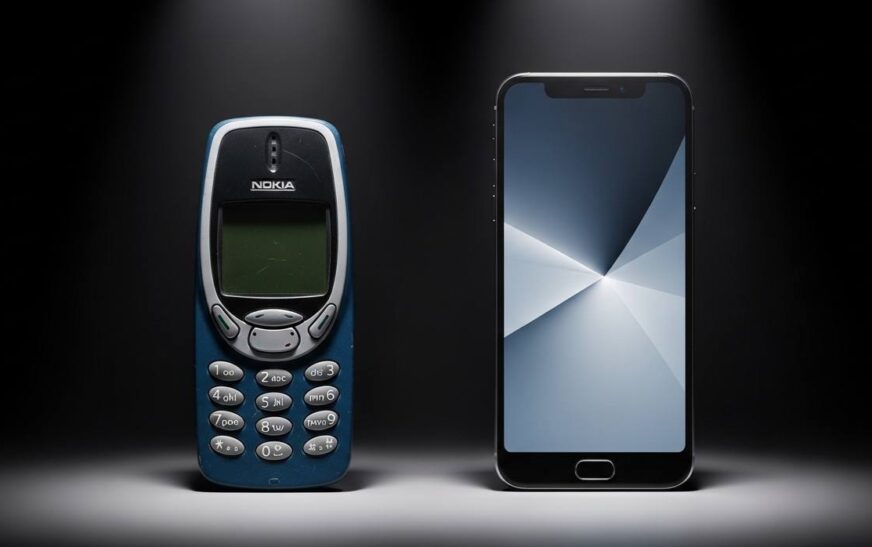
At one point, Nokia wasn’t just popular, it was unavoidable. If you had a phone, it was probably Nokia. The battery lasted for days, the phone could survive almost anything, and the brand felt untouchable.
Then, almost suddenly, it was gone from the spotlight.
So what actually happened? Why did Nokia fail when it had such a massive lead?
When Nokia Controlled Everything
In the early 2000s, Nokia dominated the global phone market. It wasn’t even close. The company understood hardware better than anyone else, and it built devices people trusted.
Phones like the 3310 became symbols of reliability. For millions of users, Nokia defined what a mobile phone should be.
But while Nokia was perfecting hardware, the industry was quietly changing direction.
The Shift Nokia Didn’t Take Seriously
In 2007, Apple introduced the iPhone. It wasn’t just a new phone, it changed expectations. Suddenly, software, apps, and touchscreens mattered more than durability.
Soon after, Android expanded that idea, giving multiple manufacturers a flexible platform to compete.
Nokia saw these changes, but it didn’t move fast enough. It kept improving what it already knew instead of adapting to what users were beginning to want.
That hesitation was costly.
The Real Reasons Nokia Failed
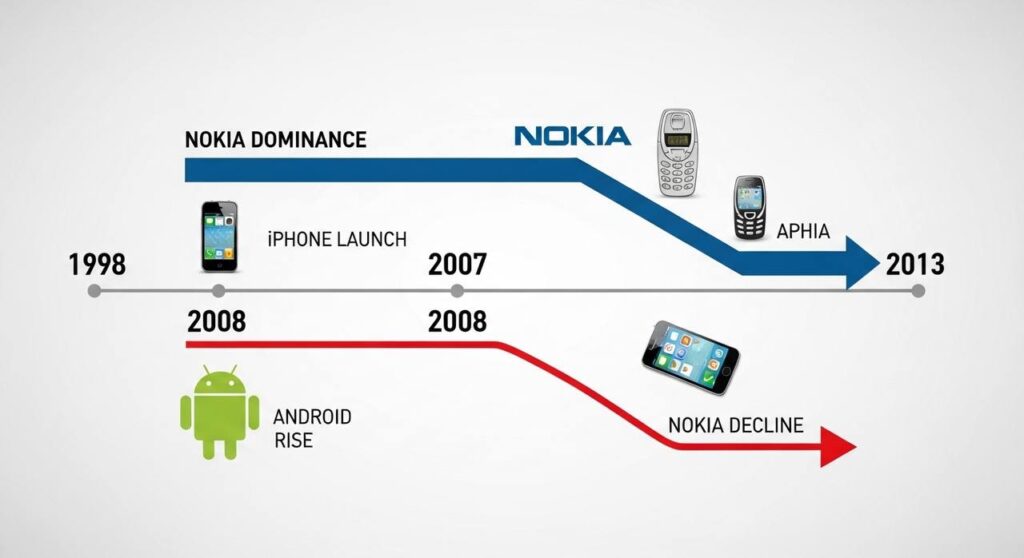
The answer to why Nokia failed isn’t one mistake, it’s a combination of them.
First, its software fell behind. Symbian, Nokia’s operating system, couldn’t match the smooth experience of iOS or Android.
Second, decision-making inside the company was slow. By the time major changes were approved, competitors had already moved ahead.
Third, Nokia underestimated how important apps and ecosystems would become. It treated smartphones like better versions of old phones instead of something entirely new.
While Nokia was adjusting, users had already moved on.
The Microsoft Gamble That Didn’t Work
In an attempt to recover, Nokia partnered with Microsoft and switched to Windows Phone.
It looked like a fresh start, but it created a new problem. The app ecosystem was weak, developers weren’t interested, and users didn’t see a reason to switch from Android or iPhone.
Instead of catching up, Nokia fell further behind.
Related Read: Binatone Rechargeable Fans: A Reliable Alternative to Generators in Nigeria
What Nokia Does Today
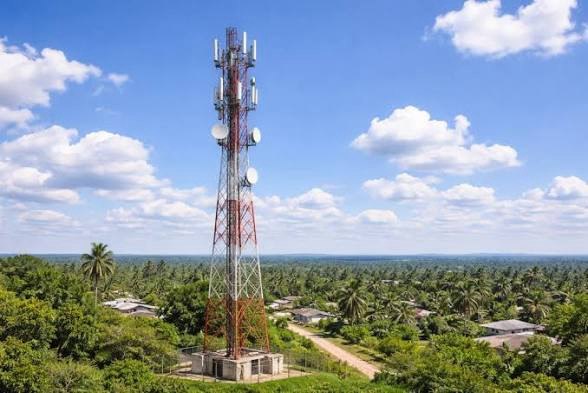
Nokia didn’t disappear completely. Today, it operates mainly in telecommunications—building network infrastructure and contributing to 5G development.
It’s still relevant, just not in the way most people remember.
The Simple Truth
If you strip everything down, why Nokia failed comes down to this: it didn’t adapt when the industry changed.
It had the resources, the brand, and the market. What it lacked was speed and direction at the moment it mattered most.

Lessons That Still Apply Today
Nokia’s story isn’t just about phones. It’s a pattern that keeps repeating in tech.
Companies that win today can lose tomorrow if they ignore change. Users don’t stay loyal to brands; they move to better experiences.
Innovation is no longer optional. It’s survival.
Key Takeaways
- Market leadership can disappear faster than expected
- Software and user experience now drive tech success
- Slow decisions create permanent gaps
- Adapting early is easier than catching up later
Nokia didn’t fail because it was weak, it failed because it didn’t evolve fast enough.
In today’s world of AI, Web3, and constant disruption, that lesson matters more than ever.
Similar Read: 10 Failed Tech Products That Paved the Way for Innovation