

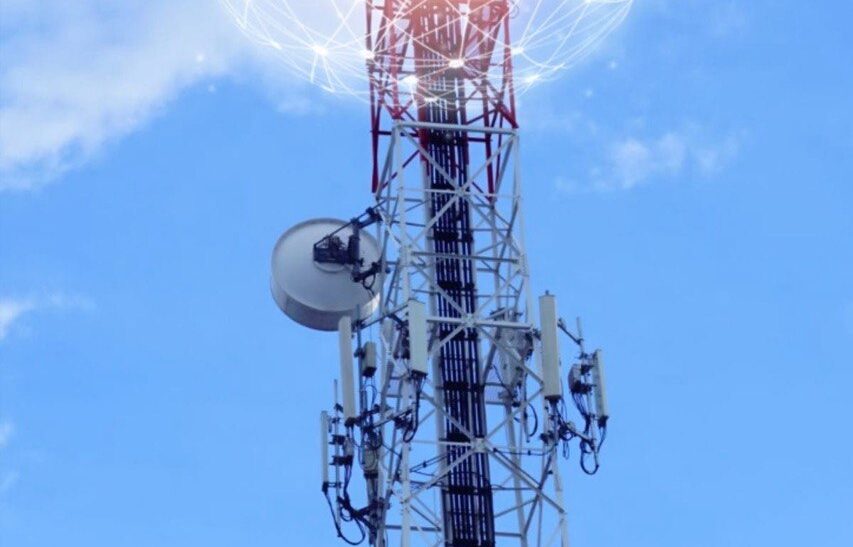
Data Boom, Slow 5G and Rising Costs
Nigeria’s telecom industry experienced a mixed first half of 2026. While internet usage reached record levels and operators expanded infrastructure investments, millions of subscribers continued to struggle with poor network quality, slow 5G rollout and rising service costs.
The period reflected an industry that is growing rapidly in demand but still faces major infrastructure and operational challenges. From increasing data consumption to network outages and fibre vandalism, the first six months of the year highlighted both the opportunities and the obstacles shaping Nigeria’s digital future.
Record Data Consumption Drives Industry Growth
One of the biggest highlights for the Nigeria telecom industry in H1 2026 was the continued surge in internet usage.
Between January and April, telecom operators added more than 6.6 million new internet subscribers, reinforcing the country’s growing dependence on digital services for work, education, entertainment and business.

March and April also recorded the highest monthly data consumption since the Nigerian Communications Commission (NCC) began tracking the metric in 2023, with 1.422 million terabytes and 1.414 million terabytes consumed respectively.
MTN Nigeria generated ₦826.1 billion from data services during the first quarter, accounting for more than half of its total quarterly revenue of ₦1.498 trillion. Airtel Nigeria also recorded strong growth, generating $244 million (about ₦329.4 billion) in data revenue, helping push its total quarterly revenue to $475 million (about ₦641.3 billion).
The increased demand translated into stronger financial performance for telecom operators.
Also Read: MTN MoMo Lost ₦22.3 Billion in 7 Days: The Full Story Behind Nigeria’s Biggest Mobile Money Glitch
4G Expansion Continues While Investments Increase
The figures reinforce one reality: data has become the biggest revenue driver for Nigeria’s telecom industry.
Although millions of Nigerians still rely on older 2G and 3G networks, 4G continued strengthening its dominance throughout H1 2026.
Its market share increased by nearly 2%, reaching 54.41%, showing that more subscribers are migrating to faster networks capable of supporting video streaming, digital payments, remote work and other data-intensive activities.
Infrastructure investment also accelerated following the implementation of the 50% telecom tariff adjustment earlier in the year.
Operators committed to reinvesting additional revenue into network expansion and service improvements.
According to the NCC, more than 12,000 new coverage and capacity sites are planned across the country, with 5,000 already completed, representing about 40% progress.
MTN Nigeria also increased its capital expenditure budget from ₦900 billion in 2025 to over ₦1 trillion, spending ₦390.3 billion in the first quarter alone on network expansion and upgrades.
Another major development was the Federal Government’s decision to review Nigeria’s National Telecommunications Policy (NTP) 2000, marking the first comprehensive update in 26 years.
The review is expected to modernise Nigeria’s telecom policy by addressing emerging technologies such as artificial intelligence (AI), satellite broadband, cloud infrastructure and the Internet of Things (IoT), while setting new targets for digital transformation.
Consumers Still Face Poor Service
Despite encouraging industry growth, customer experience remained one of the biggest concerns during the first half of 2026.
Subscribers across the country continued to report dropped calls, unreliable internet connections and inconsistent network performance, even after paying higher tariffs.
Also Read: MTN and Airtel Made a Fortune from Airtime and Data Borrowing
The complaints prompted the NCC to direct telecom operators to compensate customers affected by poor service experienced between November 2025 and January 2026, a move widely seen as a significant consumer protection milestone.
Another issue that continued generating public debate was rapid data depletion.
Many subscribers argued that purchased data bundles were being exhausted much faster than expected.
Operators, however, attributed the higher consumption to background app updates, automatic cloud backups, high-definition video streaming and newer smartphones that consume more data by default.
MTN Nigeria also organised its “Data on Trial” initiative to demonstrate that there was no deliberate manipulation of customers’ data usage, while operators introduced data calculators to improve transparency.
Despite these efforts, many subscribers remain unconvinced, making data depletion one of the industry’s most persistent customer complaints.

Rising Costs and Slow 5G Rollout Remain Major Challenges
Beyond customer complaints, telecom operators also continued battling rising operating expenses.
Nigeria’s unreliable electricity supply forces operators to depend heavily on diesel-powered generators to keep thousands of base stations running nationwide.
Industry stakeholders estimate that operators consume approximately 40 million litres of diesel every month, with diesel prices ranging between ₦1,800 and ₦1,950 per litre.
These rising energy costs continue to affect network expansion plans and increase the overall cost of providing telecom services.
Meanwhile, Nigeria’s 5G rollout remains significantly behind expectations.
As of April 2026, only 4.34% of internet users were connected to 5G services.
A recent quality-of-experience report further showed that only about 27% to 31% of 5G-capable smartphones in Nigeria’s major cities were actually connected to a 5G network. In most cases, users automatically fell back to 4G or even 3G because 5G coverage was unavailable.
The figures reveal that device adoption is progressing faster than network deployment, limiting the full benefits of next-generation connectivity.
Fibre Vandalism Continues to Threaten Network Reliability
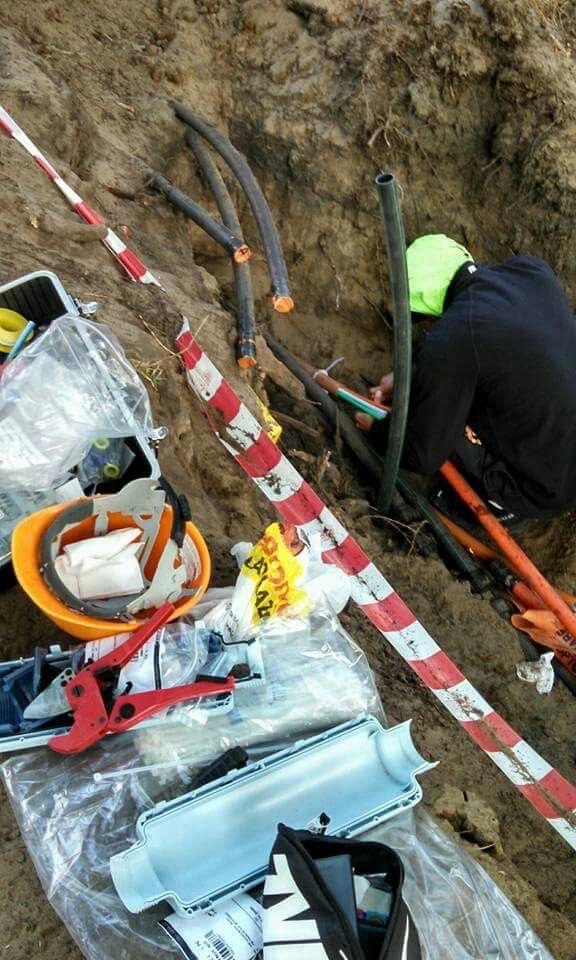
Infrastructure vandalism also remained a major challenge.
Between January and April, operators recorded 5,929 fibre cuts and 1,444 cases of equipment theft, disrupting services across multiple locations.
The problem persists despite telecom infrastructure being designated as Critical National Information Infrastructure.
Cable theft, equipment vandalism and diesel theft continue to increase maintenance costs while slowing efforts to improve service quality nationwide.
Final Thoughts
The Nigeria telecom industry entered 2026 with strong momentum driven by record data demand, expanding 4G coverage and renewed infrastructure investment.
However, slow 5G deployment, poor service quality, rising operating costs and repeated infrastructure vandalism continue to limit the sector’s full potential.
The second half of 2026 will likely determine whether ongoing investments, regulatory reforms and network expansion projects can translate into the faster, more reliable connectivity that millions of Nigerians expect.
For consumers, the message is clear: demand for digital services has never been higher, but the industry’s biggest challenge is ensuring network quality keeps pace with that growth.
Similar Read: Nigeria Activates DNSSEC to Boost Security and Trust in .ng Domains