

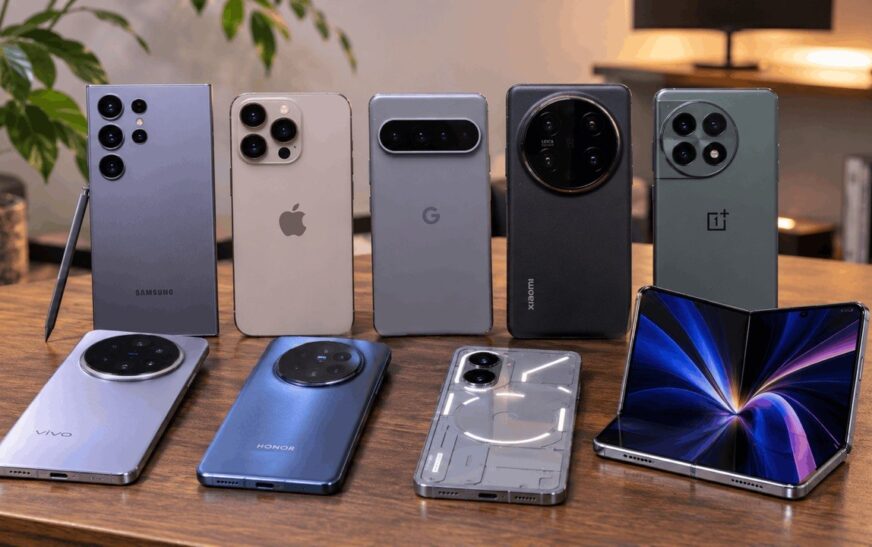
Smartphones in 2026 have become more powerful, intelligent and versatile than ever. Manufacturers are pushing camera technology further, experimenting with foldable designs, improving battery life and adding AI features that promise to make our phones more useful.
But with every manufacturer claiming to have the best camera, fastest processor or smartest AI, which phones actually deserve the attention?
We’ve looked at some of the biggest smartphone releases of 2026, their features, independent reviews, strengths and weaknesses to determine which devices stand out. From premium flagships to phones offering something genuinely different, these are our picks for the best smartphones of the year.
Our ranking considers the overall experience, performance, camera capabilities, battery life, features, innovation and how well each phone delivers on its promises. It is an editorial assessment based on published reviews and available testing, rather than hands-on testing of every device.
1. Samsung Galaxy S26 Ultra
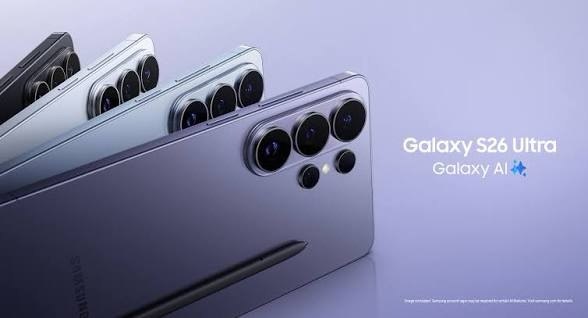
Samsung’s Galaxy S26 Ultra is one of the most complete smartphones released this year, and arguably one of the most feature-packed Android phones available.
Its 6.9-inch AMOLED display, Snapdragon 8 Elite Gen 5 processor, versatile camera system and integrated S Pen make it a phone designed to handle almost anything. Samsung has also introduced a built-in Privacy Display, allowing users to restrict the visibility of their screen from people viewing it at an angle.
Also Read: Samsung’s Next Big Thing? 9 Futuristic Gadgets That Could Arrive Sooner Than You Think
The camera system combines a 200MP main camera with ultrawide and dual telephoto cameras, making it particularly useful for photography at different distances. Its improved zoom capabilities, low-light performance and video stabilisation help it compete among the year’s leading camera phones.
Samsung’s AI features, multitasking capabilities and DeX desktop experience also make the S26 Ultra more than just a phone for everyday use.
Its biggest disadvantages are its price, large size and the fact that some of its AI features can feel unnecessary if you simply want a phone for messaging, browsing and photography.
Our Verdict: The Galaxy S26 Ultra is best for people who want practically everything in one smartphone: powerful cameras, excellent performance, productivity tools, a stylus, AI features and a premium display. It’s particularly appealing to power users, photographers and people who use their phones for work. It isn’t necessarily the best phone for everyone, but it is one of the most complete packages of 2026.
2. Apple iPhone 18 Pro Max
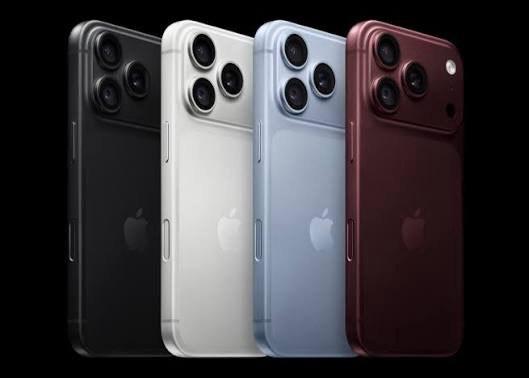
Apple’s iPhone 18 Pro Max is an impressive refinement of its premium smartphone formula. It combines powerful hardware with a highly capable camera system, improved battery life and a polished software experience.
Powered by Apple’s A20 Pro chip, the phone offers exceptional performance for gaming, video editing, photography and demanding applications.
Read Also: Everything You Need to Know About the iPhone 18 Series
One of its most notable camera improvements is the variable-aperture main camera, which gives users more control over light and depth of field. Apple has also introduced improved camera controls, making photography and video recording more flexible than on previous models.
The large 6.9-inch OLED display, strong battery endurance and improved charging make it particularly appealing to people who spend a lot of time using their phones.
However, it comes with a higher price than its predecessor, and its size and weight may not appeal to everyone.
Our Verdict: The iPhone 18 Pro Max is best for people who want a premium smartphone that excels at performance, photography, video recording, battery life and everyday reliability. It is particularly attractive to content creators and people already invested in Apple’s ecosystem. If you want a powerful iPhone without major compromises, this is one of the strongest choices of the year.
Independent testing places it among the leading flagship phones for performance, battery endurance and camera versatility.
3. OPPO Find X9 Ultra
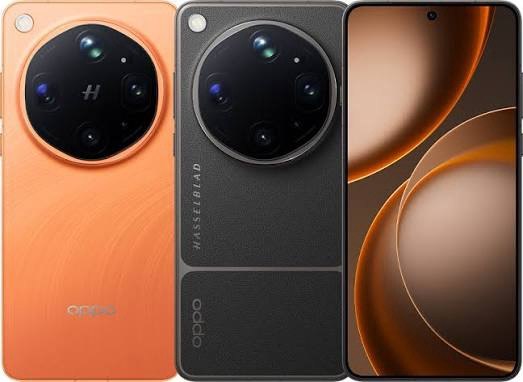
OPPO’s Find X9 Ultra is one of the most impressive camera-focused smartphones of 2026.
The phone features a powerful camera system comprising a 200MP main camera, 50MP ultrawide, 200MP telephoto camera and another 50MP telephoto camera offering longer-range zoom.
This setup gives it considerable photographic flexibility, particularly for people who enjoy photographing landscapes, portraits, architecture, distant subjects and other scenes where zoom capability matters.
It also features a flagship Snapdragon processor, a large OLED display and a 7,050mAh battery, giving it strong performance beyond photography.
Its camera system is arguably its biggest selling point, although the phone’s size, weight and premium price may make it less appealing to casual users.
Our Verdict: The OPPO Find X9 Ultra is best for photography enthusiasts who want a smartphone with exceptional zoom versatility without carrying a separate camera. Its camera hardware is genuinely impressive, and it offers a strong overall flagship experience. If mobile photography is your priority, this is one phone you should seriously consider.
TechRadar’s review particularly praises its camera performance, describing it as one of the best camera phones it has tested.
4. Xiaomi 17 Ultra
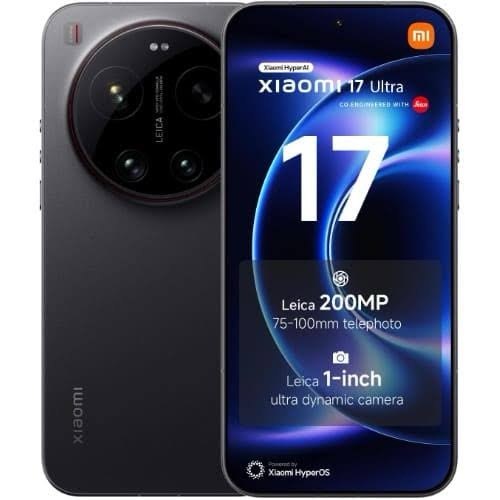
Xiaomi continues to push smartphone photography with the 17 Ultra, a flagship built around its Leica-backed camera experience.
The phone features a large 1-inch main camera sensor and a 200MP telephoto camera with mechanical optical zoom, allowing it to capture images across different focal lengths without relying entirely on digital zoom.
Its photography is particularly impressive in challenging lighting conditions, with improved dynamic range, detailed images and Leica-inspired colour profiles.
Beyond the cameras, the Xiaomi 17 Ultra offers flagship performance, a premium design, a large 6.9-inch display and fast charging.
However, its software experience remains one of its weaker areas. HyperOS may not appeal to everyone, and its video capabilities don’t quite match the phone’s strengths in still photography.
Our Verdict: The Xiaomi 17 Ultra is best for people who love photography and want more creative control over their smartphone camera. Its Leica-inspired imaging, impressive zoom system and powerful hardware make it a compelling alternative to the traditional Apple and Samsung flagships. If you take lots of pictures and care about how they look, this phone deserves serious consideration.
Also Read: How to Tell If Your Phone Has Been Hacked or Compromised
TechRadar praised its camera system, display, design and performance, while noting its software and video limitations.
5. OnePlus 15
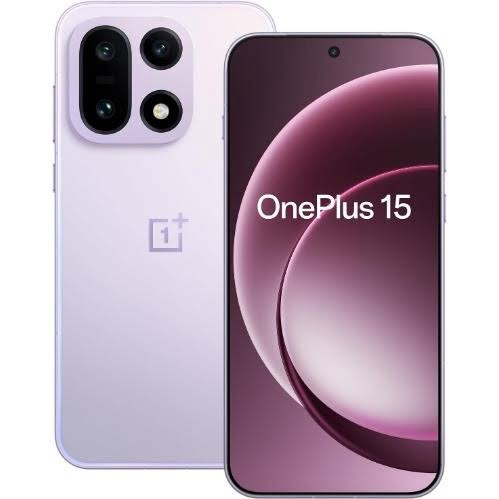
The OnePlus 15 is one of the year’s most compelling smartphones for people who prioritise performance and battery life.
It features a Snapdragon 8 Elite Gen 5 processor, a high-refresh-rate AMOLED display and a massive 7,300mAh battery. Its battery capacity is particularly impressive, giving it an advantage over many competing flagship phones when it comes to endurance.
Fast charging also means users don’t have to spend as much time waiting for their phones to recharge.
The OnePlus 15 is particularly attractive to gamers and heavy smartphone users. Its powerful processor and high-refresh-rate display deliver a smooth experience, while its large battery makes extended gaming, streaming and multitasking more practical.
Its camera system is capable, but it isn’t the phone’s strongest selling point. The display resolution is also lower than that of some competing premium flagships.
Our Verdict: The OnePlus 15 is best for people who want excellent performance, long battery life and fast charging without constantly worrying about finding a power outlet. It’s particularly suited to gamers, heavy users and people who use their phones throughout the day. It may not be the best camera phone on this list, but its battery and performance combination makes it one of the most practical flagships.
Its large battery, charging capabilities and performance are among the phone’s biggest strengths, although its camera and display compromises are worth considering.
6. Vivo X300 Ultra
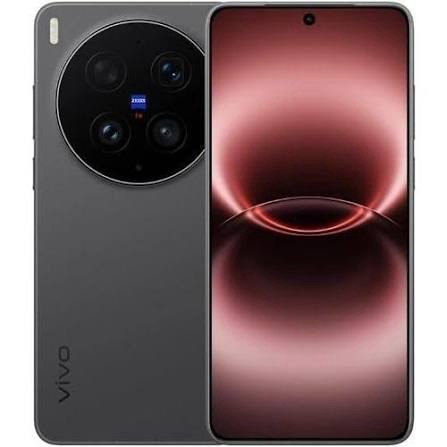
Vivo’s X300 Ultra is another smartphone that demonstrates just how competitive the premium camera-phone market has become.
Its camera system is designed to compete with the best mobile photography hardware available, offering high-resolution sensors, powerful telephoto capabilities and advanced image processing.
The phone also features flagship-level performance, a premium display and a battery designed to support demanding users.
Where Vivo particularly stands out is its approach to photography and video. Its camera experience offers plenty of flexibility for people who enjoy capturing different types of content, from everyday photographs to more ambitious shots.
However, availability can be an issue in some markets, and its premium positioning means it isn’t an inexpensive purchase.
Our Verdict: The Vivo X300 Ultra is best for photography enthusiasts and people who want a premium smartphone with a particularly capable camera system. It is a serious competitor to Xiaomi and OPPO’s Ultra models, especially for people who value photography and video versatility. Its availability outside certain markets is something potential buyers should consider.
The X300 Ultra is frequently compared with the OPPO Find X9 Ultra and Xiaomi 17 Ultra, particularly for its camera hardware and imaging capabilities.
7. Google Pixel 11 Pro XL
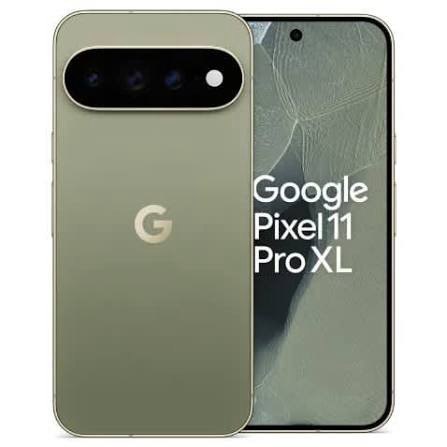
Google’s Pixel 11 Pro XL takes a different approach from many competing flagship phones. Instead of focusing solely on raw processing power, Google places considerable emphasis on software, AI and photography.
The phone features a large OLED display, Tensor G6 processor and a triple-camera system comprising main, ultrawide and telephoto cameras.
Its photography experience remains one of its strongest features. Google’s computational photography produces consistently attractive images, while its AI tools offer features for editing, organising and interacting with content.
The Pixel 11 Pro XL also offers a clean Android experience and Google’s software support, making it appealing to people who prefer an uncluttered interface.
Unfortunately, its performance improvements over the previous generation are relatively modest, and battery life and raw processing power remain areas where some competitors perform better.
Our Verdict: The Pixel 11 Pro XL is best for people who value photography, intelligent software, useful AI features and a clean Android experience. It is particularly appealing to people who enjoy taking pictures without needing to adjust multiple camera settings. However, if gaming performance, charging speed or maximum hardware power are your priorities, there are stronger alternatives.
Reviews praise its camera improvements, display and AI features, but question whether the upgrades are substantial enough to justify the purchase over its predecessor.
8. Honor Magic8 Pro
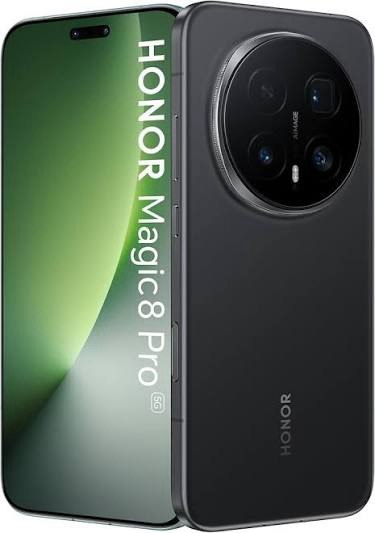
Honor’s Magic8 Pro is a powerful all-round flagship that deserves more attention than it often receives.
It features a Snapdragon 8 Elite Gen 5 processor, a bright OLED display, a capable camera system and a large battery. Its telephoto camera is particularly impressive, while its fast charging and battery endurance make it attractive to people who use their phones heavily.
Honor has also made improvements to its software support, promising extended updates that make the device more appealing as a long-term purchase.
Its camera system performs particularly well in night photography and zoom scenarios, although image processing can sometimes be inconsistent and its video performance isn’t as impressive as some competitors.
Our Verdict: The Honor Magic8 Pro is best for people who want a powerful Android flagship with strong battery life, fast charging, an impressive display and versatile cameras. It is a particularly attractive option for people who want premium hardware without automatically choosing Samsung. Its software experience and availability may be the deciding factors for some buyers.
Independent reviews highlight its performance, display, battery and telephoto photography, while noting some camera-processing and video limitations.
9. Apple iPhone Duo
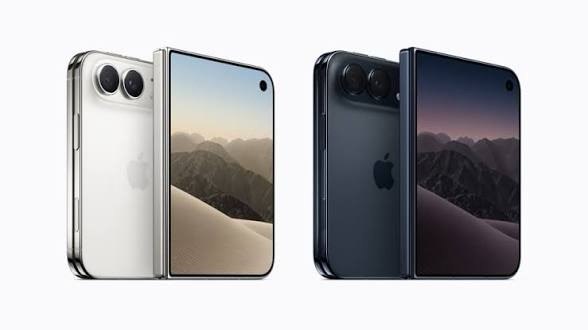
Apple’s first foldable iPhone is undoubtedly one of the most significant smartphone releases of 2026.
The iPhone Duo combines a 5.4-inch external display with a 7.6-inch inner display, allowing users to switch between a conventional smartphone and a tablet-like experience.
Its foldable design makes multitasking, watching videos, gaming and reading more comfortable, while Apple’s A20 Pro chip provides flagship-level performance.
Apple has also paid considerable attention to the hinge, display crease and overall design, making the device feel more refined than many people might expect from a first-generation foldable.
However, the iPhone Duo is extremely expensive. It also lacks a dedicated telephoto camera and Face ID, and not every third-party app is fully optimised for its larger display.
Our Verdict: The iPhone Duo is best for people who want the convenience of a smartphone and the larger screen experience of a tablet in one device. It is particularly useful for multitasking, watching content, reading and people who enjoy trying new technology. It’s an exciting device, but its price and compromises mean it’s not necessarily the best choice for most iPhone buyers.
The foldable design, display experience and multitasking capabilities have been praised in reviews, although app optimisation, weight and camera omissions remain drawbacks.
10. Nothing Phone (4a) Pro
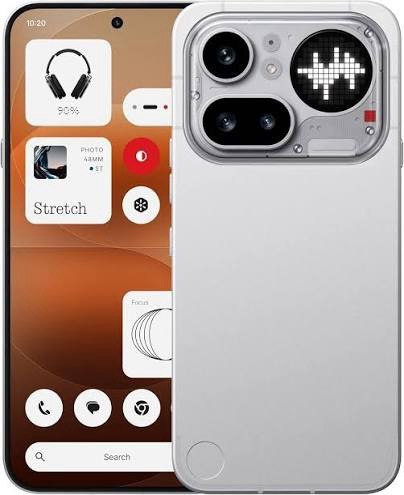
Nothing’s Phone (4a) Pro is one of the more interesting mid-range smartphones released in 2026.
It combines a distinctive design with a bright display, capable performance, a versatile camera system and Nothing’s clean software experience.
The Glyph interface remains a recognisable part of the company’s identity, providing visual notifications and other functions through lights on the rear of the device.
Its battery life is also a strength, while the phone’s overall design gives it a more distinctive appearance than many similarly priced competitors.
However, camera performance can be inconsistent, particularly with the ultrawide and zoom cameras. It also lacks wireless charging, and its software-support policy isn’t as competitive as some alternatives.
Our Verdict: The Nothing Phone (4a) Pro is best for people who want a capable mid-range smartphone with a distinctive design, smooth software, a good display and dependable everyday performance. It offers an enjoyable experience without flagship pricing, although buyers who prioritise camera consistency or long-term software support may find better alternatives.
Reviews praise its design, software, battery and overall value while highlighting camera inconsistencies and the absence of wireless charging.
The Best Phones of 2026: Our Quick Picks
| Category | Phone |
|---|---|
| Best overall Android experience | Samsung Galaxy S26 Ultra |
| Best premium iPhone | iPhone 18 Pro Max |
| Best camera phone for zoom versatility | OPPO Find X9 Ultra |
| Best photography-focused alternative | Xiaomi 17 Ultra |
| Best battery life | OnePlus 15 |
| Best camera and clean Android experience | Google Pixel 11 Pro XL |
| Best all-round alternative flagship | Honor Magic8 Pro |
| Best foldable iPhone | Apple iPhone Duo |
| Best mid-range experience | Nothing Phone (4a) Pro |
Final Verdict
2026 has delivered some genuinely impressive smartphones, but the biggest takeaway is that manufacturers are increasingly focusing on different strengths rather than trying to make every phone identical.
Samsung continues to offer one of the most complete Android experiences, Apple has refined its premium iPhones while introducing its first foldable, and companies such as Xiaomi, OPPO and Vivo are pushing mobile photography to new levels.
Meanwhile, OnePlus has demonstrated how much battery life can improve the everyday smartphone experience, Google continues to lean into software and AI, and Honor is proving that premium hardware doesn’t have to come exclusively from the biggest smartphone brands.
Ultimately, the best phone isn’t necessarily the one with the most expensive price tag or the highest specifications. It’s the one that does the things you actually care about exceptionally well.
And if 2026 has demonstrated anything, it’s that smartphone buyers have more genuinely good options than ever.