

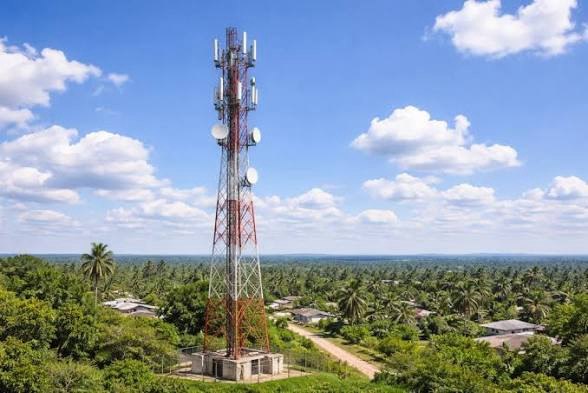
The federal government plans to deploy 1,989 telecommunications towers across underserved communities in Nigeria in a move aimed at bringing mobile network and internet access to approximately 7.05 million people.
Benue State has the highest allocation, with 179 towers planned under the first phase of the Nigeria Universal Communication Access Project (NUCAP). The initiative targets communities where poor network coverage continues to limit access to essential digital services.
According to the plan announced by the Minister of Communications, Innovation and Digital Economy, Dr Bosun Tijani, the deployment will cover 436 local government areas (LGAs) identified as underserved.
The project forms part of a broader plan to deploy 3,700 telecom towers nationwide to help close Nigeria’s digital divide.
For people living in rural communities, unreliable mobile coverage can make everyday activities such as online banking, accessing educational resources, receiving medical advice and contacting emergency services considerably more difficult. The proposed expansion is intended to address some of these challenges by extending connectivity to settlements that telecom operators have struggled to serve commercially.
What to Know About Nigeria’s 1,989 Telecom Tower Project
The first phase of the project is designed to extend connectivity to 2,232 rural settlements across the targeted local government areas.
According to the project’s infrastructure dashboard, the planned deployment includes the following targets:
- 1,989 telecom towers planned for deployment.
- 436 local government areas targeted for improved connectivity.
- 2,232 rural settlements expected to benefit.
- 7.05 million people projected to gain network access.
- 12,051 kilowatt-peak (kWp) of solar power capacity planned to support the infrastructure.
The figures indicate that each targeted LGA would receive an average of approximately 4.6 towers, although the actual allocation varies by location.
Also Read: NCC Begins Warning Phone Users Over Unapproved Devices: How to Check Your Phone
The infrastructure plan also sets out coverage targets intended to bring communities closer to network access. The dashboard indicates that settlements will be approximately 350 metres from the nearest tower on average, while the furthest residents are expected to be within four kilometres.
These are planned coverage figures, rather than confirmation that the towers have already been installed or that every resident will receive the same quality of service.
Why Solar Power Is Part of the Plan
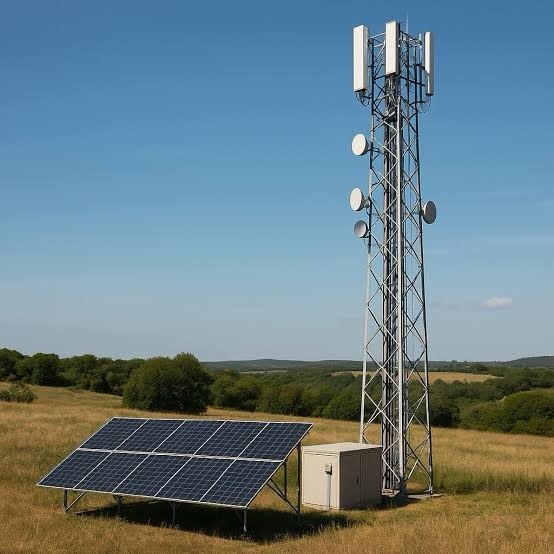
Electricity remains a major challenge for telecommunications infrastructure in many rural areas. Where grid power is unreliable or unavailable, operators must find alternative ways to keep network equipment running.
To address this challenge, the project includes plans for 12,051 kWp of solar power capacity to support the towers.
Reliable power is essential because a tower that cannot operate consistently will struggle to deliver dependable connectivity. Solar installations could help reduce reliance on the national grid in remote locations, although the effectiveness of the solution will depend on implementation, maintenance and the infrastructure deployed at each site.
Read Also: Imose Mobile is turning Nigeria’s homegrown device maker into a telecom operator
If successfully implemented, the additional connectivity could also help farmers access market prices and weather information, enable businesses to use digital payment services, and improve communication for emergency responders and security agencies.
Benue Gets the Highest Number of Planned Towers
Benue State leads the allocation, with 179 towers planned for underserved communities. Other states receiving substantial allocations include Bauchi, Niger, Kaduna and Kebbi.
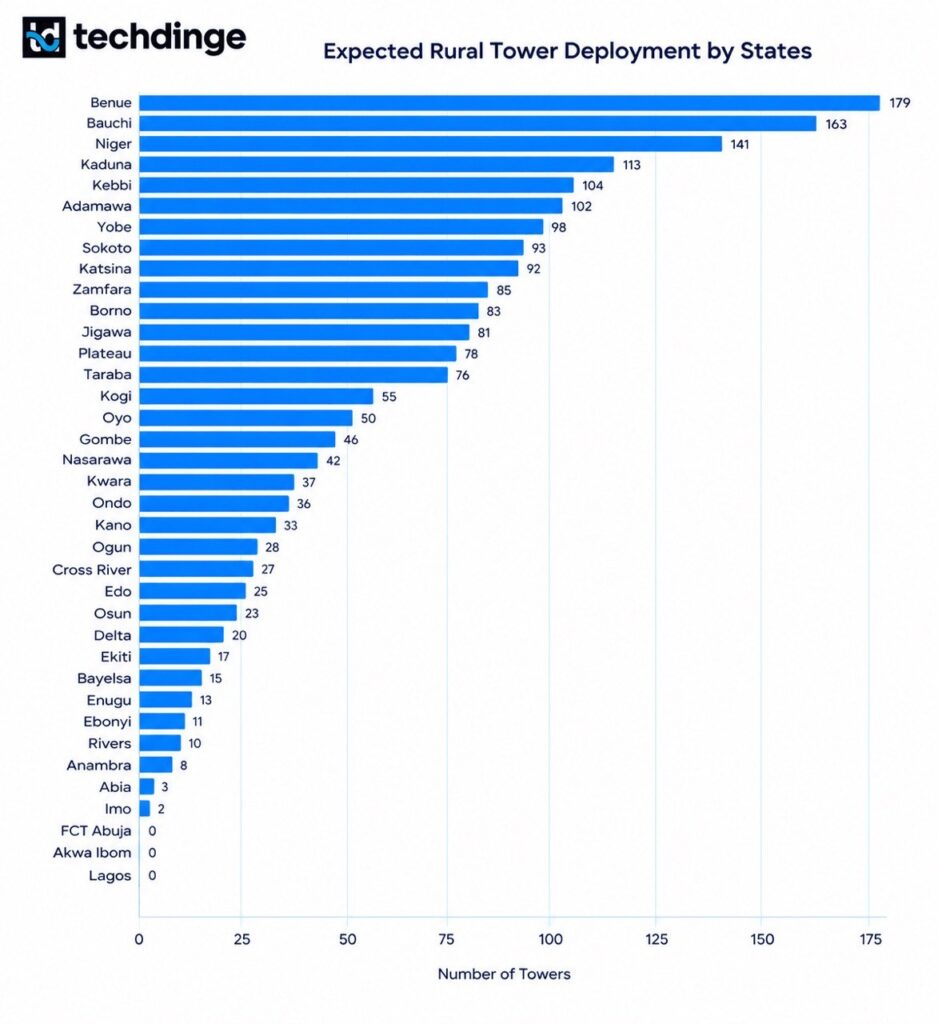
The state-by-state figures published on the project’s dashboard are as follows:
| State | Planned Towers |
|---|---|
| Benue | 179 |
| Bauchi | 163 |
| Niger | 141 |
| Kaduna | 113 |
| Kebbi | 104 |
| Adamawa | 102 |
| Yobe | 98 |
| Sokoto | 93 |
| Katsina | 92 |
| Zamfara | 85 |
| Borno | 83 |
| Plateau | 78 |
| Taraba | 76 |
| Oyo | 50 |
| Gombe | 46 |
| Nasarawa | 42 |
| Kwara | 37 |
| Ondo | 36 |
| Kano | 33 |
| Ogun | 28 |
| Cross River | 27 |
| Edo | 25 |
| Osun | 23 |
| Delta | 20 |
| Ekiti | 17 |
| Bayelsa | 15 |
| Enugu | 13 |
| Ebonyi | 11 |
| Rivers | 10 |
| Anambra | 8 |
| Abia | 3 |
| Imo | 2 |
| Akwa Ibom | 0 |
| Lagos | 0 |
| FCT Abuja | 0 |
Note: These figures represent planned allocations, not completed installations. States with zero allocations in this phase are not necessarily excluded from future connectivity initiatives.
The dashboard also identifies local government areas expected to benefit through their rural settlements. Katsina-Ala in Benue has the highest number of listed beneficiary settlements, at 29, followed by Wasagu/Danko in Kebbi with 24 and Ukum in Benue with 23.
Gamawa and Ganjuwa in Bauchi are also among the leading LGAs, with 20 and 19 settlements, respectively.
These allocations highlight the project’s focus on communities where expanding coverage may require public intervention rather than relying entirely on commercial investment.

What the Project Could Mean for Rural Nigerians
The planned deployment is part of a broader effort to improve digital inclusion in Nigeria, where gaps in connectivity continue to affect access to information and online services.
For rural residents, better coverage could make it easier to participate in digital commerce, access online learning materials, use financial services and communicate with people outside their communities.
However, the project’s impact will depend on more than the number of towers announced. Installation, reliable power, maintenance, backhaul connectivity and affordable mobile services will all influence whether residents experience meaningful improvements.
The government has outlined a wider ambition to deploy 3,700 telecom towers, with the 1,989-tower plan representing an initial phase of the intervention.
If the rollout delivers its intended coverage, it could help connect millions of Nigerians who currently live in underserved areas. For now, the published figures describe the project’s targets, and progress will need to be measured against the infrastructure that is actually installed and brought into service.