

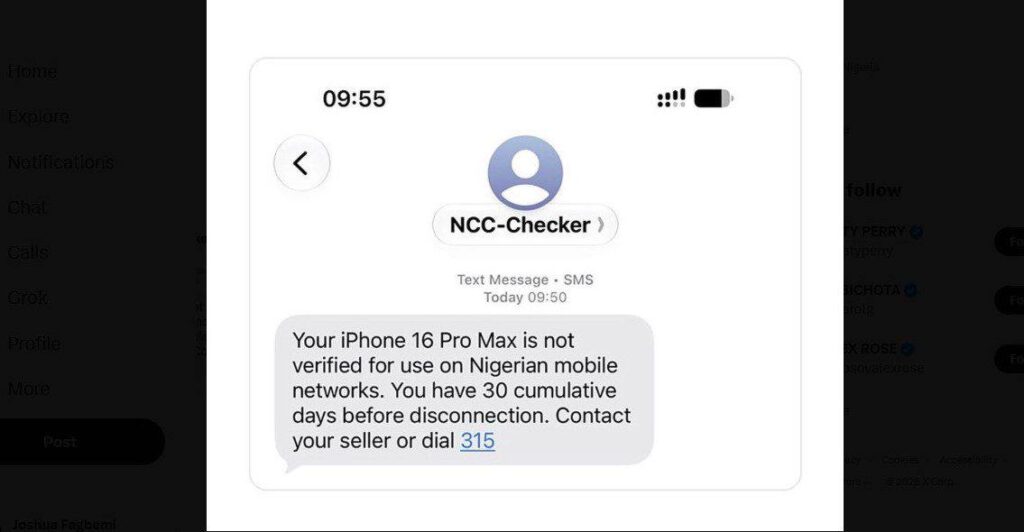
The Nigerian Communications Commission (NCC) has begun warning mobile phone users whose devices have reportedly failed its regulatory verification checks, notifying affected users that their phones could lose access to Nigerian mobile networks after 30 cumulative days.
The warning messages, reportedly sent under the sender ID “NCC-Checker,” form part of the commission’s efforts to enforce compliance with its Device Management System (DMS), a technology-backed framework designed to identify communications devices that do not meet Nigeria’s technical and regulatory requirements.
According to reports from affected users, the messages warn that a device has not been verified for use on Nigerian mobile networks and advise the recipient to contact the seller or dial *315#.
The development could affect owners of smartphones purchased locally or imported from abroad, particularly those who bought devices through informal channels and cannot readily confirm their regulatory approval status.
However, receiving a warning does not automatically establish that a phone is counterfeit. The device’s approval and verification status should be checked before owners conclude that their phones will be disconnected.
How to Check If Your Phone Is Approved for Use in Nigeria
Nigerians can reportedly use a USSD code to check whether their phones have been approved for operation on local telecommunications networks.
Follow these steps:
- Open the Phone or Dialler app on your device.
- Dial *315#.
- Follow the instructions displayed on your screen to check your device’s status.
- Review the response to determine whether the phone is recognised as approved.
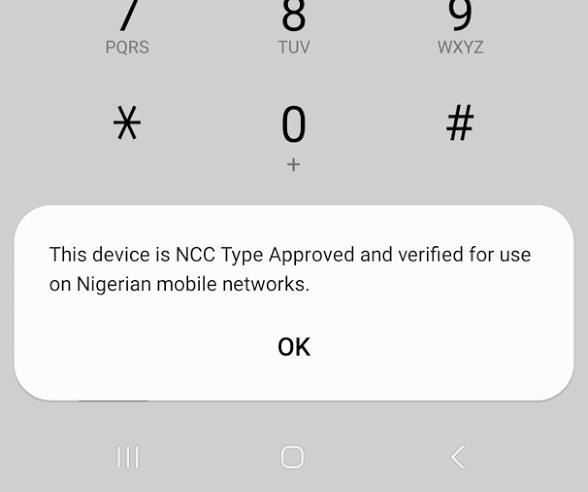
If the device passes the check, the reported confirmation message reads: “This device is NCC Type Approved and verified for use on Nigerian mobile networks.”
If your phone is flagged as unverified, do not immediately assume that it is fake or that disconnection is inevitable. Contact the retailer or manufacturer and seek clarification on the device’s approval status.
You can also consult the NCC’s official Type Approval page to check its published list of approved equipment.
Important: The *315# checking procedure and the exact response messages have been reported in Nigerian media coverage. If the code does not work on your line, contact your mobile network operator or the NCC through its official channels for guidance.
Why Is the NCC Checking Mobile Phones?
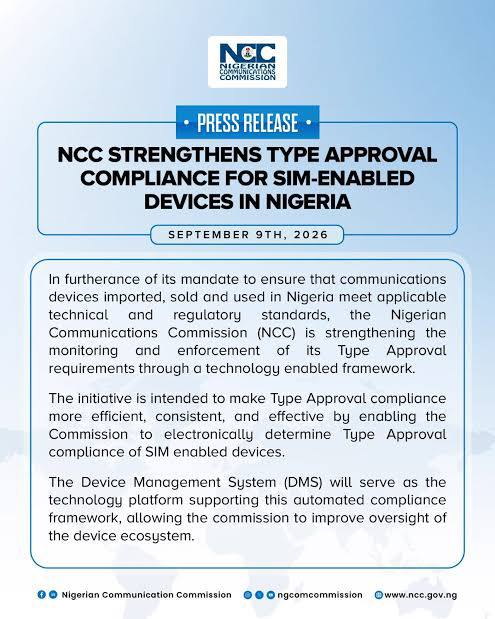
The commission is strengthening its Type Approval enforcement process to ensure that communications equipment sold or used in Nigeria meets applicable technical and regulatory standards.
In its official announcement, the NCC explained that the Device Management System would provide an electronic framework for checking compliance and maintaining a central registry of International Mobile Equipment Identity (IMEI) numbers.
An IMEI is a unique identifier assigned to a mobile device. It helps distinguish one device from another and plays an important role in identifying devices reported stolen or otherwise flagged for restriction.
Through the DMS, the commission aims to improve oversight of devices operating on Nigerian networks, identify non-compliant equipment and strengthen consumer protection.
The system is also intended to make it easier to identify illegally imported devices and restrict stolen phones from accessing telecommunications networks.
Under Section 132(2) of the Nigerian Communications Act 2003, relevant communications equipment must receive the required Type Approval before it can be sold or used in Nigeria.
The NCC’s framework is therefore focused on regulatory compliance at the device level, rather than simply checking whether a phone has an active SIM card.
Also Read:Imose Mobile is turning Nigeria’s homegrown device maker into a telecom operator
Which Devices Could Be Affected?
The DMS framework covers SIM-enabled communications equipment, not just smartphones.
Devices within its scope include:
- Smartphones and other mobile phones
- Tablets with cellular connectivity
- Routers with SIM cards
- Point-of-sale (POS) terminals
- Other SIM-enabled communications equipment
The important distinction is that a device must meet the applicable regulatory requirements. A phone’s brand, price or country of purchase alone does not establish whether it has been approved.
This is particularly relevant to Nigerians who purchase foreign-used smartphones, imported devices or second-hand phones from individual sellers.
A device may be genuine and still require clarification of its Nigerian regulatory approval status. Likewise, an unexpected warning should not be treated as conclusive evidence that the phone is counterfeit.
What Should You Do If Your Phone Is Flagged?
If you receive a warning that your phone has not been verified for use on Nigerian networks, take the following steps before making any decisions.
1. Check the device’s status
Start by using the reported *315# USSD procedure. Follow the available instructions and keep a record of the response.
If the check is unsuccessful or the result is unclear, seek clarification from your network operator or the NCC.
2. Contact the seller
If you recently purchased the phone, contact the seller and ask for evidence that the device meets the applicable NCC Type Approval requirements.
Where necessary, request assistance from an authorised retailer or the device manufacturer.
If the seller cannot resolve the issue, retain your receipt, purchase records and any messages exchanged about the device.
3. Verify the model through official channels
Visit the NCC’s published Type Approval register and look for your device model.
Remember that checking a model’s approval status and confirming the status of an individual device are not necessarily the same thing. Where the two results appear inconsistent, ask the commission for clarification.
4. Do not rush to pay an unofficial registration fee
Be cautious if someone contacts you demanding payment to prevent your phone from being disconnected.
Verify any registration or compliance procedure through the NCC, your network operator or an authorised seller before making a payment. Do not share sensitive account information or disclose verification codes to an unverified contact.
5. Ask about the next steps if the warning persists
If your device continues to appear as unverified despite your checks, ask the NCC or your seller what documentation or corrective action is required.
The reported 30-day warning should not be interpreted as proof that every affected user can resolve the problem by paying a fee. The appropriate next step depends on the reason the device was flagged and the applicable compliance process.
What the New Requirement Means for Phone Sellers
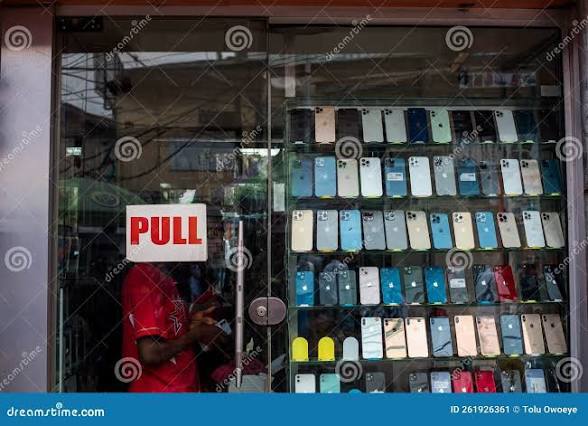
The NCC’s enforcement efforts also place greater emphasis on compliance among manufacturers, importers, distributors and retailers.
The commission’s framework requires relevant communications equipment to meet its Type Approval requirements. Its DMS is intended to help identify devices that do not satisfy those requirements and prevent non-compliant equipment from operating on Nigerian networks.
For retailers, this makes it increasingly important to verify devices before selling them, maintain appropriate supplier documentation and work with manufacturers or authorised distributors when resolving approval issues.
The development could be particularly significant for businesses selling foreign-used phones, since customers may expect a device that works today to remain compatible with Nigerian mobile networks.
Buyers should therefore make device verification part of their purchasing process rather than relying exclusively on a seller’s assurance that a phone is genuine.
Read Also: NCC Orders Telcos to Compensate Nigerians for Poor Network Service
Phone Traders Have Raised Concerns About Registration Costs
The planned device registration framework has also generated concerns among stakeholders in Nigeria’s mobile phone market.
Earlier reports indicated that phone traders objected to compulsory registration fees associated with the initiative, warning that additional costs could eventually be passed on to consumers through higher prices for phones and other connected devices.
The concerns highlight a wider question about how the policy will affect importers, retailers and buyers, particularly those who depend on more affordable foreign-used smartphones.
However, the distinction between the NCC’s Type Approval requirements and the specific costs or procedures applicable to individual devices remains important. Consumers should seek confirmation of any payment obligations through official channels rather than assuming that every phone owner must personally pay a registration fee.
Will the NCC Be Able to Access Your Phone’s Personal Data?
The commission has previously explained that its Device Management System is intended to support device identification and Type Approval compliance.
According to its official announcement, the system maintains device identification information, including IMEI numbers. The NCC also stated that the platform does not give it access to the contents of users’ devices or enable it to monitor their personal communications.
This distinction matters because device identification is not the same as accessing someone’s photos, messages, documents or other personal files.
The DMS is designed to help the commission identify and regulate communications equipment operating on Nigerian networks.
What Nigerians Should Know
The NCC’s device verification initiative introduces an important compliance consideration for people buying and using mobile phones in Nigeria.
For now, users who receive warning messages should verify their devices’ status, contact their sellers where necessary and rely on official guidance to resolve any discrepancies.
People planning to buy new or foreign-used phones should also check the device’s approval status before completing a purchase.
Although the reported 30-day warnings have raised concerns among phone owners, a verification alert alone should not be treated as proof that a device is fake. The appropriate response is to establish why the phone was flagged and what steps, if any, are required to resolve the issue.
Have you received an NCC-Checker message on your phone? Share your experience in the comments, and let us know whether the *315# check worked for you.