

Free apps are everywhere. From social media and games to productivity tools and fitness trackers, everything seems free.
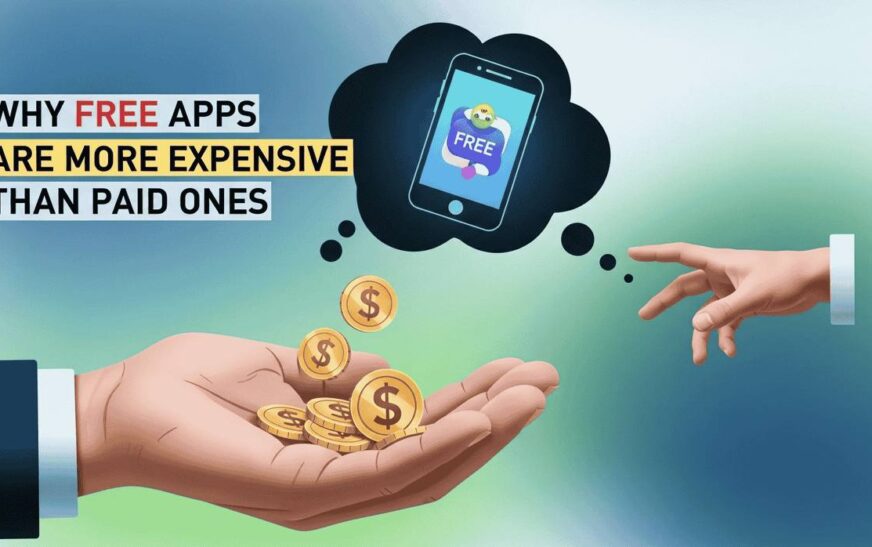
But here’s the uncomfortable truth: free apps are more expensive than paid ones, just not in the way you think.
You might not pay money upfront, but you’re paying with your time, attention, privacy, and sometimes your sanity. Let’s dive into how “free” apps quietly cost more than apps you actually pay for.
The Real Price of “Free” Apps
When an app is free, you are often the product.
Free apps make money by:
- Showing ads
- Collecting and selling your data
- Offering in-app purchases
- Locking features behind subscriptions
The app may be free to download, but staying sane while using it? That’s where the real cost comes in.
Also Read: This Week in Crypto: Market Recap, Big Gainers & Crypto
Ads Steal More Than You Think
Ads don’t just waste time, they drain your focus and energy.
Think about it:
- You open an app for 2 minutes
- You scroll past 5 ads
- Suddenly you’re trapped for 20 minutes
That’s not accidental. Free apps are designed to keep you engaged, because your attention = revenue. Paid apps? They want you in and out fast.
Time is money. Free apps take both.
Your Data Is the Real Currency
Free apps often collect:
- Location data
- Search history
- Device and usage info
- Contact lists
All this data is analyzed, sold, or shared with advertisers. You don’t see a bill, but your digital footprint becomes a cost, targeted ads, privacy loss, and constant manipulation.
Paid apps usually don’t need to do this. You already paid.
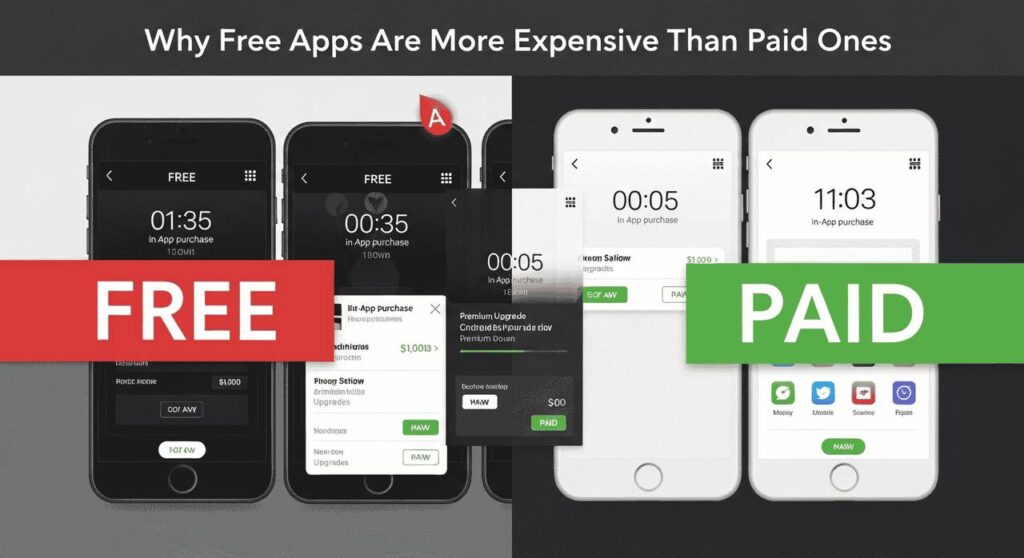
Hidden Subscriptions: The Trap of “Free”
Free apps love to sneak in subscriptions:
- Locking the best features
- Constant upgrade pop-ups
- “Free trials” that auto-renew
Many people end up paying more monthly for free apps than they would have paid once for a premium app upfront.
It’s not a bug; it’s the business model.
Free Apps Are Designed to Be Addictive
Free apps are built for engagement, not usefulness:
- Infinite scrolling
- Dopamine-triggering notifications
- Habit loops that keep you coming back
Paid apps, on the other hand, focus on:
- Solving a specific problem
- Clean, distraction-free interfaces
- Respecting your time
One drains you. The other saves you.
Read Also: 8 Tech Leaders Shares Real Career Growth Lessons for 2026
When Paid Apps Are Actually Cheaper
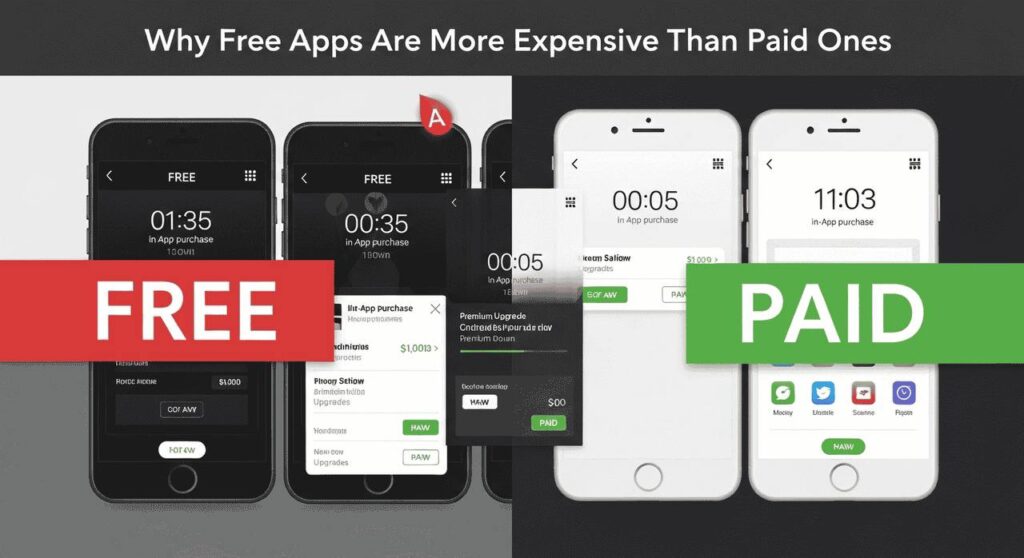
Paid apps often:
- Have no ads
- Respect your privacy
- Work offline
- Save time and frustration
Paying once can be cheaper than:
- Watching hundreds of ads
- Losing hours every week
- Managing multiple subscriptions
In the long run, paid apps often cost less; mentally, emotionally, and financially.
So… Are Free Apps Always Bad?
Not necessarily. Some free apps are genuinely helpful and harmless.
The key question is:
What is this app really costing me over time?
If an app makes money without you noticing, you’re probably paying in ways that matter more than cash.
Final Verdict
Free apps are more expensive than paid ones because they charge you in invisible ways — attention, data, time, and focus.
Sometimes, the smartest upgrade isn’t “Premium.”
It’s choosing apps that respect your time and privacy.
Key Takeaways
- Free apps monetize your attention and data
- Ads and hidden subscriptions add unexpected costs
- Paid apps often save time and mental energy
- “Free” is rarely free in the long run
Do you prefer free apps or paid ones, and why? Share your thoughts in the comments below