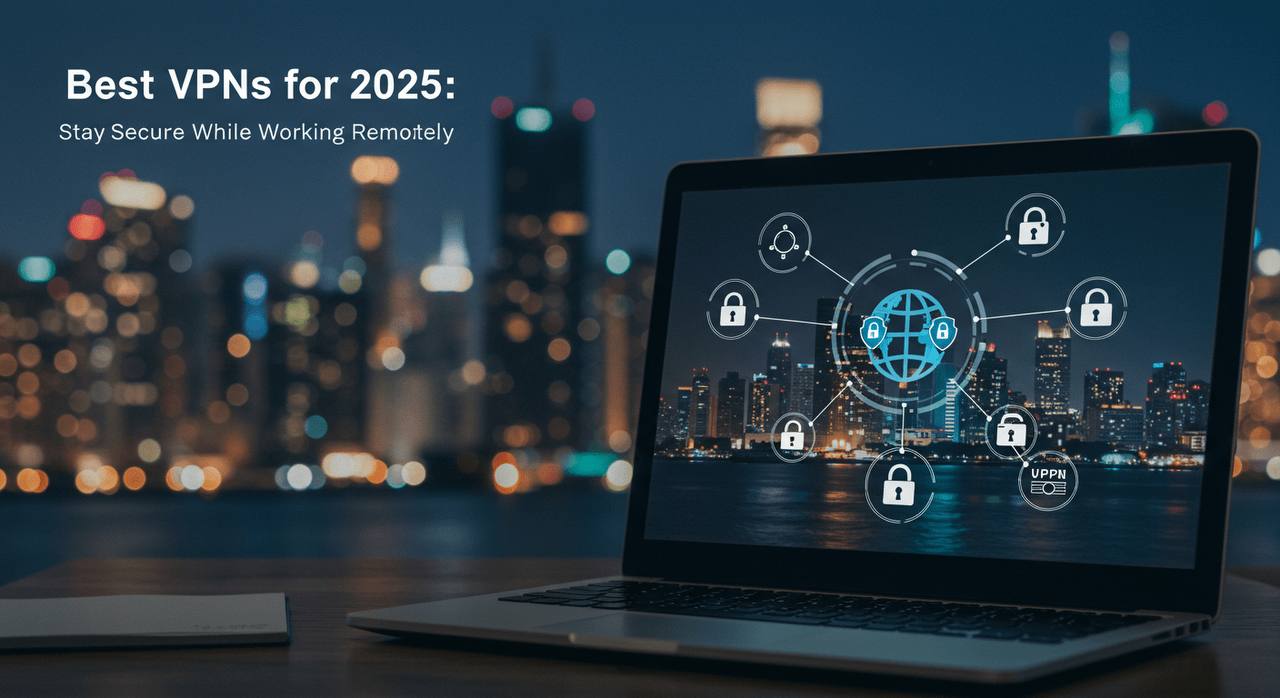



The internet in 2025 is faster, smarter, and more connected than ever before. But with this growth comes a greater risk: your personal data is more vulnerable to leaks, hacks, and misuse. From phishing scams to AI-powered cyberattacks, threats to online privacy are evolving. If you want to stay safe, you need to take proactive steps to secure personal data in 2025.
In this guide, we’ll break down proven online privacy tips that you can start using today. Whether you’re a student, professional, or business owner, these simple yet powerful strategies will keep your digital identity protected.
1. Use Strong, Unique Passwords for Every Account
Still using “123456” or your birthday as a password? Cybercriminals love that. In 2025, password cracking tools powered by AI can break weak logins in seconds.
The solution:
- Use a password manager like LastPass, Bitwarden, or 1Password to generate strong, random passwords.
- Never reuse passwords across accounts.
- Enable two-factor authentication (2FA) wherever possible.
By making this one change, you drastically reduce the chances of your data being stolen.
2. Protect Your Browsing with a VPN
Your browsing history is valuable—advertisers and hackers know it. Without protection, your data can be intercepted on public Wi-Fi or tracked across sites.
Using a VPN (Virtual Private Network) ensures your connection is encrypted and private. The best VPNs in 2025 not only hide your IP address but also block malicious websites and trackers.
Top picks: NordVPN, ExpressVPN, and ProtonVPN. If you’re not sure which one is right for you, check out our full guide on the Best VPNs for 2025.
If you regularly shop online or access banking apps, a VPN is a must-have tool for online privacy.
3. Keep Your Software and Devices Updated
Old software is a goldmine for hackers. Every outdated app or system creates a loophole for malware.
Set your devices to automatic updates for:
- Operating systems (Windows, macOS, iOS, Android).
- Antivirus and security software.
- Browsers and extensions.
Regular updates patch vulnerabilities before cybercriminals exploit them.
4. Be Smart About Public Wi-Fi
Public Wi-Fi may be free, but it’s also a playground for hackers. Man-in-the-middle attacks are common, where cybercriminals intercept your data while you’re connected.
Safety tips:
- Never log into banking apps or shop online using unsecured Wi-Fi.
- Always connect through a VPN when using public hotspots.
- Consider using your phone’s mobile hotspot instead.
5. Limit What You Share on Social Media
Oversharing makes you a target. Posting your travel plans, workplace details, or personal milestones might seem harmless—but attackers can use this information to impersonate you or crack your accounts.
In 2025, cybercriminals use AI deepfakes to mimic voices and faces. The more personal data you share online, the easier it is for them to scam your friends, family, or colleagues.
Privacy checklist:
- Keep accounts private.
- Avoid posting sensitive details like home addresses or ID documents.
- Review and adjust privacy settings regularly.

6. Use Encrypted Messaging Apps
Regular SMS is not secure. In 2025, end-to-end encrypted messaging apps like Signal, WhatsApp, and Telegram are the safest way to chat. They prevent outsiders—including hackers and even service providers—from reading your messages.
For business and work communication, always choose platforms with verified security certifications.
7. Stay Alert to Phishing and Scam Attempts
Phishing is still one of the biggest threats in 2025, now supercharged with AI-generated emails and realistic fake websites.
How to protect yourself:
- Double-check the sender before clicking links.
- Look for HTTPS (padlock icon) on websites before entering personal details.
- Be skeptical of “too good to be true” offers.
Remember: If an email or message feels off, it probably is.
Conclusion
In today’s digital world, your data is as valuable as money. Hackers are more sophisticated than ever, but with the right tools and habits, you can stay one step ahead.
To secure personal data in 2025, focus on strong passwords, VPNs, encrypted apps, and cautious online behavior. Protecting your privacy isn’t just an option anymore—it’s a necessity.
Want more online privacy tips and tech insights? Subscribe to our blog and get weekly guides that keep you safe and ahead in the digital world. Don’t just browse—browse smart.