

In 2014, a rumour spread across Nigeria claiming that drinking salt water or bathing with it could prevent Ebola. People rushed to try the supposed remedy, and reports linked excessive salt consumption to deaths and hospitalisations.
Ironically, the same technology that helped spread the rumour also gave health authorities and fact-checkers a way to debunk it.
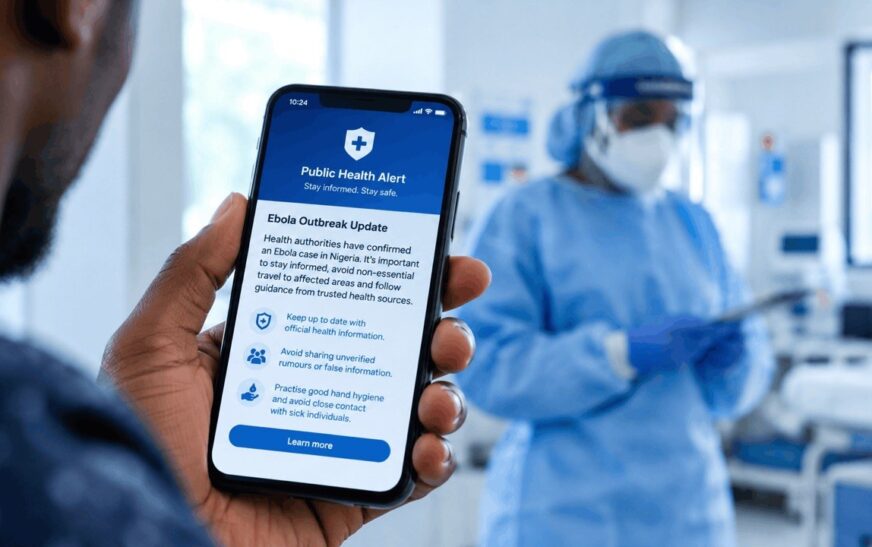
More than a decade later, Nigeria faces another Ebola scare, and smartphones remain a major part of the country’s public health response.
On October 20, 2026, the Federal Government confirmed an imported case of Ebola Bundibugyo virus disease in the Federal Capital Territory (FCT). The patient is receiving medical care in isolation, while authorities have begun contact tracing.
The government initially identified 44 contacts, including healthcare workers, patients, caregivers and travel contacts. Investigations into the patient’s travel and possible exposure history are ongoing.
As officials work to contain the infection, your smartphone can help you access reliable information, contact health authorities and avoid dangerous rumours. It can also expose you to fake cures, misleading health advice and opportunistic scammers.
Here are eight ways your phone can help or harm you during the outbreak.
How Your Phone Can Help
1. Call 6232 Before Visiting a Hospital
One of the most important numbers to save right now is 6232, the toll-free helpline operated by the Nigeria Centre for Disease Control and Prevention (NCDC).
The helpline provides access to public health information and guidance on infectious diseases. It is available 24 hours a day.
If you think you may have been exposed to Ebola and subsequently develop symptoms, avoid close contact with others and call the NCDC for instructions before travelling to a hospital.
This helps health authorities assess the situation and direct you to appropriate care while reducing the risk of exposing other people.
If contact tracers reach you because you may have been exposed, cooperate with their instructions and provide accurate information about your movements and contacts.
Tip: Save 6232 in your contacts now instead of waiting until you need it.
2. Use Telemedicine Carefully
Your phone can connect you to a licensed healthcare professional without requiring an immediate trip to a clinic.
Telemedicine services allow patients to discuss symptoms, receive medical advice and determine what kind of care they need. Platforms operating in Nigeria include Rigour Plus, MyMedicalBank and Health Connect 24×7. Check each provider’s current availability and credentials before using its services.
Read Also: Telemedicine in Nigeria: Everything You Need to Know About Virtual Healthcare
However, Ebola symptoms can resemble those of other illnesses, including malaria and Lassa fever. Symptoms alone cannot reliably establish which infection someone has.
If you have a possible Ebola exposure, or develop concerning symptoms after relevant travel or contact, do not rely on a routine telemedicine appointment to rule out Ebola. Call 6232 first and follow public health instructions.
For an ordinary health concern without a known exposure, telemedicine may be a convenient way to get professional advice.
3. Follow Official Health Channels
During an outbreak, information can change quickly. Following credible sources helps you distinguish confirmed developments from speculation.
Prioritise updates from the Federal Ministry of Health and Social Welfare, the NCDC, the World Health Organisation (WHO) and the Africa Centres for Disease Control and Prevention (Africa CDC).
Read statements in full rather than relying on screenshots or headlines circulating on social media.
For example, Nigeria’s announcement described the patient as a woman who had recently arrived from Uganda. Uganda’s health authorities, meanwhile, reported that she had travelled to the eastern Democratic Republic of the Congo for business and transited through Uganda.
Investigators are still examining the circumstances surrounding her infection. Her travel history should not be treated as definitive proof of where she contracted the virus.
Read Also: 7 Digital Pharmacy Platforms Changing How Nigerians Buy Medicine in 2026
The lesson is simple: distinguish confirmed facts from information that is still being investigated.
4. Fact-Check Messages Before Forwarding Them
WhatsApp broadcasts, voice notes and social media posts can reach thousands of people before anyone checks whether they are true.
That makes fact-checking an important part of outbreak preparedness.
Platforms such as Dubawa and Africa Check publish investigations into misleading claims, including health-related misinformation.
Before forwarding an alarming message, check whether it cites a credible source, whether the information appears in official health updates and whether reputable fact-checkers have investigated the claim.
Ebola is not spread through the air in the same way as illnesses such as measles. According to public health guidance, transmission occurs primarily through direct contact with the blood or body fluids of an infected person who has symptoms, or through contaminated materials. Specific precautions may be necessary in healthcare settings.
If a viral message claims that Ebola spreads through casual conversation, recommends an unproven cure or instructs people to consume dangerous substances, verify it before sharing.
Your decision not to forward a false claim could prevent unnecessary panic and harmful behaviour.
How Your Phone Can Harm You
5. Fake Cures and Scary WhatsApp Forwards
The 2014 salt-water rumour is a reminder that misinformation can have consequences beyond social media arguments.
During a public health emergency, people are often anxious for quick solutions. Scammers and misinformation peddlers exploit that fear by circulating unproven remedies, exaggerated death figures and warnings supposedly issued by health authorities.
Some messages use familiar tactics: a claim that the government is hiding information, a supposed doctor’s voice note or an instruction to forward the message to everyone you know.
Do not treat a message as credible simply because it comes from a relative, friend or trusted WhatsApp group.
The NCDC has an established record of publishing official information about infectious diseases. Check its verified channels or contact its helpline before acting on questionable advice.
Most importantly, do not replace professional medical guidance with a remedy recommended in a forwarded message.
6. Don’t Let Google or AI Diagnose You
Search engines and artificial intelligence chatbots can explain health information, but neither should be used to diagnose Ebola.
The disease can cause symptoms such as fever, severe weakness, headache, vomiting and diarrhoea. These symptoms overlap with several other illnesses, making self-diagnosis particularly unreliable.
Searching for symptoms online can produce frightening results that do not reflect your actual risk. On the other hand, an AI chatbot might give you false reassurance if you provide incomplete information about your symptoms or possible exposure.
Neither a search engine nor an AI chatbot can confirm whether you have Ebola. That requires appropriate medical assessment and laboratory testing.
If you may have been exposed, contact the NCDC on 6232 and follow its instructions instead of spending hours comparing symptoms online.
Technology is useful for understanding health information. It should not become a reason to delay appropriate care.
7. Watch Out for Fake Accounts and Fundraising Scams
Public health emergencies create opportunities for scammers to exploit people’s generosity and fear.
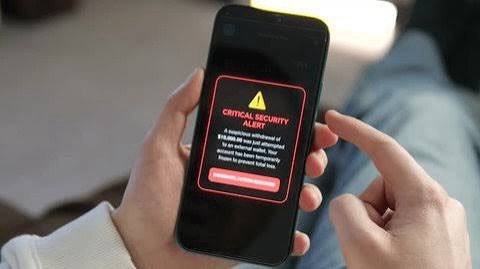
Fraudsters may create fake donation pages, impersonate health officials or circulate personal account numbers while claiming to raise money for patients and affected families.
The same tactics have appeared during other crises, including COVID-19, when misinformation and impersonation accounts complicated public communication.
Social media platforms can also host sophisticated scams that use fabricated identities, misleading images or AI-generated content to make fraudulent appeals appear legitimate.
Before donating to an Ebola-related fundraiser, verify the organisation or beneficiary independently. Look for official announcements, check whether the appeal is acknowledged by a credible institution and be cautious of requests for urgent transfers to personal accounts.
A verified-looking profile, convincing video or large number of followers does not automatically make a fundraiser legitimate.
If an appeal claims to represent the government or a recognised health organisation, confirm it through that organisation’s official channels before sending money.
Also Read: How to Tell If Your Phone Has Been Hacked or Compromised
8. Don’t Share Patients’ Names, Photos or Graphic Videos
When a disease outbreak becomes a trending topic, social media users may rush to identify patients, reveal hospital locations or circulate disturbing videos.
Avoid participating in this behaviour.
The government has not publicly identified the patient in its announcement. Speculating about her identity, publishing private information or accusing people of being contacts can expose innocent individuals to harassment and stigma.
It can also discourage people who may have been exposed from reporting symptoms or cooperating with contact tracers because they fear public humiliation.
The same principle applies to graphic images, unverified hospital videos and screenshots containing personal information.
Share verified public health advice, not private details about patients or people who may have been exposed.
Protecting privacy is not about hiding important information. It is about allowing trained health authorities to conduct investigations without exposing individuals to unnecessary harm.
The Bottom Line
Your phone cannot stop Ebola by itself, but it can help you find reliable information, contact health authorities and avoid spreading dangerous misinformation.
It can also amplify fake cures, encourage self-diagnosis, expose people to scams and turn private medical information into public gossip.
Nigeria successfully contained its 2014 Ebola outbreak through public health interventions, including surveillance, contact tracing and coordinated response efforts. The country is now drawing on that experience as authorities respond to the newly confirmed case.
For now, save the NCDC’s toll-free number, 6232, follow official health updates, practise good hand hygiene and verify alarming claims before forwarding them.
In a public health emergency, using your phone responsibly is a small action that can make a meaningful difference.
Follow our latest technology and digital safety coverage to learn how emerging threats, online scams and misinformation affect everyday life.