


Africa’s push toward renewable energy is gaining serious momentum as imports of Chinese solar panels continue to rise sharply across the continent. New customs data from China shows that solar panel exports to African countries surged significantly in April 2026, highlighting growing investments in clean energy infrastructure amid persistent electricity shortages and rising fuel costs.
The latest figures point to a broader shift in Africa’s energy landscape, where governments, businesses, and rural communities are increasingly turning to solar power as a practical solution to unreliable electricity access.
African Solar Demand Continues to Rise
According to recently released Chinese customs data, exports of solar panels from China to African countries climbed by 83% year-on-year in April 2026.
The continent imported approximately 123,787 metric tons of solar equipment during the month, a major jump compared to the 67,552 metric tons recorded in April 2025.
Although April’s numbers were lower than the unusually high figures seen in March 2026, analysts say the trend still confirms that demand for renewable energy across Africa remains strong and sustainable.
Earlier concerns suggested imports might slow after China officially ended its export tax rebate policy on April 1, 2026. The policy change was expected to increase costs for international buyers and potentially weaken global demand.
Instead, African countries continued importing large volumes of solar panels, signaling that the continent’s energy needs are outweighing pricing concerns.
Why Africa Is Increasing Solar Investments
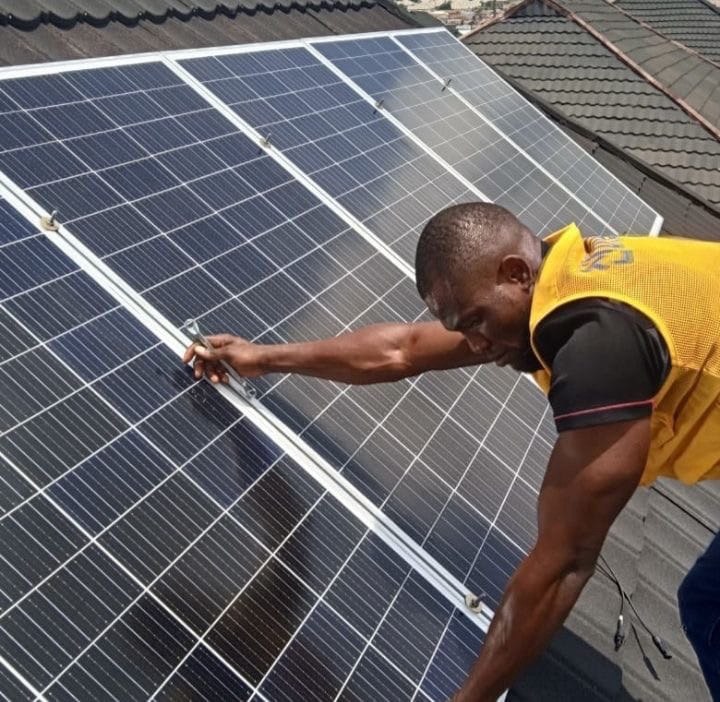
Several African countries are currently dealing with worsening electricity challenges, including unstable national grids, rising diesel costs, and limited rural electrification.
Solar power is increasingly being viewed as one of the fastest and most affordable ways to close the energy gap.
Across the continent, governments are investing in:
- Utility-scale solar farms
- Rural mini-grid systems
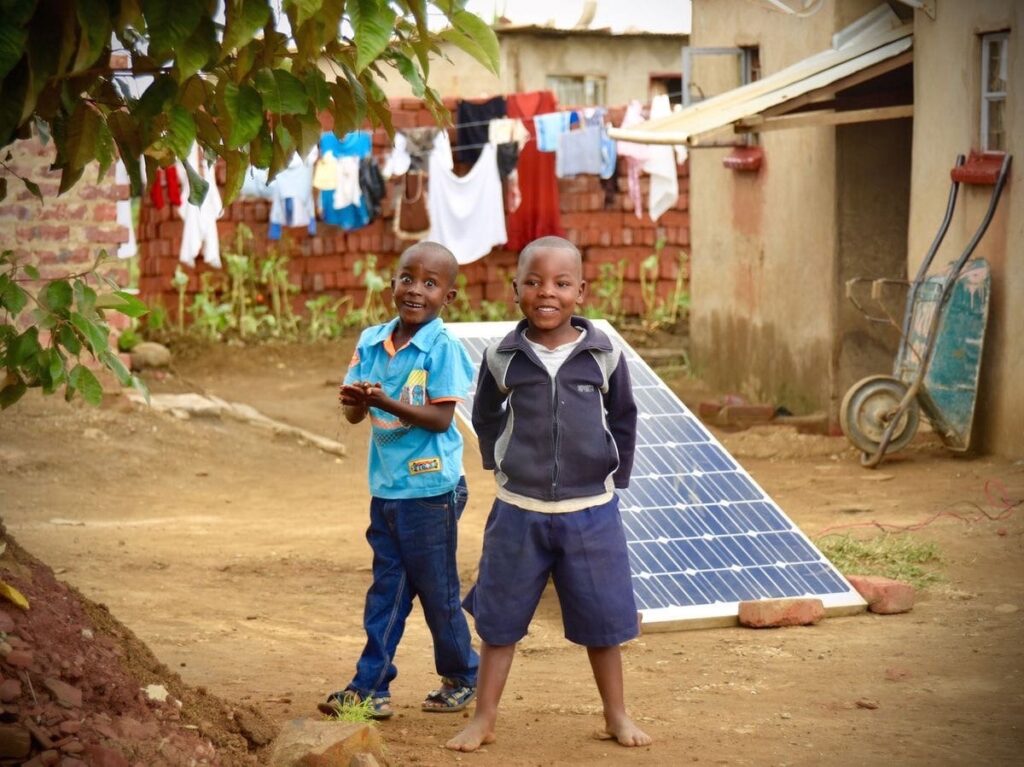
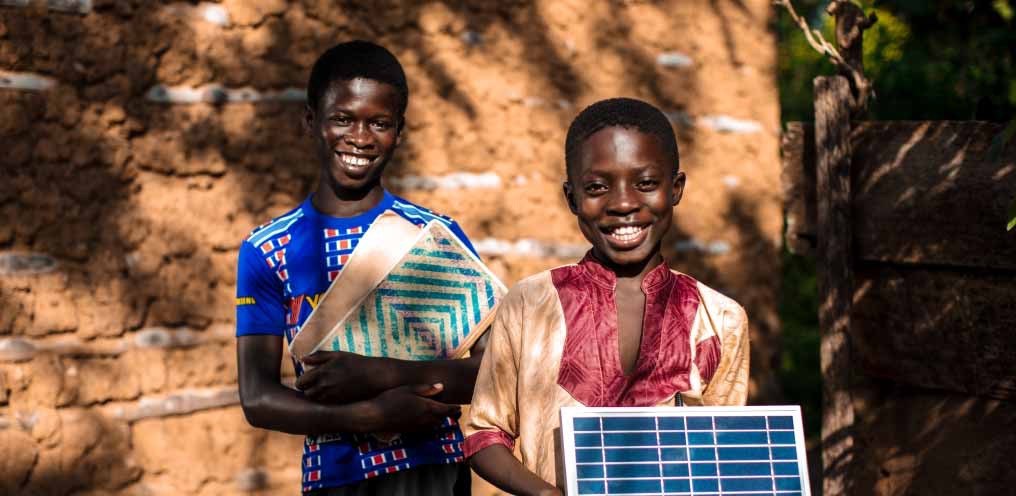
- Off-grid household solar solutions
- Commercial renewable energy projects
- Battery storage infrastructure
The declining cost of solar technology over the past decade has also made adoption easier for developing economies looking to reduce dependence on fossil fuels.
Countries including Nigeria, South Africa, Ethiopia, and the Democratic Republic of the Congo are among those expanding renewable energy projects to improve electricity access and support economic growth.
South Africa and DRC Lead Import Growth
Among African nations, South Africa remained the continent’s biggest importer of Chinese solar panels in April 2026.
Imports into the country rose by more than 81% compared to the same period last year, reflecting the country’s aggressive renewable energy expansion efforts amid ongoing power supply challenges.
However, the most dramatic increase came from the Democratic Republic of the Congo.
The DRC recorded a massive 482% increase in solar panel imports, reaching nearly 18,000 metric tons in April alone.
The country continues to face one of the lowest electricity access rates globally, with millions of residents lacking stable power supply. The sharp increase in solar imports suggests growing efforts to address long-standing infrastructure deficits through renewable energy deployment.
China Maintains Dominance in Global Solar Supply
China continues to dominate the global solar manufacturing industry, supplying a large percentage of the world’s photovoltaic panels and renewable energy hardware.
Even with policy adjustments affecting export incentives, Chinese manufacturers remain central to the global clean energy supply chain due to their large-scale production capacity and competitive pricing.
Globally, Chinese solar exports saw mixed trends in April 2026:
- Exports to Southeast Asia rose sharply year-on-year
- European imports remained relatively stable
- Some regions in South Asia and the Middle East experienced slower shipment volumes
Despite these regional fluctuations, Africa emerged as one of the strongest growth markets for solar exports.
Industry observers believe the continent could become one of the fastest-growing renewable energy markets globally over the next decade, particularly as population growth, urbanization, and digital expansion increase electricity demand.
Africa’s Renewable Energy Transition Is Accelerating
The latest solar import data reinforces a larger trend: Africa’s transition toward cleaner energy sources is speeding up.
With many countries seeking alternatives to expensive fuel imports and aging electricity infrastructure, renewable energy is becoming both an economic and strategic priority.
Solar power, in particular, offers advantages that fit Africa’s needs:
- Faster deployment compared to traditional power plants
- Lower operational costs over time
- Better access for remote communities
- Reduced dependence on imported fossil fuels
- Improved energy security
As investment in renewable energy infrastructure grows, analysts expect solar adoption across Africa to continue rising throughout 2026 and beyond.
What This Means for Nigeria
For Nigeria, the surge in African solar adoption comes at a critical time.
The country continues to battle high electricity costs, fuel subsidy pressures, and inconsistent power supply. Solar energy is increasingly becoming an attractive option for households, businesses, schools, and tech hubs looking for stable electricity alternatives.
Nigeria’s growing demand for inverters, solar panels, and battery systems reflects the wider continental shift toward decentralized energy solutions.
Experts believe that continued investment in local renewable energy policies, financing, and infrastructure could position Nigeria as one of Africa’s largest solar markets in the coming years.
Conclusion
China’s rising solar exports to Africa highlight more than just trade growth, they reflect a major transformation in how African countries are approaching energy development.
Despite concerns over global pricing changes, demand for solar technology across the continent remains strong, driven by urgent electricity needs and long-term sustainability goals.
As countries continue expanding renewable energy projects, solar power is expected to play an increasingly important role in Africa’s economic development, energy security, and digital future.
Similar Read: Nigeria Activates DNSSEC to Boost Security and Trust in .ng Domains