

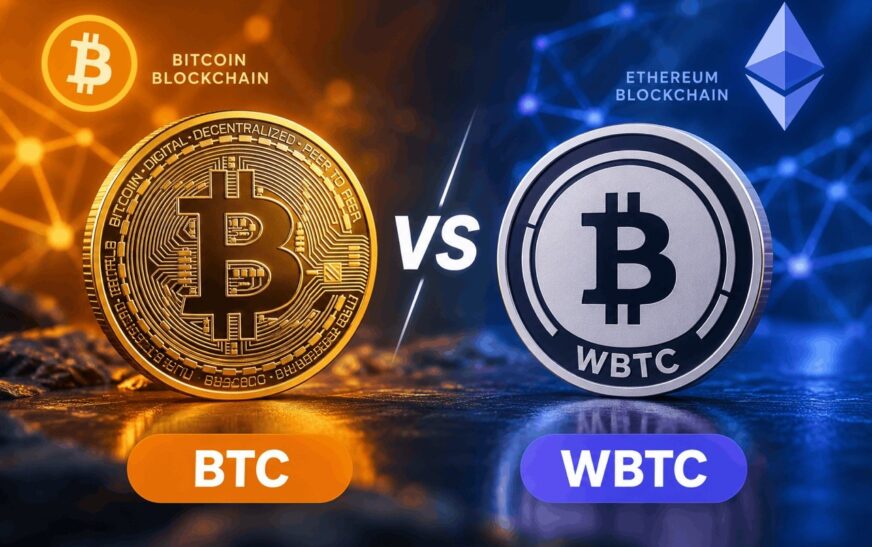
Bitcoin (BTC) is the original cryptocurrency that runs on its own blockchain. Wrapped Bitcoin (WBTC), on the other hand, is a token backed by Bitcoin that allows users to access Ethereum-based decentralised finance (DeFi) applications.
Although both are designed to follow Bitcoin’s price, they differ in how they work, who controls the underlying assets, and the risks involved.
Understanding these differences can help you decide whether to hold Bitcoin directly or use WBTC for activities such as lending, borrowing, and providing liquidity on Ethereum.
BTC vs WBTC: Key Differences at a Glance
| Feature | Bitcoin (BTC) | Wrapped Bitcoin (WBTC) |
|---|---|---|
| Blockchain | Bitcoin | Ethereum and supported networks |
| Asset type | Native cryptocurrency | Token backed by Bitcoin |
| Custody | You can control your own BTC | Depends on custodians and the reserve system |
| Main use | Holding and transferring Bitcoin | Using Bitcoin value in DeFi applications |
| Transaction fees | Bitcoin network fees | Ethereum gas fees when using Ethereum |
| Main risk | Losing access to your private keys | Custody, smart contract and redemption risks |
The biggest difference is that BTC is Bitcoin itself, while WBTC represents Bitcoin held in reserve. WBTC makes Bitcoin’s value accessible to Ethereum applications, but it introduces additional parties and technical systems that users must trust.
What Is Wrapped Bitcoin (WBTC)?
Launched on January 31, 2019, Wrapped Bitcoin is an Ethereum-based ERC-20 token designed to maintain a 1:1 relationship with Bitcoin.
In principle, each WBTC represents one BTC held in reserve. This allows users to access Bitcoin’s value within Ethereum’s ecosystem without moving native Bitcoin directly onto the Ethereum blockchain.
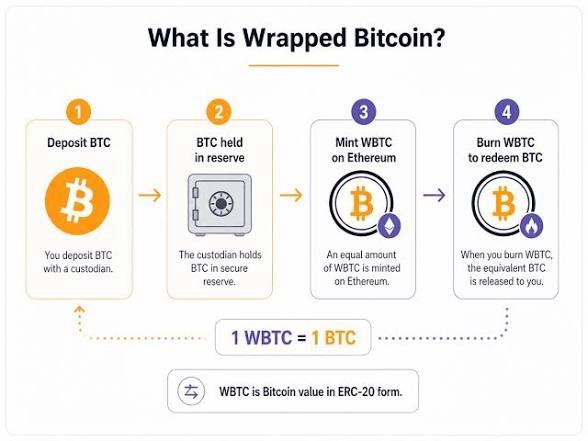
For example, someone holding BTC cannot directly deposit it into an Ethereum lending application that only accepts ERC-20 tokens. They may be able to use WBTC instead, provided the application supports it.
Authorised merchants facilitate the minting and redemption process, while custodians hold the underlying Bitcoin. Users who deal directly with these merchants may need to complete identity verification.
However, WBTC is not identical to BTC. Its backing, redemption process, and market price all matter. Although it is designed to track Bitcoin at a 1:1 ratio, its market price can occasionally differ from BTC’s price.
How Is WBTC Backed and Who Controls It?
WBTC’s backing and custody arrangements have changed over time, making them important considerations for anyone planning to use the token.
BitGo initially served as WBTC’s sole custodian. In August 2024, the company announced a joint venture involving BiT Global, leading to changes in how custody of the reserves was managed.
Under a plan announced in March 2026, BiT Global was to hold two of the three vault keys, while BitGo retained the third through its US technology entity. The arrangement was intended to distribute control across multiple locations.
However, the planned handover was due to be completed by May 1, 2026, and public confirmation of its completion had not been established in the information available as of October 26, 2026.
On October 19, WBTC also announced plans to move its reserves to new Bitcoin deposit addresses and explore a multi-custodian model.
These developments highlight an important consideration: WBTC holders depend on more than Bitcoin’s price. They also depend on the security of the reserves, the custody arrangements, and the ability to redeem their tokens.
Before making a large conversion, users should check current reserve information and official project announcements.
BTC vs WBTC vs cbBTC vs tBTC
WBTC is not the only option for bringing Bitcoin’s value into Ethereum-based applications. Other alternatives include Coinbase Wrapped BTC (cbBTC) and Threshold Bitcoin (tBTC).
| Asset | How it works | Main consideration |
|---|---|---|
| BTC | Native Bitcoin on the Bitcoin blockchain | Self-custody gives you direct control of your coins |
| WBTC | Bitcoin-backed token with a custodial reserve | Depends on custodians, merchants and smart contracts |
| cbBTC | Coinbase-issued wrapped Bitcoin | Relies on Coinbase’s custody arrangements |
| tBTC | Wrapped Bitcoin using Threshold’s decentralised bridge system | Depends on its protocol and participating operators |
These options differ in their custody arrangements, access requirements, and fees. The right choice depends on the application you want to use and the level of third-party risk you are comfortable accepting.
Read Also: Bitcoin Tops $77,000 as ETF Inflows Surge and Short Squeeze Fuels Rally
Always confirm which token a DeFi platform supports before converting your BTC.
What Are the Risks of Using WBTC?
WBTC can be useful, but wrapping Bitcoin introduces risks that do not apply in the same way to native BTC.
1. Custody risk
The Bitcoin backing WBTC is held in reserve. Problems affecting the custodians or their ability to manage the assets could affect redemption and confidence in the token.
2. Smart contract vulnerabilities
WBTC relies on smart contracts to operate within Ethereum’s ecosystem. A vulnerability or exploit could lead to financial losses.
3. Network and transaction errors
Sending WBTC to an incompatible address or selecting the wrong network can result in lost or inaccessible funds. Always confirm the receiving network before making a transaction.
4. Exchange delistings
A cryptocurrency exchange can stop supporting a token even if the token continues to operate on its blockchain. Coinbase, for example, suspended WBTC trading on December 19, 2024.
5. Redemption and price differences
WBTC is designed to maintain a 1:1 relationship with BTC, but its market price can temporarily diverge. Redemption may also require using an authorised merchant and completing identity verification.
These risks do not necessarily make WBTC unsuitable. They mean users should understand the system behind the token before committing funds.
When Should You Use BTC or WBTC?
The choice largely depends on what you want to do with your Bitcoin.
Choose BTC if:
- You want to hold Bitcoin for the long term.
- You prefer controlling your own private keys.
- You want to transfer Bitcoin on its native network.
- You do not need access to Ethereum-based DeFi applications.
Consider WBTC if:
- You want to use Bitcoin’s value in supported Ethereum DeFi applications.
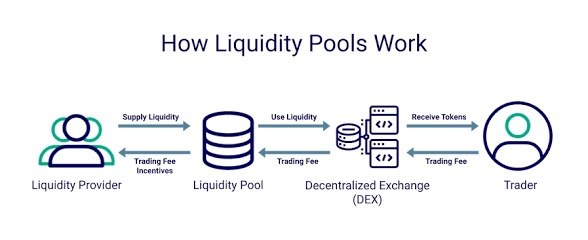
- You plan to participate in lending, borrowing, or liquidity pools.
- The application specifically accepts WBTC.
- You understand the additional custody and smart contract risks.
If your goal is simply to own Bitcoin, wrapping it may add unnecessary complexity. WBTC makes more sense when you have a specific use for it within a supported blockchain ecosystem.
How Can You Convert BTC to WBTC?
You can obtain WBTC through supported cryptocurrency exchanges, authorised merchants, or swap services that offer the conversion.
ChangeNOW is one option for swapping BTC for WBTC. Its standard swap process does not require an account, although identity verification or other compliance checks may still apply.
The general process is straightforward:
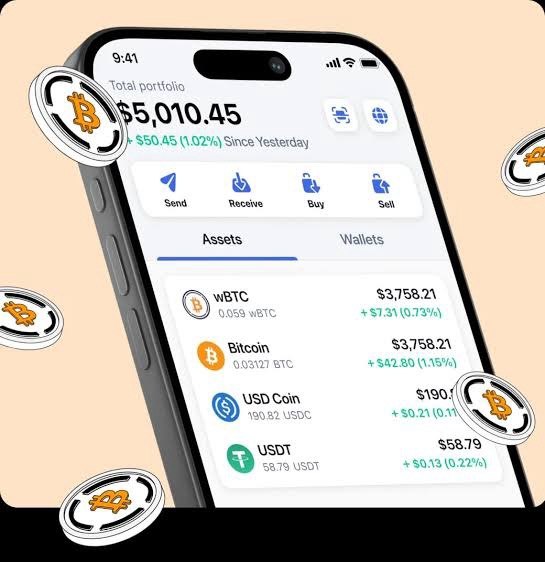
- Select BTC as the cryptocurrency you want to exchange and WBTC as the asset you want to receive.
- Enter the amount and review the exchange rate and estimated fees.
- Provide an Ethereum wallet address that supports WBTC on the specified network.
- Send BTC to the deposit address provided by the service.
- Wait for the transaction to be processed and confirm that the WBTC arrives in your wallet.
Before proceeding, check the final quote, minimum transaction amount, network fees, and any applicable verification requirements.
Remember that receiving WBTC on Ethereum also means you will generally need some ETH to pay gas fees when transferring or interacting with the token later.
Also Read: Binance’s Latest Milestone Shows How Fast Crypto Is Growing
Frequently Asked Questions
Is WBTC worth exactly the same as BTC?
WBTC is designed to maintain a 1:1 relationship with Bitcoin, but its market price can temporarily differ from BTC’s price. Check the exchange rate and conversion quote before making a transaction.
Can I send WBTC to a Bitcoin wallet?
No. WBTC on Ethereum is an ERC-20 token, so it requires a compatible Ethereum address. Sending it to a Bitcoin address is not a valid way to transfer the token.
Is WBTC safe to hold?
WBTC’s risks include custodial arrangements, smart contract vulnerabilities, and redemption limitations. Its suitability depends on your intended use and your tolerance for these risks.
Should I hold BTC or WBTC?
For straightforward Bitcoin ownership, native BTC offers a more direct option, particularly if you control your own keys. WBTC is useful when you specifically need Bitcoin exposure within an application that supports the token.
Final Thoughts
BTC and WBTC may track the same underlying asset, but they serve different purposes.
Bitcoin offers direct access to the original cryptocurrency network, while Wrapped Bitcoin extends Bitcoin’s usefulness to Ethereum-based applications. That flexibility comes with additional dependencies involving custodians, smart contracts, and redemption arrangements.
For long-term Bitcoin ownership, native BTC may be the simpler choice. If you want to use Bitcoin’s value in DeFi, WBTC can be useful, provided you understand its risks and confirm that your chosen platform supports it.
Disclaimer: This article is for informational purposes only and should not be considered financial or investment advice.