

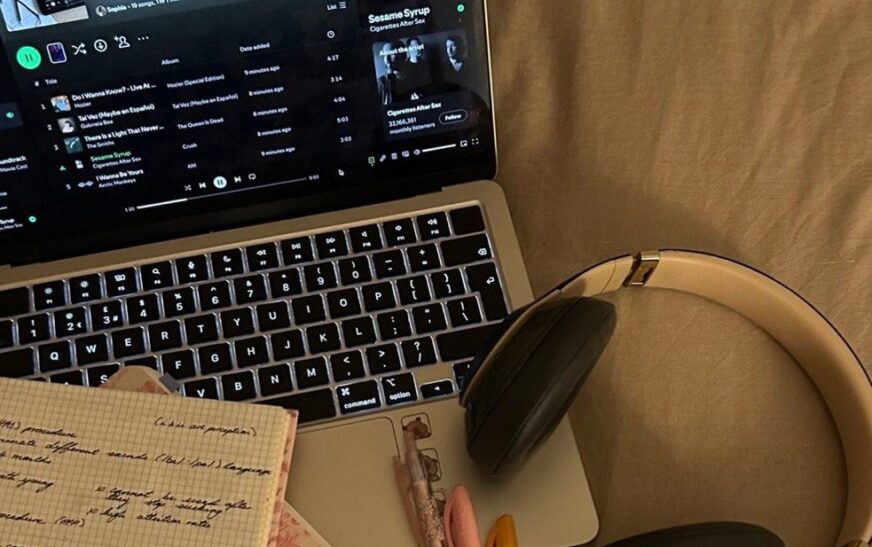
Studying in a noisy environment can make it surprisingly difficult to stay focused. Between conversations, traffic, music playing in the background and constant notifications, even a simple reading session can quickly become a battle for your attention.
That is where a good pair of headphones can make a difference.
Headphones for studying are not just about listening to music. They can help create a more controlled study environment, make educational content easier to follow and even allow students to attend online classes or study in places where complete silence is impossible.
However, headphones are not a magic productivity tool. The right pair can support good study habits, but what you listen to, and how you use them, matters just as much.
Here are five practical ways headphones can improve your study sessions.
1. They Can Reduce Distractions
One of the biggest advantages of headphones is their ability to reduce unwanted background noise.
If you are studying in a hostel, shared apartment, library or busy home, conversations and other sounds can constantly pull your attention away from your work. Research involving students in open-plan study environments has found that background sound can increase perceived disturbance, particularly during reading and other cognitively demanding tasks.
Noise-cancelling headphones can be especially useful in these situations.
Instead of repeatedly trying to ignore what is happening around you, you can create a quieter environment and spend more of your attention on your textbook, assignment or revision material.
You do not necessarily need expensive active noise cancellation, either. Even headphones that provide good passive noise isolation can help reduce some surrounding sounds.
The goal is not complete isolation. It is creating an environment where unnecessary sounds are less likely to interrupt your concentration.
2. You Can Listen to Educational Content While Studying
Headphones also make it easier to turn your study time into an audio-learning session.
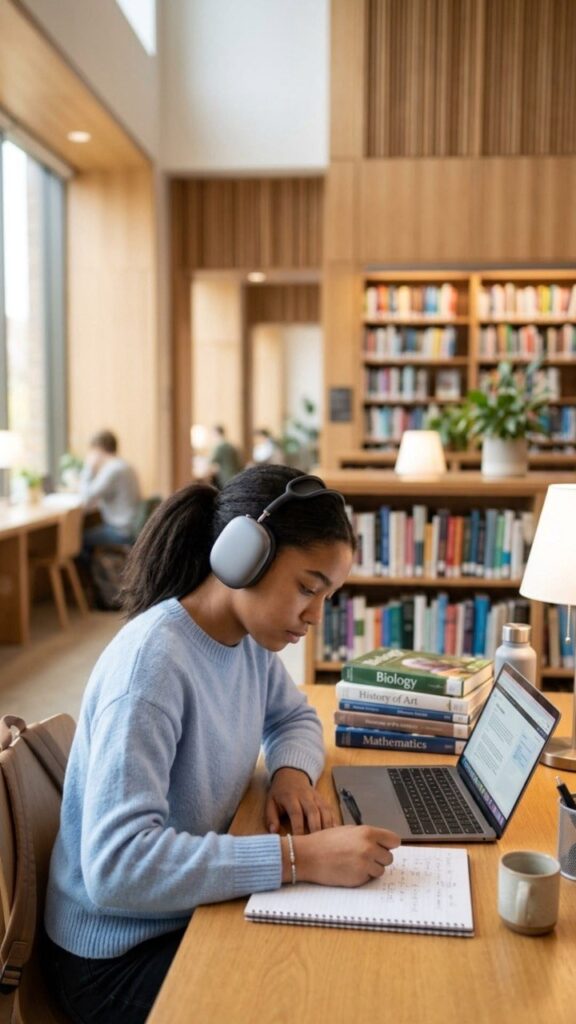
There are countless educational resources available through podcasts, audiobooks, recorded lectures, language-learning apps and online courses.
For example, you could listen to:
- A recorded lecture while reviewing your notes
- An educational podcast while commuting
- An audiobook related to your course
- A language lesson while taking a walk
- A revision recording you made yourself
- A video lecture when you cannot use your phone’s speakers
This can be particularly useful for students who spend a lot of time travelling between school, home and other locations.
Headphones also make audio-based learning more practical in shared spaces, where playing educational content through speakers could disturb other people.
However, listening alone should not replace active studying.
If you are preparing for an exam, listening to a two-hour lecture passively may not be as useful as stopping periodically to take notes, answer questions or explain what you have learned.
3. They Can Help Create a Concentration Routine
Sometimes the biggest benefit of headphones is not the audio itself, it is the routine they create.
Putting on your headphones can become a simple signal that tells your brain: it is time to focus.
For example, you might develop a routine where you:
- Put your phone on Do Not Disturb.
- Put on your headphones.
- Start a familiar study playlist or neutral background sound.
- Set a study timer.
- Begin your work.
After doing this repeatedly, the routine can make it easier to transition into a focused study session.
Research on noise and studying also suggests that the effects of sound are not identical for every person or every task. Some students may find certain sounds distracting, while others may prefer consistent background audio.
So don’t assume that because someone studies with music, you should too.
Find the sound environment that helps you stay focused.
For some people, that means complete silence.
For others, it could be instrumental music, white noise, brown noise or low-volume ambient sounds.
4. You Can Study Almost Anywhere
Another major advantage is flexibility.
With a laptop or phone and a pair of headphones, you can turn many places into temporary study spaces.
You could study at:
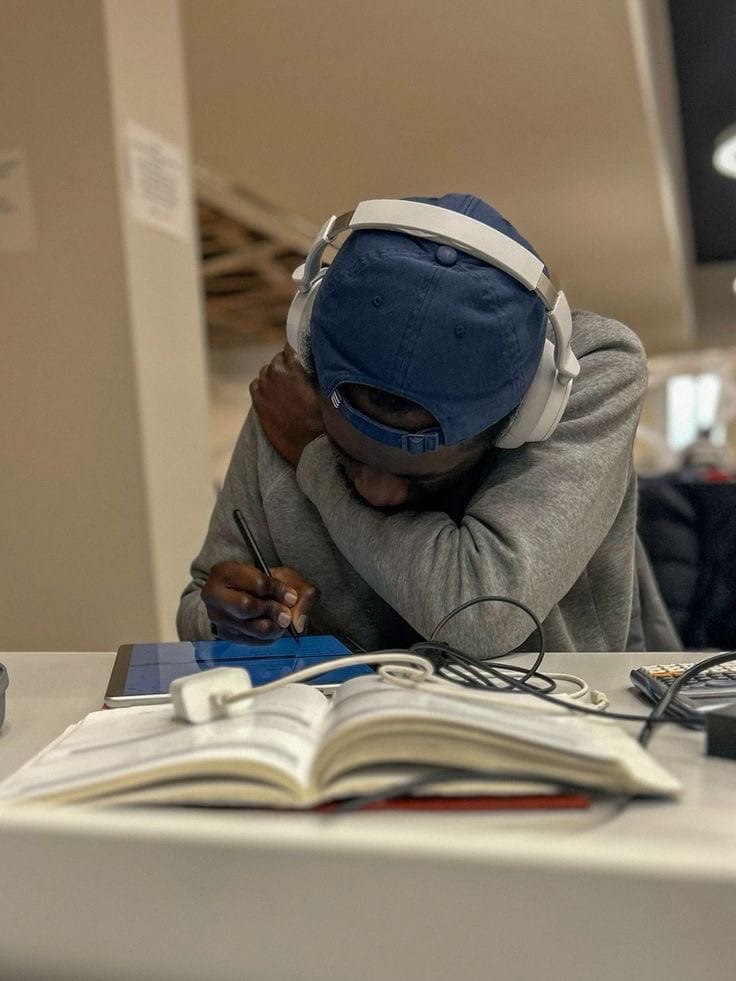
- A library
- A café
- An airport
- A hostel
- A shared apartment
- A campus common area
- A quiet outdoor space
- While travelling
Of course, your environment still matters. Headphones cannot magically transform a chaotic or unsafe location into the perfect study room.
But they can make an imperfect environment much more manageable.
This is particularly useful for students who do not always have access to a private room or quiet workspace.
Instead of waiting for the perfect environment to appear, headphones can help you make the best of the space available to you.
5. They Make Online Classes and Study Calls Easier
Headphones are also useful beyond individual studying.
If you regularly attend virtual classes, group discussions, tutoring sessions or study calls, headphones can make communication much easier.
They can help you hear your lecturer or classmates more clearly while reducing the chance of disturbing people around you.
Many modern headphones and earbuds also include built-in microphones, making them useful for online meetings and group projects.
This can be particularly helpful if you live with roommates or family members and need to participate in a class without turning your surroundings into part of the lecture.
Some headphones also offer features such as microphone noise reduction, which can make your voice clearer during calls.
But Don’t Make Your Headphones Another Distraction
There is one important catch.
Headphones can improve your study environment, but they can also become a distraction.
If you spend 20 minutes choosing songs, changing playlists, checking notifications or watching YouTube videos instead of studying, the headphones have defeated their purpose.
The same applies to music.
If you find yourself singing along to every song or constantly skipping tracks, try something less distracting, or study in silence.
It is also worth remembering that headphones do not automatically improve academic performance. In one study examining students performing simulated exam-related tasks, different background sound conditions did not significantly reduce performance on every task, although students reported feeling more disturbed by some sound environments.
In other words, headphones are a tool, not a substitute for effective study habits.
How to Use Headphones More Effectively While Studying
If you want to make headphones part of your study routine, keep things simple.
Choose the right type of audio
Try different options and see what works for you:
- Silence or noise cancellation
- Instrumental music
- Ambient sounds
- White or brown noise
- Educational podcasts
- Recorded lectures
If lyrics make you want to sing along, instrumental music may be a better option.
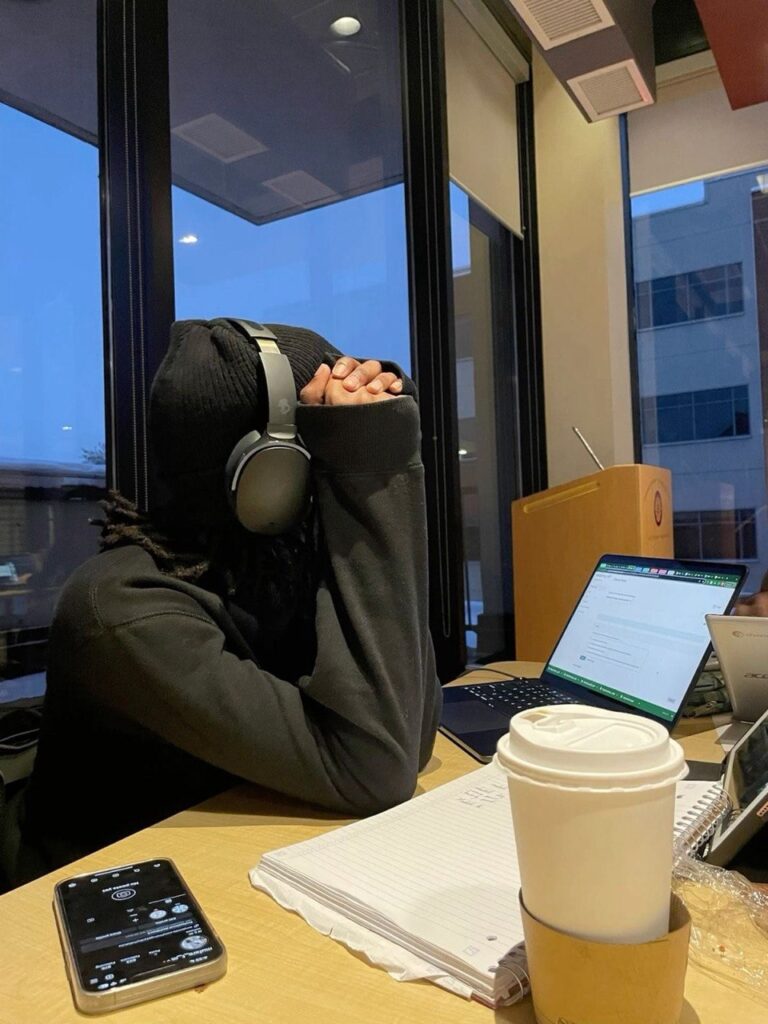
Keep the volume reasonable
Louder is not better.
Listening to headphones at high volumes for extended periods can expose your ears to excessive sound. Keep the volume at a comfortable level and take regular breaks, particularly during long study sessions.
Use Do Not Disturb
There is little point in blocking out the people around you if your phone keeps interrupting you.
Turn on Do Not Disturb, Focus Mode or another notification-blocking feature before you start.
Take breaks
Headphones should not mean wearing them continuously for hours without a break.
Give your ears and your mind some time away from the audio, especially during long study sessions.
Match the headphones to your environment
If you mostly study in quiet rooms, you may not need expensive noise-cancelling headphones.
If you regularly study in noisy environments, noise isolation or active noise cancellation could be more valuable.
The best headphones for studying are not necessarily the most expensive ones. They are the ones that fit your environment, your study habits and your budget.
The Bottom Line
A good pair of headphones can make studying more convenient and comfortable. They can reduce unwanted distractions, give you access to educational content, make online classes easier and allow you to study in more places.
But the headphones themselves are not what makes the study session productive.
Your environment, study method, concentration, consistency and willingness to actually do the work still matter most.
Think of headphones as a supporting tool, not a shortcut.
As the saying goes: the right headphones can help create a better study environment, but they should support your study habits — not replace them.