

Kano State is set to install about 13,200 computers across 44 Local Government Areas (LGAs) as part of a ₦27.8 billion project to expand access to ICT and Computer-Based Test (CBT) centres across the state.
The Kano State Government has awarded contracts worth ₦27.8 billion for the construction of ICT and CBT centres in all 44 LGAs, in a major push to bring digital examination infrastructure closer to students across the state.
The project comes as Nigeria moves toward the Federal Government’s target of making examinations fully computer-based by 2027. Education Minister Dr. Tunji Alausa announced the 2027 target in January 2025, saying the transition would also help address examination malpractice and improve the quality and standardisation of examinations.
Kano to Build CBT Centres Across All 44 LGAs
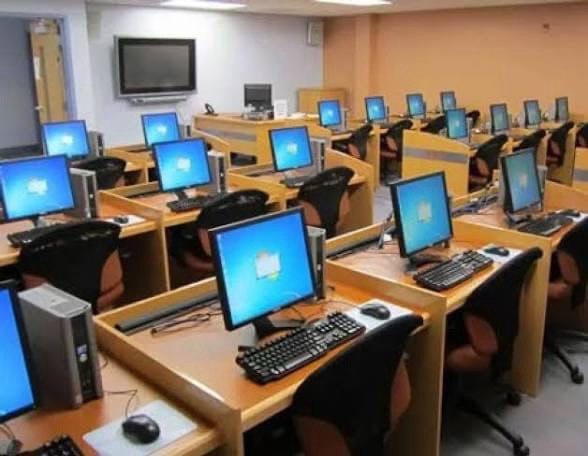
According to reports from Kano, each of the planned centres will be equipped with approximately 300 computers.
With 44 LGAs covered, that works out to around 13,200 computers across the state.
The centres are also expected to have high-capacity internet infrastructure and backup power systems combining electricity from the national grid, solar power and standby generators.
This is particularly important for CBT examinations, where unreliable electricity and internet connectivity can disrupt an examination session.
The Kano State Government is reportedly targeting a completion period of 16 to 18 weeks for the project.
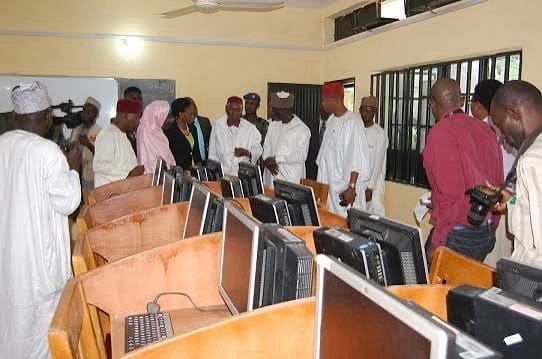
The plan is not entirely new. In June 2026, reports indicated that the state was preparing to establish ICT/CBT centres across all 44 LGAs to address the challenges students in rural communities face when travelling to access computer-based examinations.
The latest contract award moves that plan further toward implementation.
Six Companies to Handle the Project
Six companies have been named as contractors for the Kano ICT and CBT project.
They are:
- Odaleg Properties and Constructions Limited
- Aytaam Construction Limited
- Trusted Development
- Kodak Prime
- Vind R&D Partnership Limited
- Cornerstone Construction & Engineering Limited
Vind R&D Partnership Limited will also act as the project consultant, with responsibility for supervision and quality assurance.
The state government says inspection teams from the relevant local government areas and the ministry will also monitor the construction work to ensure that the centres meet the required standards.
What Will the 13,200 Computers Be Used For?
The project is designed to serve more than one purpose.
Beyond examinations, the centres are expected to become local digital infrastructure hubs where young people can access technology training and digital learning resources.
They could also support computer-based examinations organised by major examination bodies, including the Joint Admissions and Matriculation Board (JAMB), West African Examinations Council (WAEC) and National Examinations Council (NECO).
Also Read: WAEC 2026 CBT Results Under Fire as Alex Onyia Alleges Major Glitch
This could be particularly significant for students living outside Kano metropolis.
Instead of travelling long distances to find an approved CBT centre, candidates could potentially have access to examination facilities much closer to their communities.
The centres are also expected to support e-examinations and technology skills development, giving the project a broader role beyond simply providing computers for examinations.
Why the 2027 CBT Deadline Matters
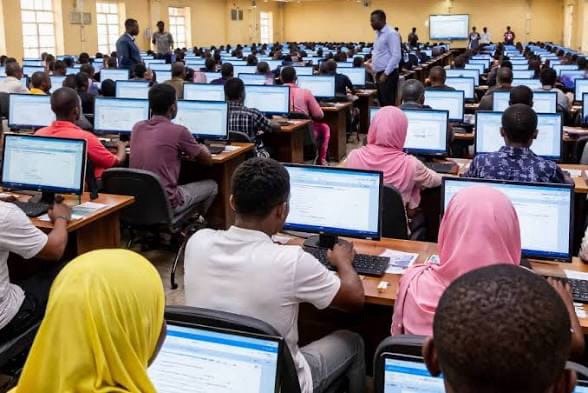
Kano’s investment comes at a time when Nigeria’s examination system is undergoing a major digital transition.
In January 2025, Education Minister Tunji Alausa announced that the Federal Government was targeting 100% computer-based examinations by 2027.
The government said the transition would help tackle problems such as examination malpractice, question-paper leakages and candidate swapping, where another person attempts an examination on behalf of a registered candidate.
The Federal Ministry of Education has continued to push digital examinations as part of wider efforts to improve examination integrity. In May 2026, the ministry said computer-based examinations could enable real-time monitoring of candidates and faster detection of irregularities.
However, moving millions of Nigerian students from paper-based examinations to computer-based testing requires more than simply changing examination software.
There must also be enough computers, reliable electricity, stable internet connections and properly equipped examination centres.
That is where projects such as Kano’s become important.
Kano’s Project Could Help Close the Digital Access Gap
One of the biggest challenges with Nigeria’s CBT transition is unequal access to digital infrastructure.
Students in major cities may already have access to computer centres, schools with ICT facilities and reliable internet connections. The situation can be different for students in smaller towns and rural communities.
Kano’s decision to establish centres across all 44 LGAs could help reduce that gap.
If the facilities are completed and properly maintained, students could gain easier access to computers for examination preparation, digital learning and actual examinations.
The infrastructure could also benefit young people who want to develop basic computer skills or learn technology-related skills without having to travel to major urban centres.
This makes the project more than an examination initiative. It could become part of Kano’s broader digital inclusion strategy.
The Bigger Challenge: Keeping the Centres Functional
Building 44 centres is only the first step.
For the project to deliver its full value, the facilities will need consistent maintenance after construction.
Computers require regular servicing and eventual replacement. Internet infrastructure needs to remain reliable, while solar systems and generators also require maintenance.
There is also the question of staffing.
Well-trained technical personnel will be needed to manage the centres, troubleshoot computer and network problems and provide support during examinations.
This will be especially important during high-pressure examinations such as JAMB, WAEC and NECO, when thousands of candidates may depend on the facilities working correctly.
The combination of grid electricity, solar power and generators is therefore a positive step, but the long-term success of the project will ultimately depend on how effectively the infrastructure is maintained.
Kano Has Been Increasing Its ICT Investment
The new ₦27.8 billion ICT and CBT project is part of a wider pattern of technology and infrastructure investment in Kano.
The state’s previous budget documents have included funding for ICT infrastructure and the establishment of CBT/computer training centres. Its 2025 approved budget, for example, included provision for the establishment of five CBT/computer training centres.
The latest project significantly expands that approach by targeting all 44 LGAs.
It also comes alongside other large infrastructure projects approved by the state government in 2026, including investments in water infrastructure and roads.
What This Means for Nigerian Students
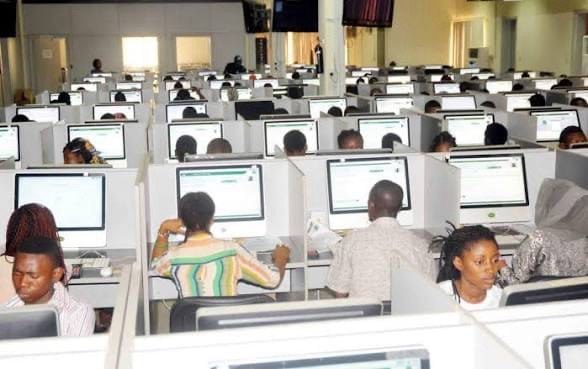
For students, the biggest potential benefit is access.
As more examinations become computer-based, having a computer and a reliable place to take an examination is becoming increasingly important.
A candidate who lives far away from a major city should not have to travel several hours simply because there is no suitable CBT centre nearby.
Read Also: Telemedicine in Nigeria: Everything You Need to Know About Virtual Healthcare
By placing centres across all 44 LGAs, Kano is attempting to bring the infrastructure closer to the people who need it.
The project could also give students more opportunities to become comfortable with computers before sitting major examinations.
That matters because CBT is not only about knowing the examination subjects. Candidates must also be comfortable navigating a computer interface, reading questions on-screen, selecting answers and managing their time digitally.
Kano’s 13,200-Computer Project Is Bigger Than CBT
Kano’s planned installation of 13,200 computers comes at an important point in Nigeria’s digital transformation.
The country’s move toward fully computer-based examinations means states will increasingly need to invest in the physical infrastructure required to support that transition.
Kano’s ₦27.8 billion project could provide a model for how states can expand digital examination access beyond major cities and into local communities.
The real test, however, will come after construction.
If the centres are completed on schedule, properly equipped, connected to reliable power and internet services, and maintained over the long term, they could become valuable digital hubs for students and young people across Kano.
With the Federal Government targeting full CBT adoption by 2027, projects like this may become increasingly important as Nigeria prepares for a more digitally driven examination system.
For more Nigerian technology and digital infrastructure stories, follow TechDinge for the latest updates.