

Healthcare is one of the most essential services people rely on, yet millions of Nigerians still face significant barriers to accessing quality medical care. For many, seeing a doctor means traveling long distances, spending hours in crowded hospitals, or waiting days for an appointment with a specialist. In rural communities, where healthcare facilities and medical professionals are scarce, these challenges are even more pronounced.
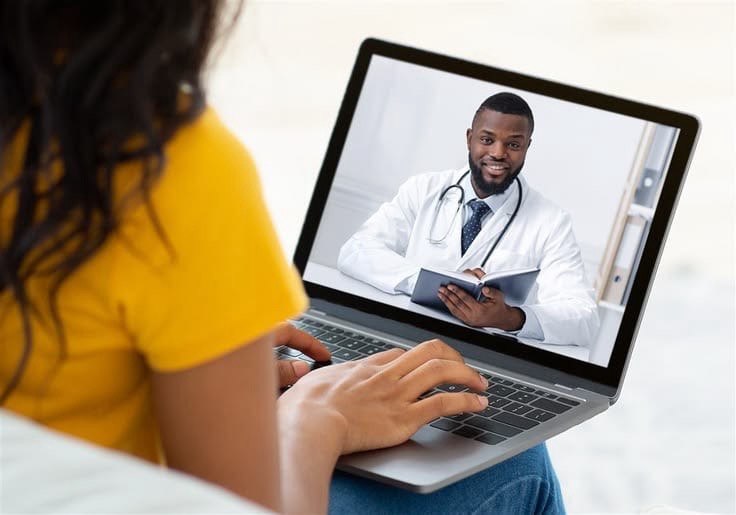
Fortunately, technology is beginning to change that. Telemedicine, the delivery of healthcare services through digital communication technologies, is making it possible for Nigerians to consult licensed doctors, receive medical advice, obtain prescriptions, and manage certain health conditions without leaving their homes.
While the concept gained widespread attention during the COVID-19 pandemic, telemedicine in Nigeria has continued to evolve beyond emergency response. Today, hospitals, health-tech startups, insurance providers, and government agencies are increasingly embracing virtual healthcare as a practical way to improve access to medical services, particularly for underserved populations. Better internet connectivity, growing smartphone adoption, and increased investment in digital health are also driving its expansion.
However, telemedicine is not a replacement for traditional healthcare. Some medical conditions still require physical examinations, laboratory tests, imaging, or emergency treatment that can only be provided in person. Understanding when virtual care is appropriate, and when it is not, is essential for patients and healthcare providers alike.
In this guide, you’ll learn what telemedicine is, how it works in Nigeria, its benefits and limitations, the legal and regulatory landscape, the leading telemedicine platforms available today, and what the future holds for virtual healthcare in the country.
What Is Telemedicine?
Telemedicine is the use of digital technologies to provide healthcare services remotely. Instead of visiting a hospital or clinic for every medical concern, patients can consult qualified healthcare professionals using smartphones, computers, tablets, or even regular phone calls, depending on the available technology.
Although people often use the terms telemedicine and telehealth interchangeably, they are not exactly the same. Telemedicine specifically refers to remote clinical services, such as diagnosis, treatment, follow-up consultations, and medical advice provided by licensed healthcare professionals. Telehealth is a broader concept that also includes non-clinical services such as health education, professional training, administrative meetings, and public health awareness campaigns.
In Nigeria, telemedicine is becoming an increasingly important part of healthcare delivery, especially in urban areas where digital health services are expanding rapidly. Patients can now schedule virtual consultations, receive medical recommendations, discuss laboratory results, renew prescriptions for certain medications, and obtain referrals to specialists, all without physically visiting a healthcare facility.
Depending on the healthcare provider, telemedicine consultations may take place through:
- Secure mobile applications
- Video conferencing platforms
- Telephone calls
- Live chat services
- SMS messaging for follow-up care
- Web-based patient portals
Some providers also integrate electronic medical records, digital prescriptions, laboratory bookings, and medication delivery into a single platform, creating a more seamless healthcare experience.
Why Telemedicine Matters in Nigeria
Nigeria has one of Africa’s largest populations, but access to healthcare remains uneven. While major cities such as Lagos, Abuja, and Port Harcourt have relatively better access to hospitals and specialists, many rural and semi-urban communities continue to experience shortages of healthcare facilities and trained medical personnel.
According to the World Health Organization (WHO), the global benchmark is approximately one doctor for every 1,000 people. Nigeria falls well below this recommendation, contributing to overcrowded hospitals, long waiting times, and delayed access to medical care. These shortages are further compounded by the migration of healthcare professionals seeking better opportunities abroad.
Telemedicine cannot solve every challenge facing Nigeria’s healthcare system, but it offers practical solutions to several longstanding problems.
For patients living far from hospitals, virtual consultations can reduce the need for expensive and time-consuming travel. Individuals managing chronic conditions such as hypertension or diabetes can have routine follow-up appointments online instead of making frequent hospital visits. Parents can seek medical advice for minor childhood illnesses without spending hours in waiting rooms, while mental health services become more accessible to people who may otherwise avoid in-person consultations due to stigma or limited local availability.
Telemedicine also helps reduce pressure on healthcare facilities by allowing doctors to manage non-emergency cases remotely. This enables hospitals to dedicate more resources to patients who require physical examinations, surgeries, or emergency treatment.
As internet access improves and digital literacy increases across Nigeria, virtual healthcare is expected to play an even greater role in expanding access to affordable, convenient, and timely medical services.
How Telemedicine Works in Nigeria
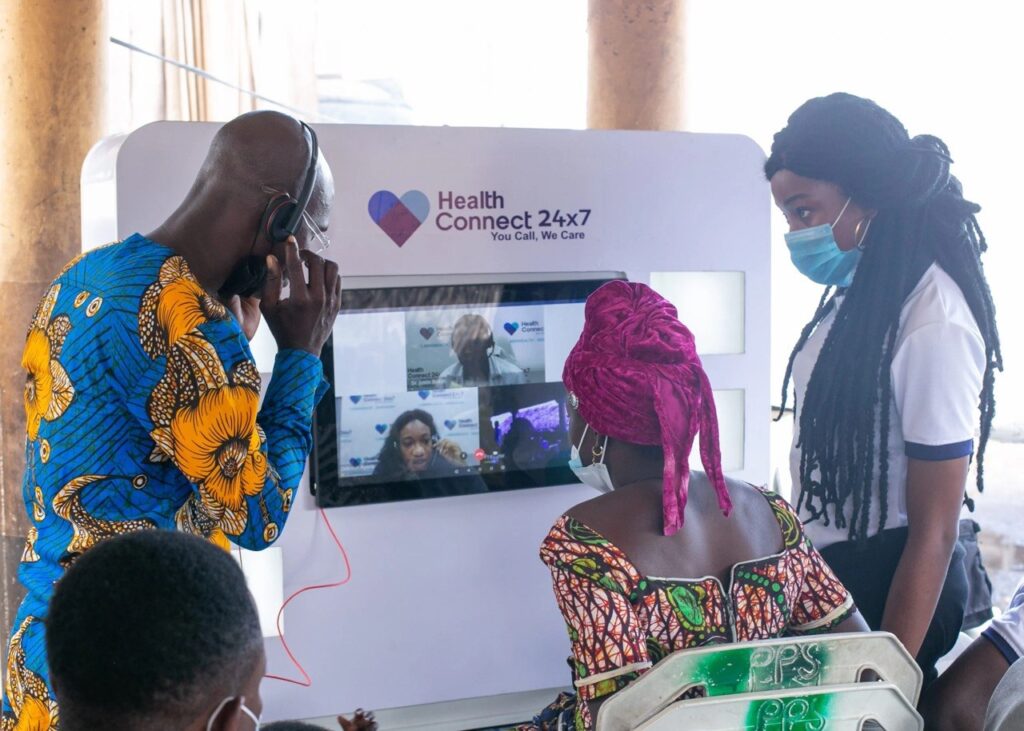
Using a telemedicine service is generally straightforward, although the exact process may vary depending on the healthcare provider.
Most platforms begin by asking users to create an account and provide basic information such as their age, medical history, current symptoms, and contact details. This information helps healthcare professionals prepare for the consultation and maintain accurate patient records.
Patients can then schedule an appointment or request an immediate consultation with a licensed doctor. Depending on the platform, the consultation may take place through a video call, voice call, or secure messaging system.
During the consultation, the doctor discusses the patient’s symptoms, reviews any relevant medical history, and may request additional information such as photographs of visible conditions, previous laboratory results, or vital signs if available.
If the condition can be managed remotely, the healthcare professional may:
- Provide a diagnosis or preliminary assessment.
- Recommend treatment options.
- Issue an electronic prescription where appropriate.
- Request laboratory investigations.
- Refer the patient to a specialist.
- Advise an in-person hospital visit if further examination is necessary.
Many telemedicine platforms also offer follow-up consultations, allowing doctors to monitor patient progress, adjust medications, and answer additional questions without requiring another physical hospital visit.
While telemedicine is highly effective for many routine medical concerns, it is not suitable for medical emergencies such as severe chest pain, major injuries, difficulty breathing, stroke symptoms, or heavy bleeding. In such situations, patients should seek immediate emergency medical care rather than relying on a virtual consultation.
Benefits of Telemedicine in Nigeria
The growing adoption of telemedicine in Nigeria is transforming how people access healthcare. While it cannot replace every hospital visit, it offers practical solutions to many of the challenges patients face daily, from long travel distances to extended waiting times. As more healthcare providers embrace digital technology, telemedicine is becoming a valuable complement to traditional medical care.
Improved Access to Healthcare
One of telemedicine’s biggest advantages is its ability to connect patients with healthcare professionals regardless of their location. In many rural communities, access to doctors, especially specialists, remains limited. Patients often travel for hours, or even across states, just to receive medical attention.
With telemedicine, geographical barriers become less significant. As long as patients have a phone, internet connection, or access to a participating healthcare provider, they can consult licensed medical professionals without making unnecessary trips.
This is particularly beneficial for people living with chronic illnesses, older adults with mobility challenges, and individuals who require regular follow-up consultations.
Reduced Travel and Healthcare Costs
Healthcare expenses extend beyond consultation fees. Transportation, accommodation for long-distance hospital visits, meals, and lost income from taking time off work can significantly increase the overall cost of receiving care.
Virtual consultations help reduce many of these expenses. Patients can speak with doctors from home or work, saving both time and money while still receiving professional medical advice.
Although telemedicine consultations are not always cheaper than physical appointments, the overall cost of accessing healthcare is often lower because patients avoid additional travel-related expenses.
Shorter Waiting Times
Overcrowding remains a major challenge in many Nigerian hospitals. Patients frequently spend several hours waiting to see a doctor, even for relatively minor medical concerns.
Telemedicine helps ease this burden by allowing healthcare professionals to manage non-emergency cases remotely. Many virtual consultation platforms also offer same-day appointments, while some provide 24-hour access to licensed doctors for urgent but non-life-threatening conditions.
Better Management of Chronic Diseases
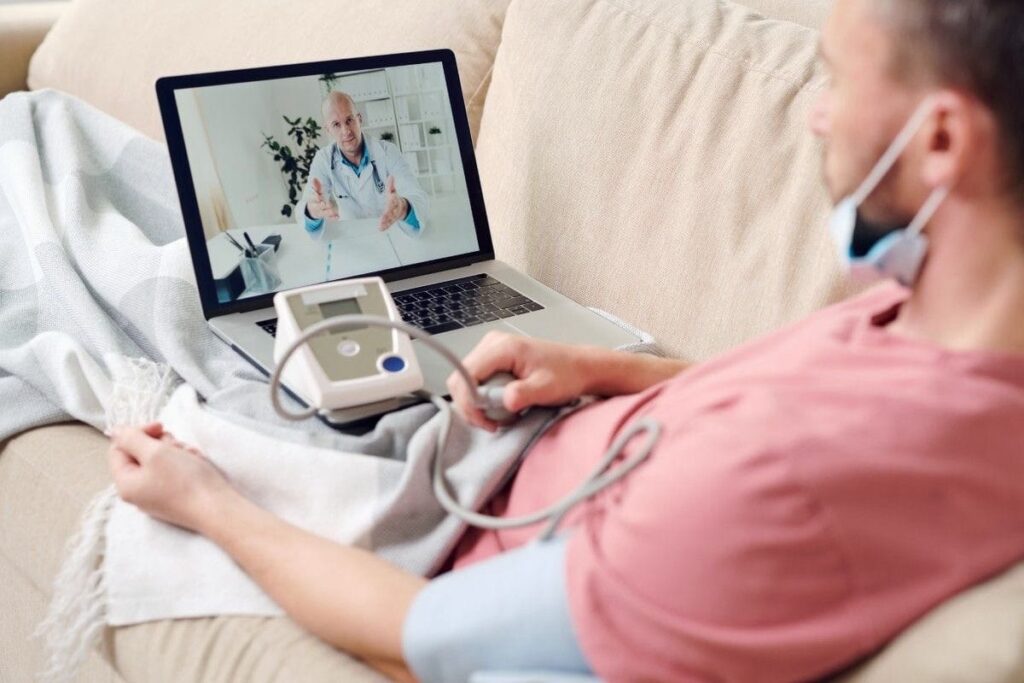
Patients living with conditions such as hypertension, diabetes, asthma, and thyroid disorders often require regular monitoring rather than repeated physical examinations.
Telemedicine makes routine follow-up appointments more convenient. Doctors can review symptoms, monitor treatment progress, adjust medications when necessary, and recommend additional tests without requiring patients to visit a hospital every time.
This encourages better treatment adherence while reducing unnecessary hospital visits.
Improved Access to Mental Healthcare
Mental health services remain underutilized in Nigeria due to limited availability of specialists, high costs, and the stigma surrounding mental illness.
Virtual consultations offer greater privacy and convenience, making it easier for individuals experiencing anxiety, depression, stress-related disorders, or other non-emergency mental health concerns to seek professional support.
For many patients, speaking to a healthcare provider from the comfort of their own home can feel less intimidating than visiting a mental health clinic.
Lower Risk of Infectious Disease Exposure
Hospitals naturally bring together people with different illnesses, increasing the risk of exposure to contagious infections.
Telemedicine reduces unnecessary hospital visits for patients with mild illnesses or routine follow-ups, helping lower the chances of contracting communicable diseases while also reducing pressure on healthcare facilities.
Challenges Limiting Telemedicine in Nigeria
Despite its enormous potential, telemedicine in Nigeria still faces several obstacles that limit widespread adoption. Addressing these challenges will be essential for virtual healthcare to become a routine part of Nigeria’s healthcare system.
Poor Internet Connectivity
Reliable internet access remains one of the biggest barriers to telemedicine, particularly in rural and underserved communities.
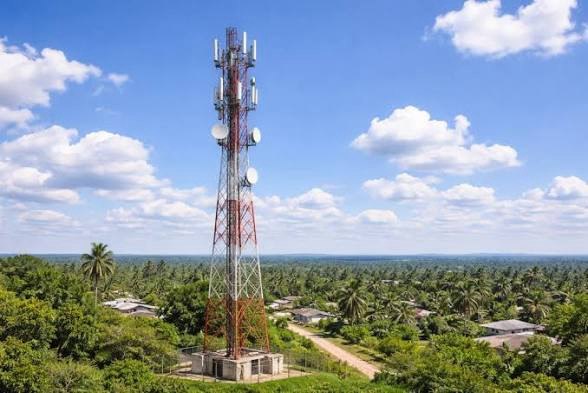
Video consultations require stable internet connections, yet network coverage and broadband quality vary significantly across the country. Poor connectivity can interrupt consultations, reduce communication quality, and affect patient care.
While audio calls and messaging services offer alternatives, they may not always provide enough information for accurate clinical assessments.
Unreliable Electricity Supply
Frequent power outages continue to affect both healthcare providers and patients.
A telemedicine consultation may be interrupted if smartphones, laptops, internet routers, or healthcare facilities lose power. Although many providers rely on generators or backup power systems, unreliable electricity remains a practical challenge for digital healthcare.
Digital Literacy
Not everyone is comfortable using healthcare apps, video conferencing tools, or online booking systems.
Older adults and individuals with limited digital experience may find it difficult to navigate telemedicine platforms without assistance. Improving digital literacy and designing user-friendly applications will be important for expanding adoption across all age groups.
Data Privacy and Cybersecurity
Medical information is among the most sensitive forms of personal data.
Patients need confidence that their health records, prescriptions, consultation history, and personal information are securely stored and protected against unauthorized access.
Healthcare providers must therefore comply with Nigeria’s data protection laws and implement strong cybersecurity measures to safeguard patient information.
Limited Physical Examination
Perhaps the greatest limitation of telemedicine is that doctors cannot perform hands-on physical examinations.
Certain medical conditions require:
- Physical assessment
- Blood tests
- X-rays or scans
- Laboratory investigations
- Surgical procedures
- Emergency treatment
For these situations, telemedicine serves as a first point of contact rather than a complete replacement for in-person healthcare.
Leading Telemedicine Platforms in Nigeria
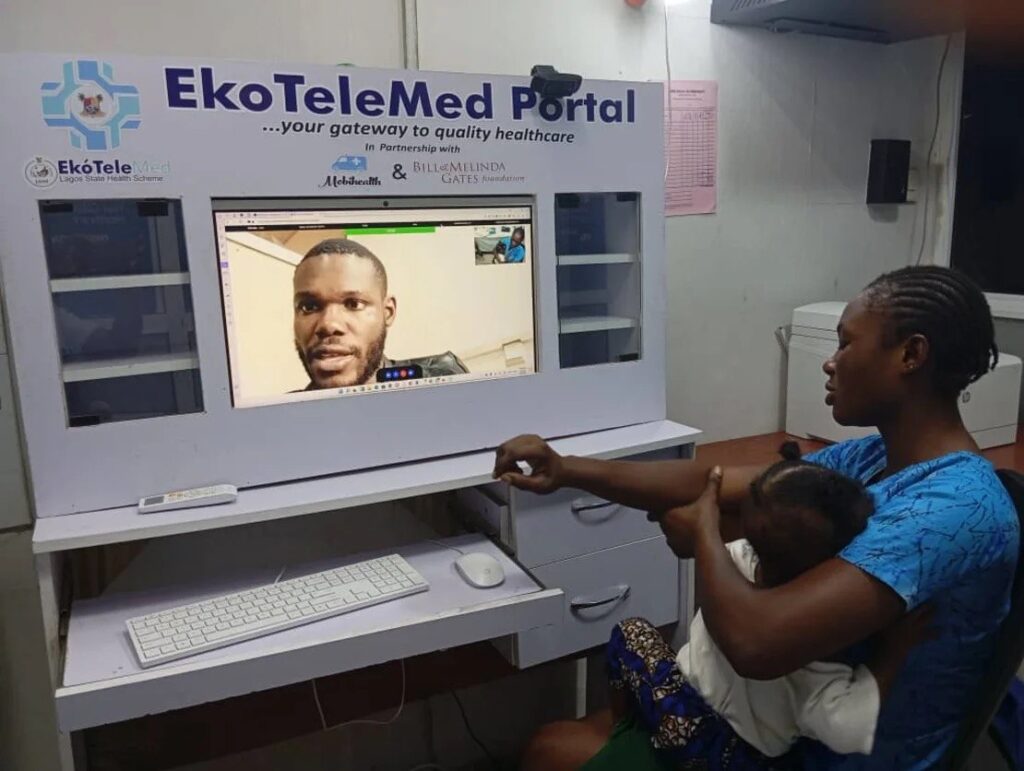
Nigeria’s digital health sector has grown considerably over the past few years, with several organizations offering virtual healthcare services through mobile apps and online platforms. While each provider offers different features, they generally connect patients with licensed healthcare professionals for consultations, prescriptions, referrals, and follow-up care.
Some of the most recognized platforms include:
Mobihealth International
Founded by Nigerian physician Dr. Funmi Adewara, Mobihealth International is one of Africa’s leading telemedicine providers. The platform offers 24/7 virtual consultations, electronic prescriptions, laboratory services, pharmacy support, and access to thousands of medical professionals across multiple countries. It also works with governments, healthcare organizations, and corporate clients to expand digital healthcare access.
Reliance Health
Originally known for its digital health insurance services, Reliance Health also provides telemedicine through its mobile platform. Users can consult licensed doctors via chat or phone, receive electronic prescriptions, arrange medication delivery, and obtain referrals when necessary. Telemedicine is integrated into several of the company’s healthcare plans.
Tremendoc
Tremendoc is a Nigerian digital healthcare platform that enables patients to consult doctors remotely using smartphones and web-based services. During and after the COVID-19 pandemic, it became one of several platforms helping maintain access to healthcare through virtual consultations.
Dokilink
Dokilink focuses on connecting patients with licensed healthcare professionals through online consultations, appointment scheduling, and digital healthcare services. Like many modern telemedicine platforms, it aims to improve access to medical care while reducing unnecessary hospital visits.
As the sector continues to grow, new startups and healthcare providers are introducing innovative services such as AI-assisted symptom assessments, electronic medical records, remote patient monitoring, and integrated pharmacy delivery. This growing competition is helping make virtual healthcare more accessible, affordable, and convenient for Nigerians.
Is Telemedicine Legal in Nigeria?
One of the most common questions people ask is whether telemedicine in Nigeria is legal. The short answer is yes—but with important conditions.
Nigeria does not currently have a single law dedicated exclusively to telemedicine. Instead, virtual healthcare is governed through a combination of existing medical regulations, professional ethics, data protection laws, and digital health policies. This means healthcare providers offering telemedicine services must comply with the same professional standards that apply to traditional, face-to-face medical practice.
The Medical and Dental Council of Nigeria (MDCN) regulates the practice of medicine and dentistry in the country. Any doctor providing virtual consultations must be properly licensed and registered with the Council. Patients are encouraged to verify a doctor’s registration before using any telemedicine platform, particularly when using a service for the first time.
Equally important is the protection of patient information. Healthcare providers are expected to handle medical records responsibly and comply with Nigeria’s data protection laws. Personal health information, including consultation records, prescriptions, laboratory results, and payment details, should only be collected, stored, and shared for legitimate healthcare purposes, using appropriate security measures to prevent unauthorized access.
As digital healthcare continues to expand, many experts believe Nigeria will eventually introduce more detailed telemedicine-specific regulations to address areas such as cross-border consultations, reimbursement, artificial intelligence in healthcare, and remote patient monitoring. Until then, telemedicine providers are expected to operate within the country’s existing legal and ethical framework.
Is Telemedicine Safe?
When delivered through licensed healthcare professionals and secure digital platforms, telemedicine is generally considered a safe and effective way to provide many healthcare services.
However, safety depends on both the healthcare provider and the patient.
Patients should always use reputable telemedicine platforms that employ qualified medical professionals rather than relying on informal medical advice shared through social media or messaging groups. A legitimate telemedicine consultation should include proper patient history, clear communication, documentation where necessary, and appropriate referrals if a physical examination is required.
Doctors also have a professional responsibility to recognize the limits of virtual care. If a patient’s symptoms suggest a serious illness that cannot be properly assessed online, the consultation should end with an immediate referral to a hospital or emergency department.
Patients can also improve the quality of virtual consultations by:
- Providing accurate information about their symptoms.
- Sharing their medical history honestly.
- Uploading previous laboratory results or prescriptions when requested.
- Ensuring they have a stable internet or phone connection.
- Following medical advice and attending physical appointments when recommended.
Telemedicine works best when viewed as an extension of healthcare, not a replacement for every hospital visit.
The Current State of Telemedicine in Nigeria (2026 Update)
Virtual healthcare in Nigeria has advanced considerably over the past few years. What began as a practical solution during the COVID-19 pandemic has evolved into a growing part of the country’s digital health ecosystem.
Today, a wide range of organizations, including hospitals, health-tech startups, health insurance providers, pharmacies, and corporate employers, offer telemedicine services. Nigerians can now access general medical consultations, mental health support, specialist referrals, prescription renewals, and follow-up care through mobile apps, websites, and dedicated call centres.
Government agencies are also placing greater emphasis on digital health. In 2026, the Federal Government reaffirmed its commitment to expanding the use of technologies such as telemedicine, electronic health records, and national health information systems to improve healthcare delivery across the country.
At the same time, the Medical and Dental Council of Nigeria continues to modernize aspects of healthcare regulation through digital licensing systems and online professional services, reflecting a broader shift toward technology-driven healthcare administration.
Private investment is also helping to accelerate innovation. Nigerian health-tech companies are increasingly integrating features such as:
- Electronic prescriptions.
- Home sample collection for laboratory tests.
- Medication delivery.
- Digital patient records.
- Appointment scheduling.
- AI-powered symptom assessment tools that support, but do not replace, clinical decision-making.
Despite this progress, access remains uneven. Urban centres continue to benefit the most from telemedicine services, while many rural communities still face challenges related to internet connectivity, electricity, smartphone access, and digital literacy. Closing this gap will require continued investment in telecommunications infrastructure, healthcare facilities, and digital education.
The Future of Telemedicine in Nigeria
The future of telemedicine in Nigeria looks promising as healthcare and technology become increasingly interconnected.
The expansion of broadband internet, improvements in mobile network coverage, and the widespread use of smartphones are creating new opportunities to reach patients who previously had limited access to healthcare. As these technologies become more affordable, virtual healthcare is expected to become a routine part of medical practice rather than an alternative service.
Artificial intelligence is also expected to play a larger supporting role. AI-powered tools can assist healthcare professionals by helping organize patient information, identifying potential health risks, supporting medical imaging analysis, and improving appointment scheduling. However, these technologies are designed to assist doctors, not replace their clinical expertise.
Remote patient monitoring is another area with significant potential. Wearable devices capable of measuring blood pressure, heart rate, blood glucose, oxygen levels, and other health indicators may eventually allow doctors to monitor patients in real time without requiring frequent hospital visits.
Health insurance providers are also expected to integrate telemedicine more deeply into their healthcare plans, making virtual consultations more accessible and affordable for policyholders.
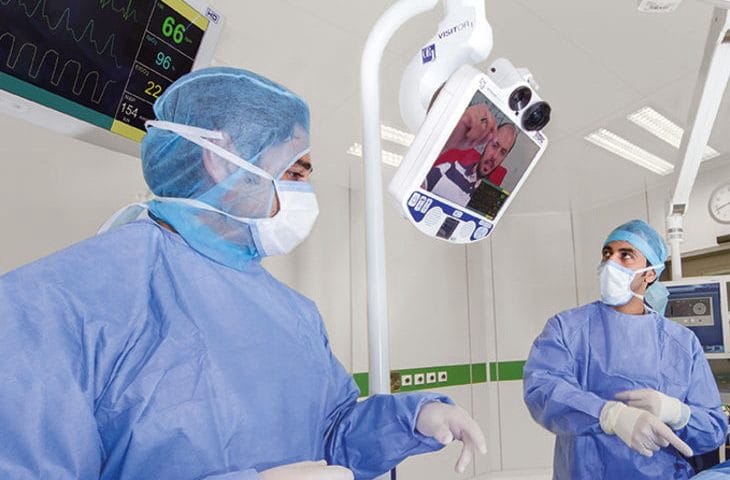
Looking ahead, stronger regulations, continued government investment, improved digital infrastructure, and collaboration between healthcare providers and technology companies will determine how quickly telemedicine reaches its full potential in Nigeria.
One thing is already becoming clear: virtual healthcare is no longer a temporary innovation. It is steadily becoming an essential part of Nigeria’s healthcare future.
Frequently Asked Questions About Telemedicine in Nigeria
Can I consult a doctor online in Nigeria?
Yes. Several licensed healthcare providers and digital health platforms in Nigeria offer online consultations through video calls, phone calls, and secure messaging. Depending on your condition, you can receive medical advice, treatment recommendations, electronic prescriptions, and referrals to specialists without visiting a hospital.
Can doctors prescribe medication through telemedicine?
Yes, licensed doctors can issue electronic prescriptions for many medical conditions after a proper consultation. However, certain medications, particularly controlled drugs, may require an in-person assessment before they can be prescribed.
Is telemedicine suitable for emergencies?
No. Telemedicine is designed for non-emergency healthcare services. If you experience symptoms such as severe chest pain, difficulty breathing, heavy bleeding, seizures, stroke symptoms, or serious injuries, seek immediate emergency medical care at the nearest hospital.
Is my medical information safe during an online consultation?
Reputable telemedicine providers use secure systems to protect patient information and are expected to comply with Nigeria’s data protection laws. Patients should also ensure they use trusted platforms and avoid sharing sensitive medical information through unsecured or unofficial channels.
What medical conditions can be treated through telemedicine?
Telemedicine is suitable for many non-emergency health concerns, including common infections, allergies, skin conditions, mental health consultations, medication reviews, follow-up appointments, chronic disease management, nutritional counselling, and general medical advice. However, conditions requiring physical examinations, laboratory tests, imaging, or surgery will still require hospital visits.
Does health insurance cover telemedicine in Nigeria?
Some Health Maintenance Organizations (HMOs) and private health insurers include telemedicine services as part of their healthcare plans. Coverage varies depending on the provider and the type of plan, so patients should check with their insurer to confirm the services available.
Conclusion
Healthcare is evolving, and telemedicine in Nigeria is becoming an important part of that transformation. By combining medical expertise with digital technology, virtual healthcare is making it easier for millions of Nigerians to consult doctors, receive medical advice, manage chronic conditions, and access healthcare services without the limitations of distance or long hospital queues.
While telemedicine cannot replace every aspect of traditional healthcare, it offers a practical solution for many routine consultations and follow-up appointments. As internet access improves, digital literacy increases, and healthcare technology continues to advance, virtual care is expected to become even more integrated into Nigeria’s healthcare system.
The road ahead is not without challenges. Reliable internet connectivity, stronger regulatory frameworks, improved cybersecurity, and greater public awareness will all play important roles in determining how widely telemedicine is adopted. Even so, the progress made in recent years shows that digital healthcare is no longer just an emerging trend, it is becoming a permanent part of how healthcare is delivered.
For patients, telemedicine offers greater convenience and faster access to medical professionals. For healthcare providers, it creates new opportunities to reach underserved communities and improve continuity of care. And for Nigeria as a whole, it represents a significant step toward a more accessible, efficient, and technology-driven healthcare system.
As innovation continues, telemedicine is poised to complement, not replace—traditional healthcare, helping ensure that quality medical care is within reach for more people, regardless of where they live.
Also Read: INEC’s New Online Voter Registration Portal Crashes Hours After Launch